Storm-Proofing Your Ohio Fence: Materials and Designs Built for Severe Weather
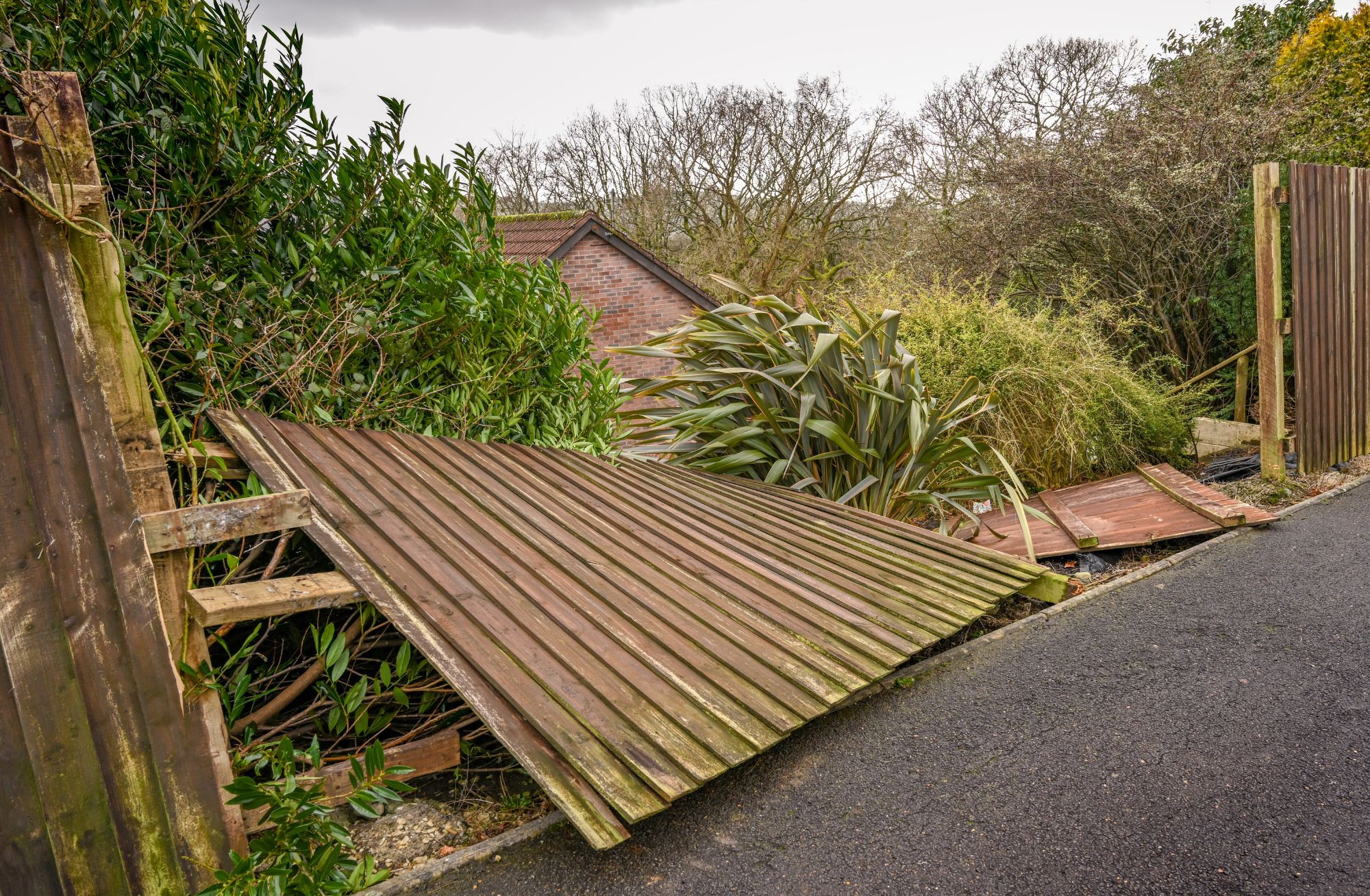
Ohio sees its share of severe storms, from straight-line derechos that flatten trees in minutes to the occasional tornado touching down without much warning. Between spring thunderstorm season and the unpredictable bursts of wind that roll through Central Ohio year-round, a fence spends a lot of its life being tested by weather it never gets a say in. A fence built without that in mind can take devastating damage when the wind picks up, sometimes losing entire sections in a single afternoon.
The good news is that storm-resistant fencing isn't complicated, and you don't need to overhaul your whole yard to get it right. It comes down to a few deliberate choices: picking the right material for how wind actually behaves, designing for airflow instead of fighting it head-on, and setting posts properly for Ohio's clay soil and frost line so the foundation holds even when everything above it is under pressure.
This guide walks through which materials hold up best under real Ohio conditions, what design choices actually make a measurable difference, and how proper installation affects your fence's chances of still being standing after a bad storm rolls through.
Quick Answer
Ohio fences hold up best against severe weather when they combine wind-resistant design with proper installation, not just a sturdy material. Aluminum's open design lets wind pass through, while wood and vinyl depend more on quality installation and post depth to stay standing. Central Ohio's clay soil and frost line make proper post setting especially important for any fence facing high winds.
How Wind Damages Fences
Wind puts steady pressure on a fence, but it's gusts and sustained speed that cause the real damage. Understanding how wind actually breaks a fence helps you pick materials and designs that hold up.
Fastener failure comes first. Screws back out, nails work loose, and boards start pulling away from posts. This is often the first sign a fence isn't built for the wind it's facing.
Full-panel fences catch the most wind. A privacy fence with no gaps acts like a sail, building pressure on one side and pulling on the other. That stress travels down through the rails to the posts, which are what actually have to hold the line. A gust creates leverage at the base of the post, and posts set too shallow or in soil that hasn't cured properly are the most common failure point in a storm.
Gates take a different kind of punishment. They're the one part of the fence designed to move, which also makes them the most likely to catch wind at an angle and get torn off their hinges.
Damage can also build gradually. Fasteners that loosen slightly in one storm rarely tighten back up, and posts that shift a little are weaker heading into the next storm.
Straight-line winds and tornadoes damage fences differently. Derechos push steadily from one direction until something gives. Tornadoes hit from shifting directions, twisting and tearing at fasteners and joints. Both cause serious damage, but a fence built to handle one is usually better prepared for the other too.
Wind Performance by Material
Wood, vinyl, and aluminum each respond to wind differently, and understanding those differences helps you set realistic expectations for your yard. No material is immune to severe weather, but some are better suited to high-wind conditions than others.
Wood fences, especially full-panel cedar, take the brunt of wind directly. The solid surface creates real resistance, so fastener failure and board separation are the most common storm damage. Proper fastener choice and post depth make a noticeable difference in how well a wood fence holds up.
Vinyl performance varies more than people expect. Lower-grade vinyl with thinner walls can crack at the rail joints under wind stress, particularly in cold weather when the material gets more brittle. Higher-grade vinyl systems are built to flex more before they crack, so quality matters as much as the material itself.
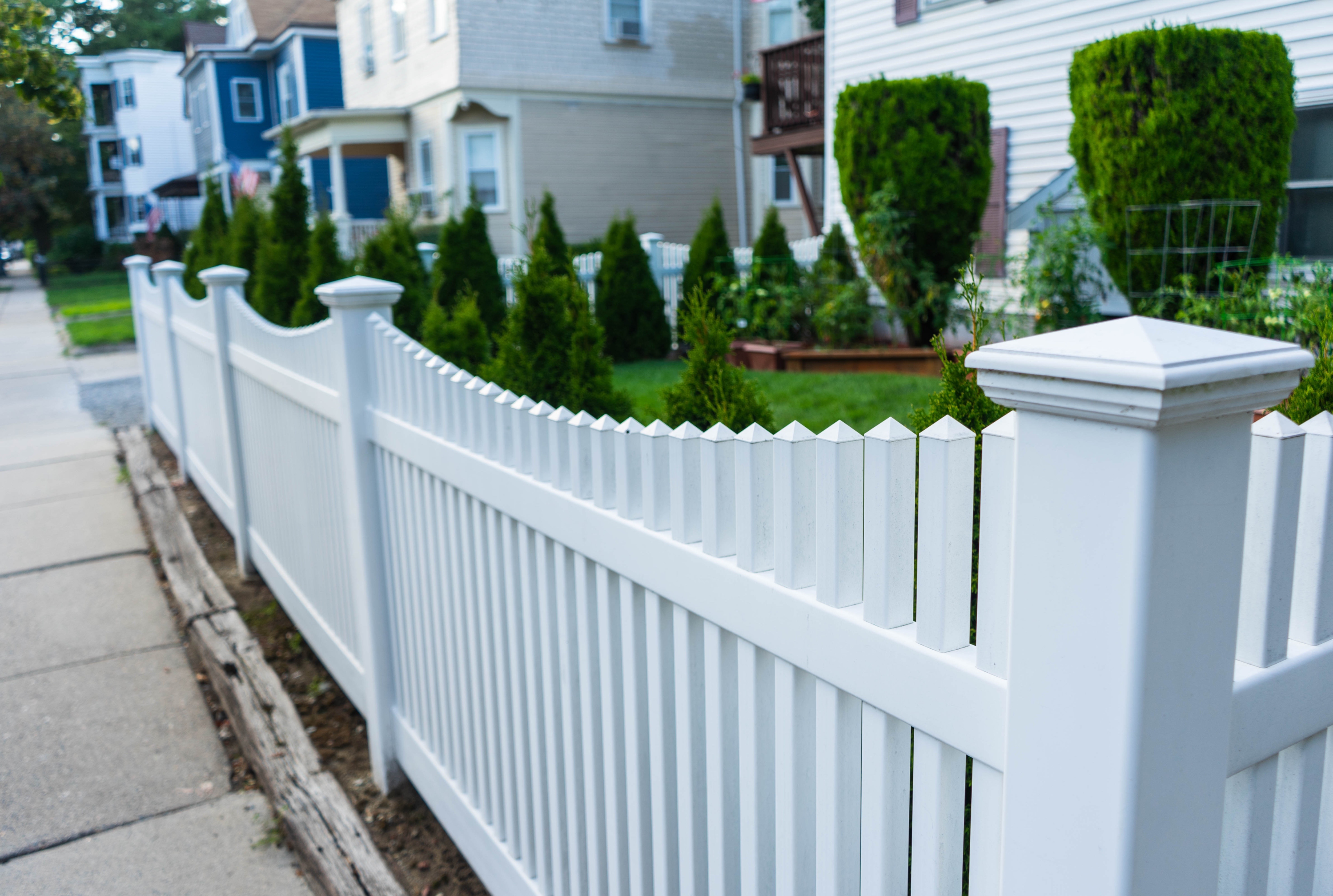
Aluminum fences handle wind differently because of their open picket design. Air passes through the fence instead of pushing against it, which reduces the sail effect that full-panel materials deal with. Aluminum also tends to bend under extreme stress rather than snap, which can make storm damage easier to repair.
| Material |
How It Handles Wind |
Typical Storm Damage |
| Wood (Cedar) |
Full-panel design creates resistance |
Loose fasteners, board separation |
| Vinyl |
Varies by wall thickness and grade |
Cracking at rail joints, worse in cold |
| Aluminum |
Open design lets wind pass through |
Bending, generally repairable |
No material is storm-proof on its own. Design and installation matter just as much as what the fence is made of, which is what the next two sections cover.
Design Choices That Help a Fence Handle Wind
The shape and structure of a fence plays just as big a role as the material it's made from. A few deliberate design choices can meaningfully reduce wind stress on a fence.
These design choices work alongside material selection, not instead of it. A well-designed aluminum fence and a well-designed wood fence will both perform better than a poorly designed version of either.
Installation That Holds Up in a Storm
Even the best material and design won't hold up if the fence isn't installed to handle Ohio's soil and weather. Installation is where a storm-resistant fence either earns that reputation or falls short of it.
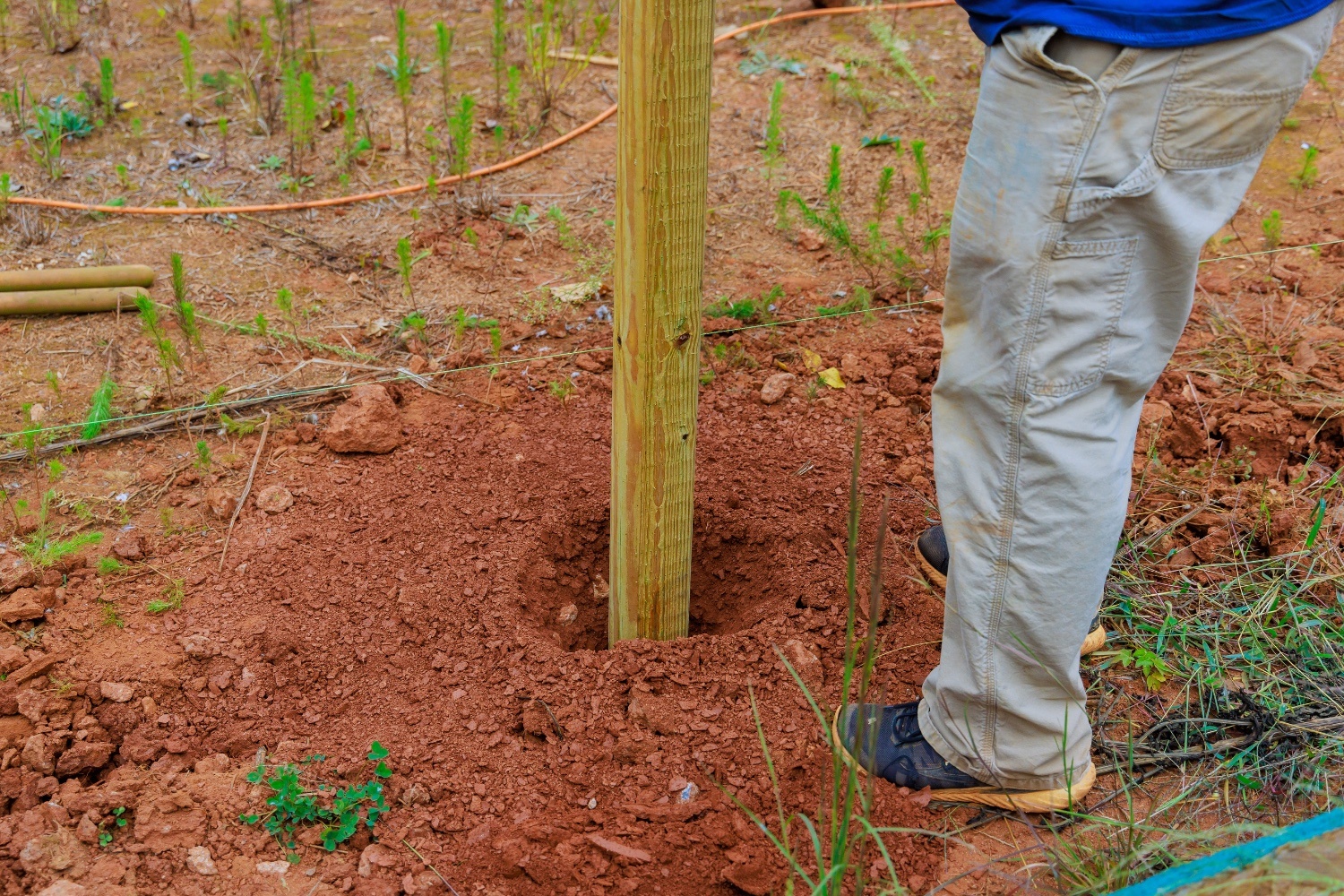
Post depth matters more in Ohio's climate than in milder regions. Central Ohio's frost line and clay-heavy soil mean posts need to go deep enough to stay stable through freeze-thaw cycles, not just deep enough to hold the fence up on a calm day. Fence Boys sets posts to account for both frost depth and added wind load, rather than the minimum depth alone.
Wider holes support extra stability. A hole that's too narrow for the post doesn't leave enough room for concrete to fully surround and anchor it, which can leave a fence more vulnerable when the wind picks up.
Quality hardware plays a role too. Corroded or undersized fasteners are often the first thing to fail in a storm, well before the fence structure itself gives way. Stainless steel or galvanized hardware holds up better over years of Ohio weather.
Corner and end posts deserve special attention during installation, not just design. These posts carry more load than a standard line post, so proper depth and reinforcement at these points can be the difference between a fence that leans and one that stays put.
Storm Risk Varies Across Ohio
Ohio's severe weather doesn't hit every region the same way, and knowing your area's general risk pattern can help you decide how much to prioritize storm-resistant upgrades.
Western Ohio sees more frequent tornado activity than other parts of the state, which is why some homeowners in that region choose sturdier materials and design choices from the start. Areas near Lake Erie can experience fast-moving storms and sudden wind shifts tied to lake effect weather. Central Ohio, including Columbus, deals with a mix of straight-line wind events and occasional tornado activity, while southeastern Ohio's hills can create less predictable wind patterns during a storm.
None of this means every fence in every part of Ohio needs the same approach. It's a reason to think about wind exposure for your specific property, including how open your yard is and which direction storms typically come from, when deciding on material and design.
Storm-Resistant Fencing FAQs
How do I know if my fence is ready for severe weather?
Check for loose fasteners, leaning posts, or boards that have started to separate from the rails. These are usually the first signs a fence isn't holding up well to wind, even before a major storm hits.
Is aluminum really better than wood or vinyl in storms?
Aluminum's open design reduces wind resistance, which can help in high-wind conditions. But wood and vinyl can both perform well when installed properly, so the right choice depends on your priorities for privacy, style, and budget as much as storm performance.
Do I need a taller fence for better privacy even if it's riskier in wind?
Not necessarily. Semi-private designs like shadow box or board-on-board can offer privacy while still allowing some airflow, which is often a better balance than a full-height, full-panel fence in a high-wind area.
Can a damaged fence from a storm usually be repaired instead of replaced?
It depends on the damage and material. Aluminum tends to bend rather than break, which can make repair more realistic. Wood and vinyl damage varies more by the type and extent of the damage, so it's worth having a professional take a look before assuming a full replacement is needed.
Does Fence Boys offer storm-resistant options for existing fences, not just new installs?
Yes. Fence Boys is happy to take a look at an existing fence and talk through whether reinforcement, repairs, or replacement makes the most sense for your situation.
What Fence Boys Recommends for Columbus Homeowners
Honestly, it depends on what your yard is dealing with, and that's a good thing to talk through together. A property that's fairly sheltered by trees, other houses, or a windbreak may have a bit more flexibility to prioritize privacy over wind performance. For a more open yard without much natural wind protection, we'd probably suggest thinking about a semi-private design or aluminum, even if that's not the material you originally had in mind.
If you already have a wood or vinyl fence and aren't ready to replace it, reinforcement can sometimes be a good first step before considering a full rebuild. We're happy to take a look at post depth, hardware, and gate bracing and let you know whether those upgrades might get you much of the benefit without a bigger investment.
Every yard is a little different, so we'd rather walk the property with you than offer a general recommendation without seeing it first.
Building a Fence That's Ready for Ohio Weather
A fence doesn't need to be indestructible to hold up well through Ohio's storms. What it needs is a bit of intention up front: the right material for your yard, a design that works with the wind instead of against it, and installation that accounts for our soil and frost line rather than cutting corners on the parts nobody sees once the fence is standing.
Ohio's weather isn't going anywhere, and neither is the occasional derecho or tornado warning that sends everyone to check their basements. But a fence built with those realities in mind doesn't have to be an afterthought or a rebuild waiting to happen. It can simply be part of how the fence was planned from day one, the same way you'd think about drainage or sun exposure when picking a spot for a fence line.
If your current fence has been through a rough season and shows it, or you're planning a new one and want it built with wind in mind from the start, Fence Boys can walk through your options based on your property, its exposure, and what actually makes sense for your yard rather than a one-size-fits-all recommendation.
Ready for a Fence That Can Handle Ohio Weather?
Fence Boys can help you choose the right material, design, and installation for your yard's exposure.
Get a Free Quote






.jpg)
.jpeg)
.jpg)









.jpeg)