Why Post Depth Matters: The Foundation of a Long-Lasting Fence
Most of your fence is visible. The posts, panels, and rails are all out in the open. But the part that holds everything together is completely underground: the posts.
A lot of fence failures start down there. Posts that aren't deep enough will shift over time, and you probably won't notice until things start leaning a few years later.
In Ohio, we've got a 32-inch frost line and months of freeze-thaw cycles. Posts above that line get pushed upward, little by little, every winter. That's why fence post depth matters more than almost anything else in your project.
This guide covers how deep posts need to be for different fence types. We'll explain why Ohio's climate makes depth so important. You'll also learn how to check the work while it's happening, before everything gets buried.
Quick Answer
The depth of your fence posts determines whether your fence lasts 5 years or 25. In Columbus, posts need to reach at least 32 inches to clear Ohio's frost line and prevent frost heave from pushing them out of the ground. Getting that depth right, along with the correct backfill and concrete cure time, is what separates a fence that holds up from one that starts leaning within a few winters.
The Science Behind Proper Post Depth: In Simple Terms
Think of your fence posts like levers stuck in the ground. Wind pushes against the panels, and all that force transfers straight down to the posts. The deeper they go, the more soil holds them in place.
Taller fences make this even harder on your posts. A 6-foot privacy fence catches significantly more wind than a 4-foot fence, so the posts need to go deeper to handle the extra stress.
When that depth isn't there, the posts start to pivot underground. Each gust loosens the soil a little more. Over time, that rocking motion works the post free, and that's where fence post failure begins.
That's why getting the depth right matters. Proper installation of fence posts accounts for your fence height, soil type, and local weather — and that's what keeps posts locked in place for years instead of slowly working themselves loose.
Ohio's Frost Line and Why It Matters
The frost line is the depth where the ground freezes in winter. For your fence to stay stable, the posts should sit below that line. When they don't, something called frost heave can take over.
Frost heave works like this: moisture in the soil freezes and expands, pushing everything above it upward. Your posts get lifted slightly each winter. The tricky part is they don't settle all the way back down when things thaw. So each year, they end up sitting a little higher than before.
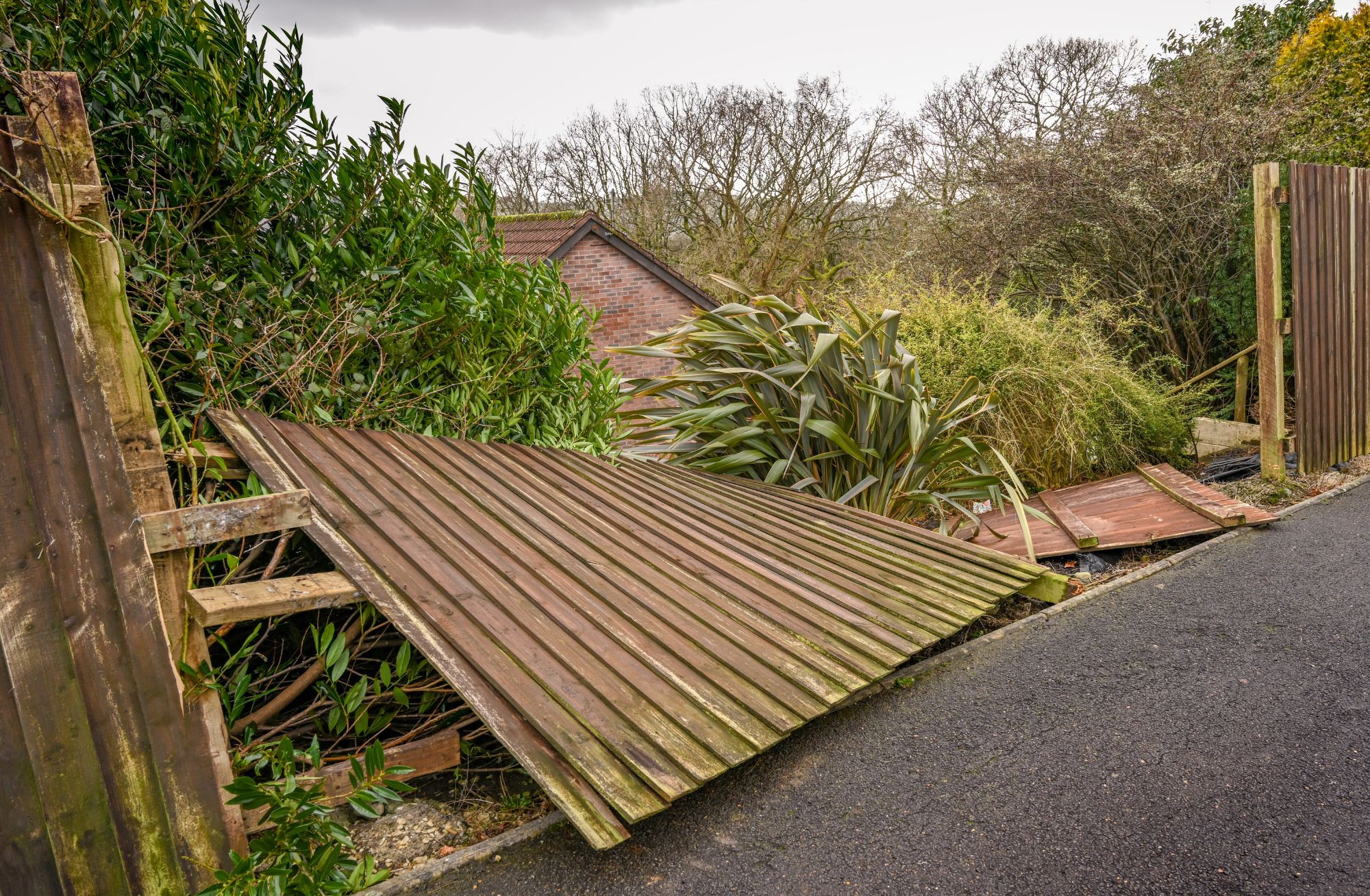
Over a few winters, that small shift builds. You might notice slight leaning first. Then panels start to gap. If it keeps going, connections can crack and gates may stop working properly. What started as a fraction of an inch can turn into a real headache.
That's why post depth for fences is so important in Ohio. Posts that reach below the frost line have a much better chance of staying solid through our winters. It's one of the simplest ways to protect your investment.
| City | Approximate Frost Line |
|---|
| Columbus | Approximately 32 inches |
| Cleveland | Approximately 36 inches |
| Cincinnati | Approximately 30 inches |
| Frost Season | Roughly late October through early May |
It's always a good idea to check with your local municipality for the exact requirement in your area. These numbers come from decades of freeze data.
Post Depth by Fence Type
Fence post depth standards apply whether you're installing wood fencing, vinyl fencing, or decorative metal fencing. Certain situations call for a little extra depth beyond the baseline — like high wind areas, sandy soil, or posts that will carry heavy gates.
Vinyl is lighter than wood, but that doesn't mean it needs shallower posts. A solid vinyl fence panel catches just as much wind as a wood fence panel, so the forces pushing against your posts are about the same regardless of material.
Corner, end, and gate posts face more stress than your line posts because they absorb pulling, movement, and the constant weight of swinging gates. Adding 6 to 12 inches of extra depth on these posts keeps them stable over time, and heavy gates call for even more.
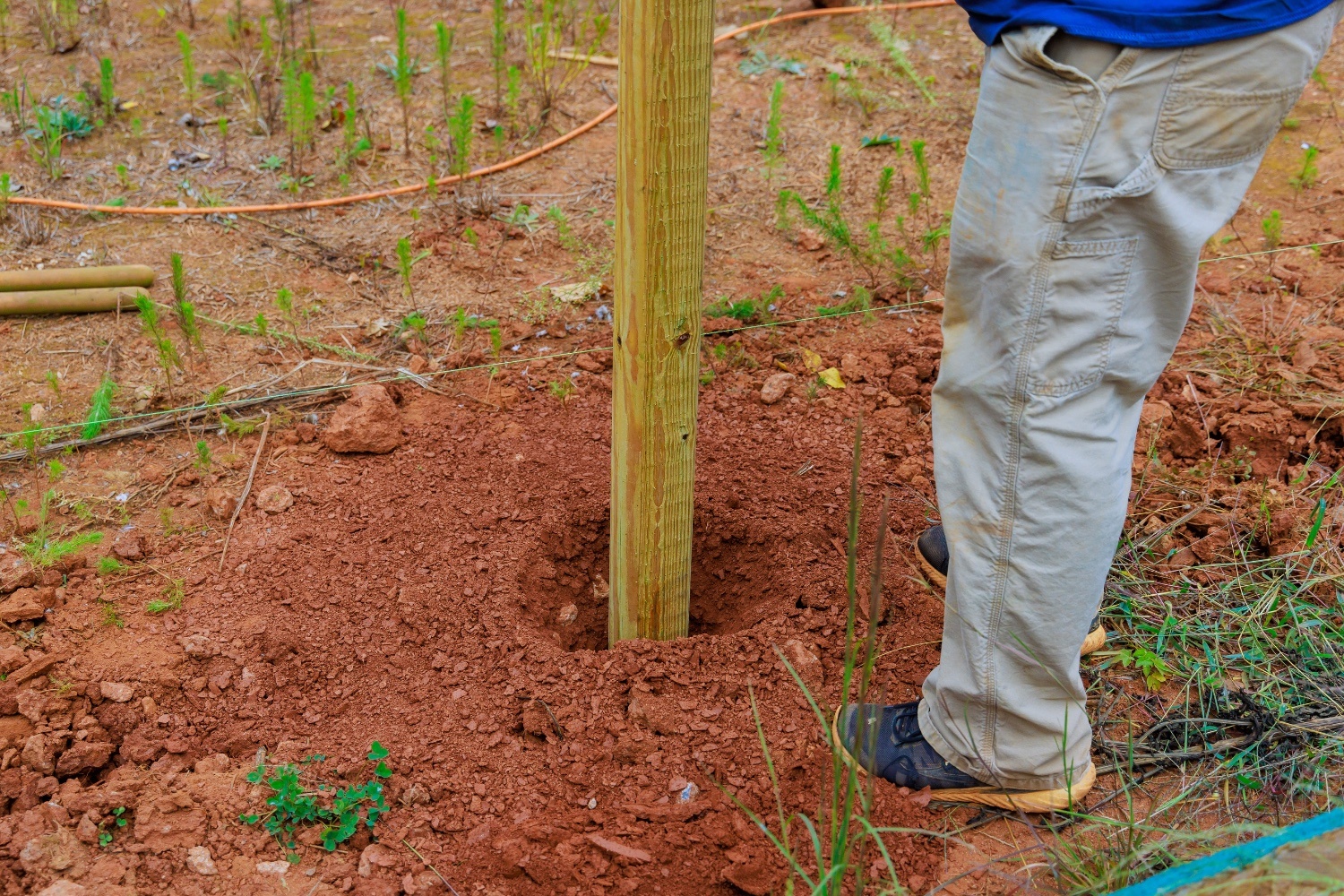
Hole width matters just as much as depth. Leaving about 4 inches of space around the post gives the fence post concrete room to set properly, which is why a 4×4 post typically calls for a 12-inch hole. Ideally, the concrete footer extends below the frost line as well. Even if the post sits at 30 inches, the footer should reach 38.
Soil Considerations and Installation Challenges
Your soil type shapes everything about how fence posts need to be installed. Clay soil, sandy soil, and rocky soil all behave differently underground, and what works well in one yard can cause real problems in another.
Clay soil is what most of Central Ohio deals with. It holds moisture like a sponge, which creates two challenges: posts are more vulnerable to rot, and frost heave gets worse when the ground stays wet. When clay dries out in the summer, it pulls away from the concrete and opens up small gaps right at ground level — which is exactly where posts are most vulnerable to water damage.
For yards with clay soil, we'd recommend avoiding native clay as backfill. A few practices make a real difference:
- Use gravel or sand as backfill instead of the soil you dug out
- Set 6 to 12 inches of crushed stone at the bottom of each hole
- Dig holes about 3 times wider than your post to reduce compaction pressure
- Crown the fence post concrete slightly above grade and slope it away from the post so water drains off
Sandy soil is actually easier on posts in some ways since it drains well and reduces rot risk. The trade-off is that sand doesn't grip posts the way denser soil does, so there's less resistance against sideways movement. Setting fence posts in sandy soil usually means going a bit deeper than you otherwise would — around 36 to 42 inches for a typical 6-foot fence. Backfilling with water rather than tamping also helps. It settles the sand more evenly around the post than compacting by hand.
Rocky soil offers excellent stability once posts are set, but getting there can be a challenge. Most standard equipment isn't built to drill through solid rock, so hitting bedrock before reaching proper depth usually calls for a different approach. Metal anchors, surface-mounted brackets, or drilling directly into the bedrock are all options depending on what you're working with.
Wood posts are worth a special mention here. They almost always show wear first at the transition zone — roughly 6 inches above grade to 12 inches below. That narrow band is where moisture, oxygen, and temperature fluctuations hit the wood all at once, and it's where rot typically starts. The wood deeper in the ground stays relatively protected. The wood higher up dries out between rain events. But that middle zone stays consistently damp, and over time that adds up.
Before we dig a single hole, we take a close look at your soil. Two properties a street apart can have completely different conditions. That's what lets us choose the right depth, backfill, and approach for your specific yard.
The Long-Term Cost of Cutting Corners
Fence installation done right should hold up for decades. When it doesn't, the issue usually isn't the materials or even the weather. It's what happened underground before the first panel ever went up.
Shallow posts don't fail all at once, which is part of what makes them frustrating. The first sign is usually subtle: a slight wobble in a post, a gate that needs a little more effort to latch. Most homeowners chalk it up to normal settling and move on. But underneath the surface, each freeze-thaw cycle is doing a little more work, and the movement compounds over time. By the time you notice a leaning fence section or a sagging fence panel, the problem is rarely limited to one post. Several are likely already compromised.
Two shortcuts drive most of this. Both are easy to miss during installation and easy to regret a few years later:
- Insufficient post depth. Drilling a properly deep hole takes meaningfully longer than stopping short, and deeper holes use more concrete. Multiply that across every post in a typical yard and the difference adds up to real money on the contractor's end. That gap is often exactly where low bids come from.
- Rushing concrete cure time. A proper installation waits 24 to 48 hours before setting panels. That's how long the concrete needs to reach its full strength. Skipping that window saves the contractor time but leaves your posts vulnerable to shifting before everything has set.
Shortcuts taken on installation day tend to show up slowly over the next several years — usually right around the time your warranty has expired.
Fence Post Depth FAQs
How deep should fence posts be set in Ohio?
Most posts need at least 32 inches to get below Ohio's frost line. For standard 6-foot fences, aim for 30 to 32 inches minimum, or up to 36 inches if you've got clay soil or an exposed, windy location. Eight-foot fences or fences with heavy gates need around 42 inches. Corner, end, and gate posts should go 6 to 12 inches deeper than your line posts because they absorb extra stress from pulling and movement.
Can shallow fence posts cause leaning or sagging?
Yes. Shallow posts don't have enough soil resistance to hold against wind loads, so they loosen progressively over time. In Ohio, frost heave lifts them a little more each winter, which compounds the problem. You'll typically notice wobbling in the first few years, visible lean not long after, and structural problems within 5 to 8 years. Posts set to proper depth hold up for 15 to 25 years.
Does soil type affect post depth requirements?
It does. Sandy soil provides very little lateral support, so posts generally need to go deeper than they would in denser ground. Clay soil holds moisture and makes frost heave worse, so it calls for gravel backfill rather than native soil. Rocky soil offers excellent stability once posts are set, though getting there typically requires specialized equipment. A good contractor will assess your soil before pricing the job and adjust their approach accordingly.
How long should properly installed fence posts last?
With correct depth and materials, you're looking at 15 to 25 years or more. Treated wood posts typically last 10 to 15 years, sometimes longer with premium treatments. Steel posts can hold up for 25 to 50 years when installed correctly. Shallow installation tends to cut those lifespans significantly, with most failing well before the 10-year mark.
How much concrete do I need for fence posts?
The amount depends on post size, hole diameter, and depth. A professional installer sizes this for your specific project. What matters most is the mix and the cure time. A standard structural concrete mix needs 24 to 48 hours before panels go on. Bell-bottom holes use slightly more concrete but add meaningful resistance against frost heave in Ohio winters.
Can DIY installers achieve proper post depth?
It's possible, though it's one of the trickier parts of a DIY fence installation. Manual post hole diggers make reaching 30 or more inches quite difficult, which is why many DIY installations end up shallower than they should be. Soil assessment is another factor that's easy to underestimate. Without knowing whether your yard has clay soil that needs gravel backfill or sandy soil that needs extra depth, it's hard to make the right call. These mistakes tend to stay hidden for years, often surfacing well after the project feels finished.
What Fence Boys Recommends for Columbus Homeowners
Columbus sits on clay-heavy glacial soil. That means moisture retention, frost heave risk, and posts that need proper drainage around them — not just depth. For most Central Ohio yards, we recommend gravel backfill over native clay, bell-bottom holes to resist frost heave, and posts set to at least 36 inches to give yourself a margin beyond the 32-inch frost line.
If your yard has visible drainage issues, low spots that stay wet after rain, or a slope that channels water toward the fence line, tell us before we price the job. Those conditions change the approach. The goal is always the same: posts that stay put through Ohio's freeze-thaw cycles for as long as possible.
The Fence Boys Difference
Every yard is different, and we treat it that way. Before we price anything, we take the time to understand your specific property, your soil, and what your fence actually needs to last. Not every contractor takes that step, but we've always believed it matters.
We're also happy for you to check our work as we go. You're welcome to check the hole depth before we pour, confirm the gravel base went in, and verify we're waiting on cure time. A contractor who stands behind their work won't have any problem with that, and neither do we.
Every installation we do is backed by a warranty, because we're confident in how the work gets done. That confidence starts at the bottom of every post hole.
Get a Fence That's Built to Last Through Ohio Winters
Fence Boys sets every post to the right depth for Columbus soil — so your fence stays straight for decades, not just a few years.
Get a Free Quote


.jpg)
.jpeg)
.jpg)









.jpeg)