Fencing
Western Red Cedar vs. Pressure-Treated Pine: Which Wood is Right for Your Fence?
Comparing red cedar fence and pressure-treated pine? Learn the differences in lifespan, maintenance, and long-term value. Get a free quote from Fence Boys.
Comparing red cedar fence and pressure-treated pine? Learn the differences in lifespan, maintenance, and long-term value. Get a free quote from Fence Boys.

Choosing between cedar and pressure-treated pine is one of the most common decisions homeowners face when planning a wood fence. Both materials work well and have been used on thousands of properties, but they behave differently over time, and understanding those differences can save you headaches down the road.
A western red cedar fence and a pressure-treated pine fence look different, age differently, and ask different things from you as a homeowner. Neither one is the "right" answer for everyone. It really comes down to your priorities.
In this guide, we'll walk through how each wood holds up over time, what kind of maintenance to expect, and which situations tend to favor one material over the other. Our goal is to give you the information you need to make a decision that fits your home and your lifestyle.
Cedar is the better long-term investment for Columbus homeowners planning to stay 5+ years — it lasts 20–30 years with maintenance, resists rot naturally, and warps less than the alternative. Pressure-treated pine costs less upfront and suits shorter timelines, but requires more frequent maintenance. Many Columbus installers recommend a hybrid approach: PT pine posts with cedar boards.
One note before we dive in: You may come across "redwood" in your research. Redwood fencing and cedar share similar characteristics, and the terms sometimes get used interchangeably. For this comparison, we're focusing on Western Red Cedar, which is the most widely available premium wood fence option in the Midwest.
Western Red Cedar has earned its reputation as a premium fence material by combining natural beauty with built-in durability. It's long been a favorite among homeowners who want their fence to look great for years without heavy upkeep.
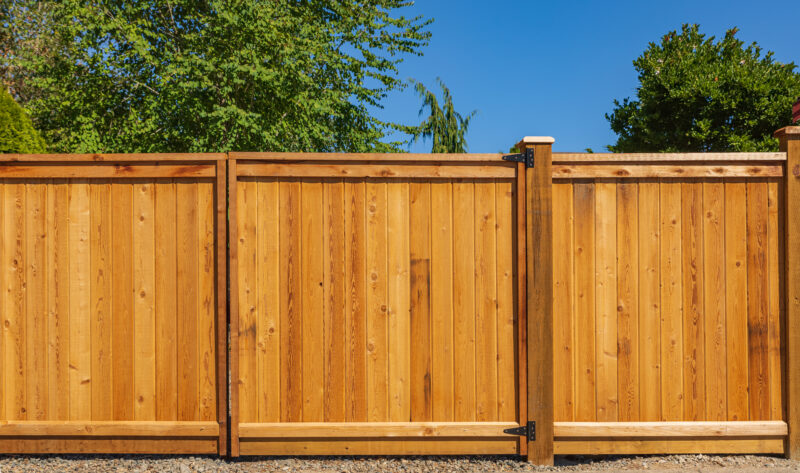
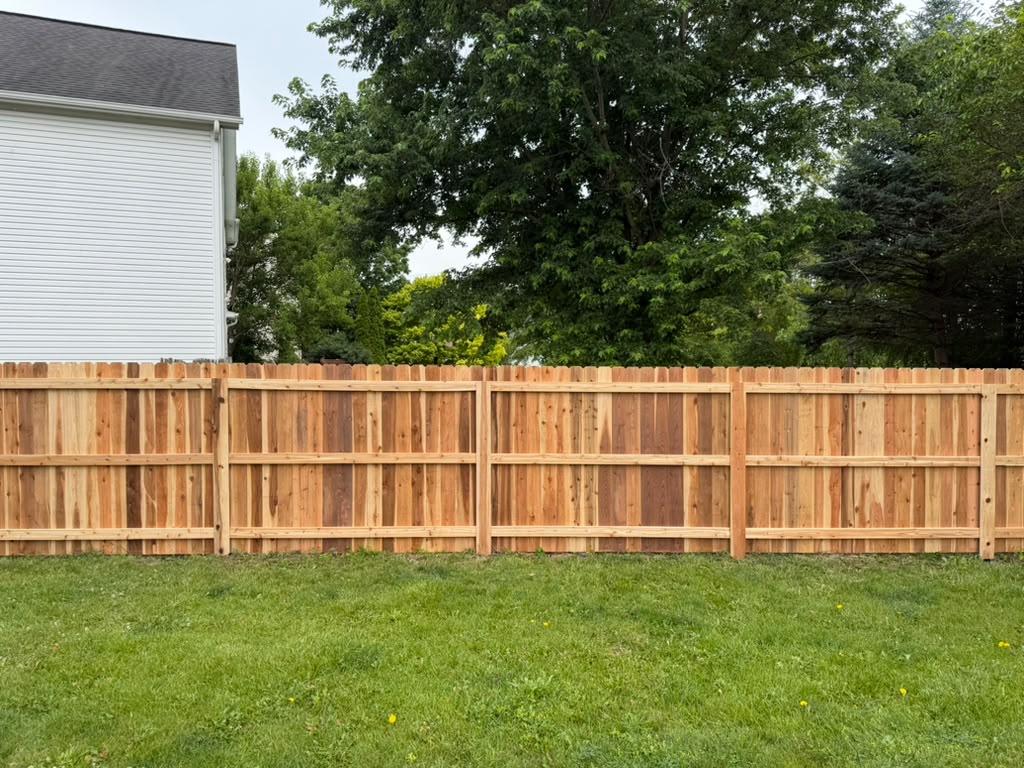
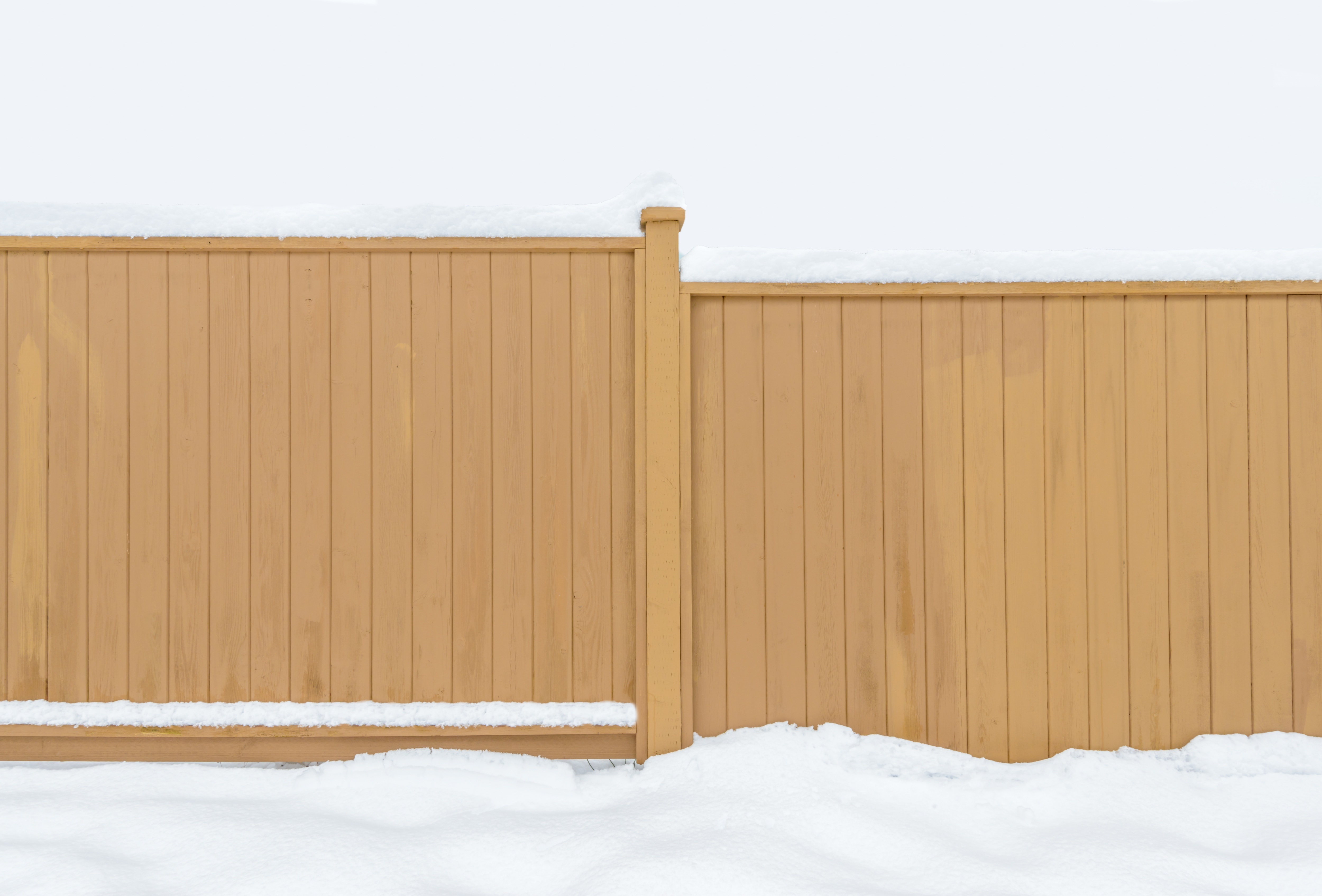
Appearance: A fresh red cedar fence has rich reddish-brown tones, a fine grain, and a smooth texture that feels almost silky. Over time, cedar weathers gracefully to a silver-gray patina that many homeowners actually prefer. If you'd rather keep the original warm color, periodic staining will do the trick. Either way, it ages nicely.
Durability: Cedar is naturally resistant to rot, insects, and moisture thanks to the oils in its heartwood, so no chemical treatment is needed. This natural protection means cedar fences hold up well over time, with lifespans of 10-20+ years without maintenance and 20-30+ years with regular upkeep. We should mention, though, that this applies to the heartwood, which is the darker portion of the board. The lighter sapwood doesn't have the same protection, so look for boards with more of that rich, reddish color when you're selecting material. In Central Ohio's freeze-thaw cycles, cedar's low warping risk is a real advantage.
Cost: Cedar costs more upfront than pressure-treated pine, but the longer lifespan and lower maintenance demands often balance out over time. We'll get into the full cost picture a bit later in this guide.
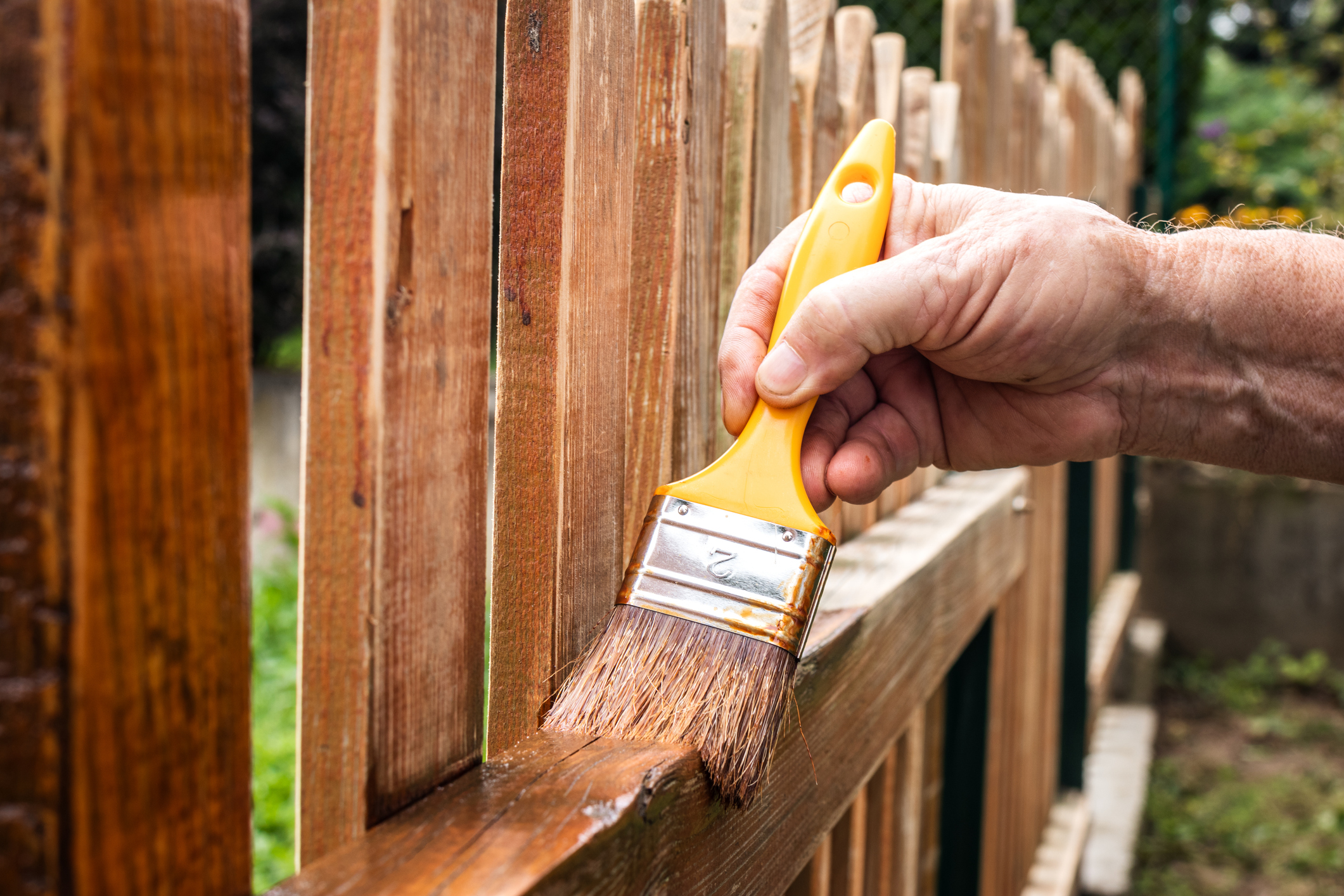
Maintenance: Periodic staining or sealing helps preserve the color and extend the life of your fence. Cedar also has minimal risk of warping or cracking compared to pine, so you'll spend less time dealing with board replacements. It's about as low-maintenance as wood fencing gets.
Best for: Homeowners who plan to stay in their home long-term, value curb appeal, prefer materials without chemical treatments, or simply want a fence they don't have to fuss over constantly.
Pressure-treated pine is the most popular fence material in the country, and for good reason. It's affordable, widely available, and the chemical treatment gives it solid protection against rot and insects. For a lot of homeowners, it's the practical choice that gets the job done.
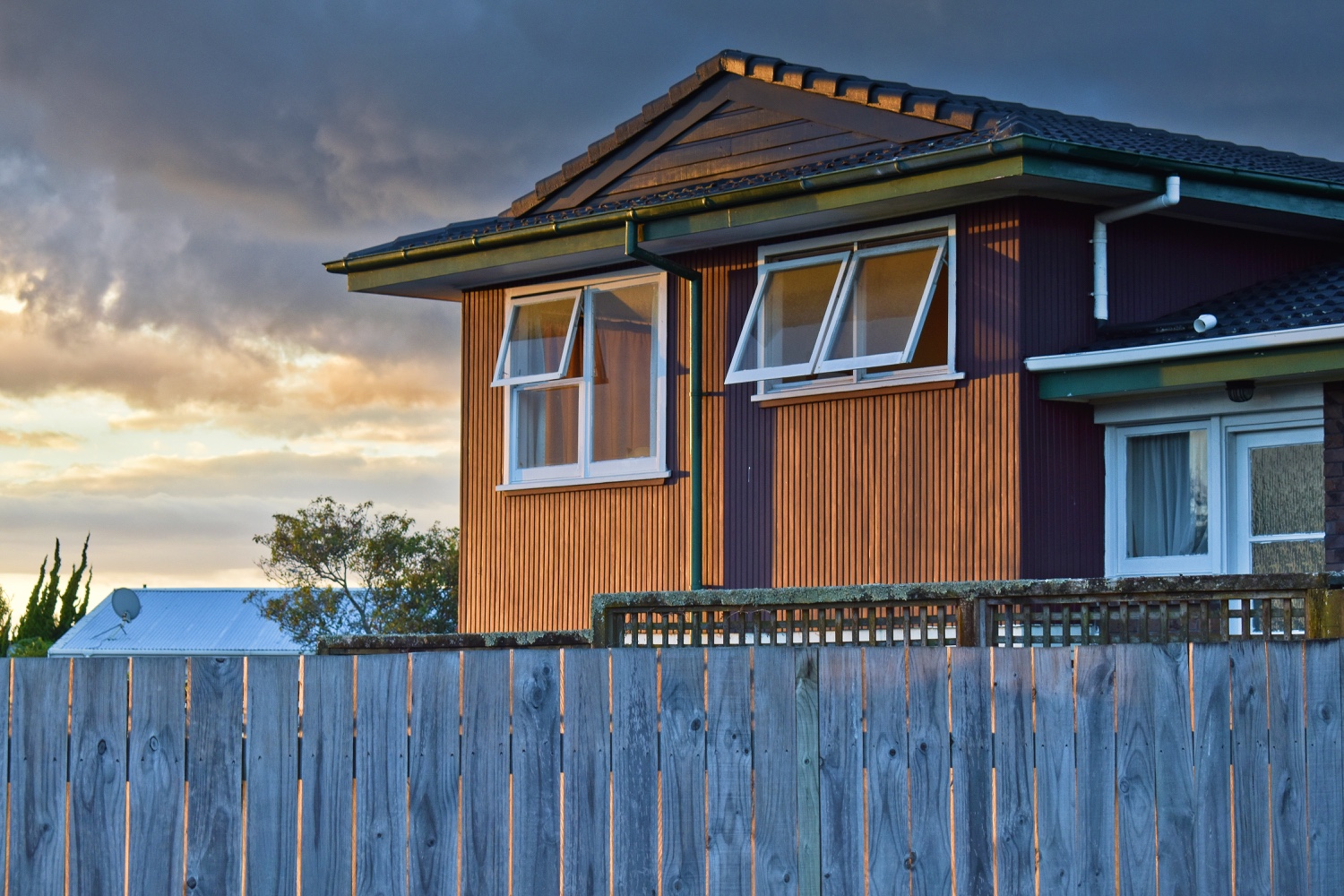
Appearance: Fresh pressure-treated lumber has a yellow-green tint from the treatment process, which fades over time to a grayish tone. If the green color isn't quite what you're going for, you can stain it for a warmer, more natural look once the wood has dried properly. Just be patient with the drying time, as staining too early can cause issues.
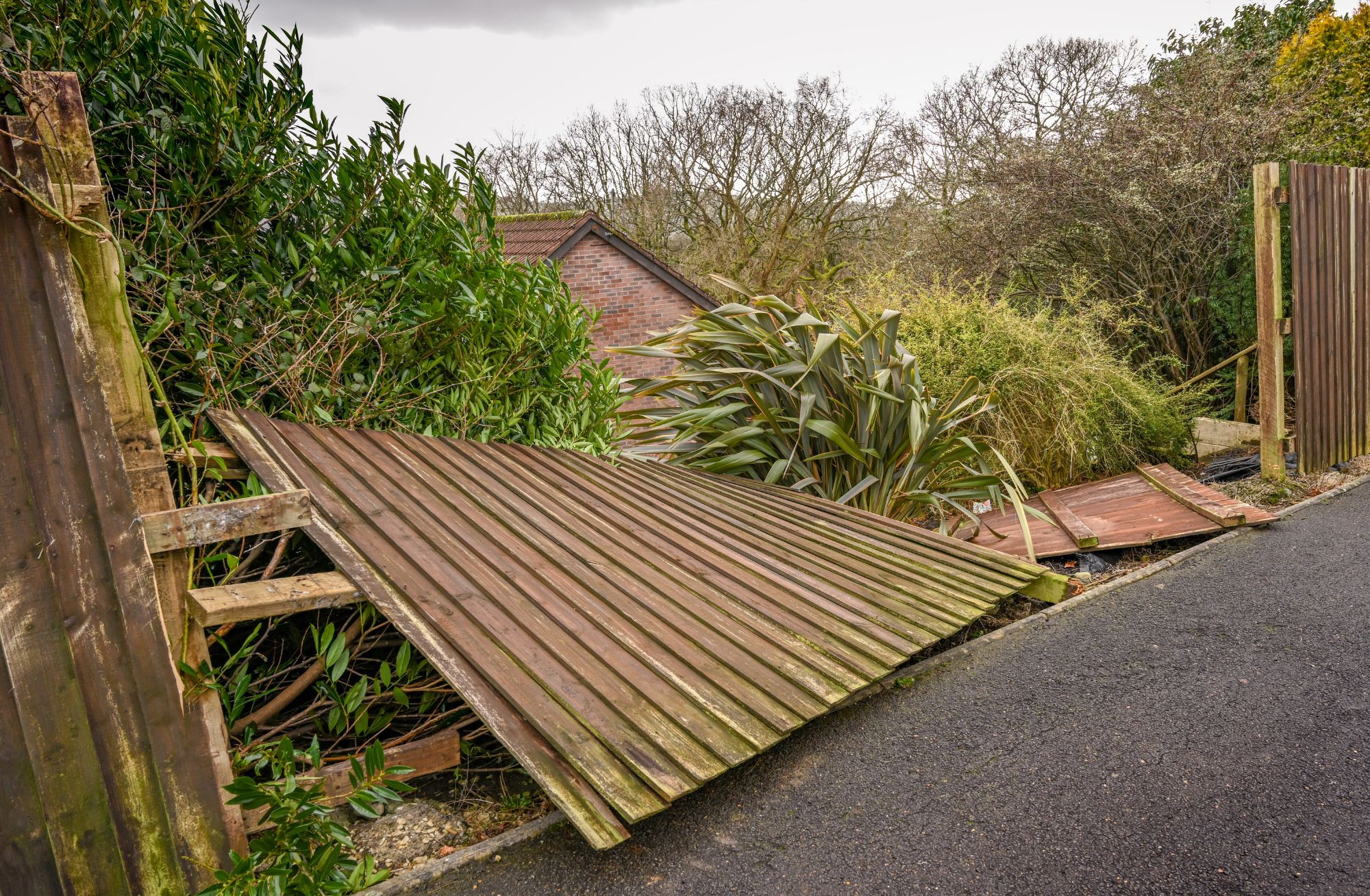
Durability: The chemical treatment does a good job protecting against rot and insects, but we want to be upfront about the trade-off: PT pine is more prone to warping, cracking, and shrinking as it dries out. It's just the nature of the material. Most pressure-treated pine fences last around 10-15+ years without maintenance, and can reach 15-25+ years with regular upkeep.
Cost: A pressure-treated pine fence typically costs less upfront than cedar, which makes it a popular choice for homeowners working within a tighter budget. That lower starting cost is a real advantage if upfront savings are a priority.
Maintenance: PT pine does ask a bit more of you over time. It requires more frequent sealing or staining to keep moisture out and minimize cracking. Ohio's humid summers accelerate moisture damage in unsealed pine, so plan to reseal every 2–3 years. You'll also want to inspect for warped or damaged boards periodically and replace them before they become a bigger issue.
Best for: Homeowners who want to keep upfront costs down and are comfortable staying on top of regular maintenance. It's also a reasonable choice if you're planning to move out in the next several years and want a solid fence without the premium investment.
Sometimes it helps to see everything in one place. Here's how the two materials stack up across the factors that matter most.
One thing worth noting: cedar boards tend to outlast PT pine boards when installed above ground, but PT pine posts actually hold up better in ground contact. That's why many professional installers recommend a hybrid approach, using pressure-treated posts with cedar boards.
Cedar does cost more upfront, and we want to be straightforward about that. But the initial price is only part of the picture.
When you're comparing materials, it helps to think about what you'll spend over the full life of the fence. That includes staining, replacing boards that warp or crack, and how many years you'll get before the fence needs replacing. Cedar typically needs less maintenance and lasts longer, so even though you pay more on day one, the total cost over 15 or 20 years often evens out or even tips in cedar's favor.
If you're planning to sell in the next few years, pressure-treated pine is a reasonable choice. But if you're staying put for a while, cedar tends to be the better long-term investment.
Many professional installers actually use pressure-treated posts with cedar boards, and it's an approach worth considering.
PT pine holds up well in ground contact, which is where cedar tends to struggle. Cedar boards, on the other hand, stay stable and look great above ground. By combining the two, you're using each material where it performs best.
It's a balanced approach that works well for a lot of homeowners.
If you'd like to know what your specific project would cost, we'd recommend requesting a quote. Every property is a little different, and factors like fence length, terrain, and yard access all affect the final number.
No matter which wood you choose, a little maintenance goes a long way toward keeping your fence looking good and standing strong. Columbus typically gets 38 inches of rain annually, so ground moisture management matters more here than in drier climates.
Most red cedar fences last 10-20+ years without maintenance and 20-30+ years with regular upkeep. Cedar's main vulnerability is persistent moisture, especially at ground level. That's why professional installers typically don't use cedar for posts and recommend keeping boards away from direct soil or mulch contact.
You can, but staining is usually the better choice. Paint sits on top of the wood and tends to peel, chip, and trap moisture over time. A semi-transparent stain soaks into the wood, lets the grain show through, and won't peel. If you want to protect your cedar fence while keeping it looking natural, stain is the way to go.
A pressure-treated pine fence typically lasts 10-15+ years without maintenance and 15-25+ years with regular upkeep. The chemical treatment handles rot and insects well, but PT pine's main weakness is the warping, cracking, and splitting that happens as the wood dries and goes through seasonal temperature changes.
It depends on your timeline. If you're planning to stay in your home for a while, cedar often pays for itself through lower maintenance and longer lifespan. If you're likely to move out in the next few years, PT pine's lower upfront cost might make more sense. The real question isn't which costs less today, but which costs less over the life of your fence.
Cedar has a distinct reddish-brown color and a pleasant, aromatic smell. It's also noticeably lighter in weight. Pressure-treated pine has a yellow-green tint when new, feels heavier, and has a slightly chemical smell from the treatment process. Over time, both will gray, but cedar typically weathers to a more uniform silver tone while pine tends to fade unevenly.
Western red cedar is the longest-lasting wood fence option for Ohio homeowners. With regular maintenance, a cedar fence can last 20–30+ years in Central Ohio's climate. Cedar's natural oils resist rot and insects without chemical treatment, and its dimensional stability holds up well through Ohio's freeze-thaw cycles. For maximum longevity, pair cedar boards with pressure-treated pine posts.
Cedar generally handles Columbus weather better over the long term. Central Ohio's freeze-thaw cycles and humid summers are tough on wood fencing, and cedar's natural resistance to warping gives it an edge. Pressure-treated pine holds up well too, but it requires more frequent sealing to manage Ohio's moisture levels. Either material works if maintained properly.
Cedar fence pricing in Columbus varies based on fence length, height, style, and property conditions like slope and access. Cedar costs more upfront than pressure-treated pine, but its longer lifespan and lower maintenance often make it the better value over time. Contact a local Columbus fence installer like Fence Boys for a free, transparent quote based on your specific property.
Most experienced Columbus fence contractors recommend a hybrid approach: pressure-treated pine posts with western red cedar boards. This combination uses each material where it performs best — PT pine resists ground-level moisture while cedar stays stable and looks great above ground. It's the setup Fence Boys installs most often for homeowners planning to stay in their home long-term.
At Fence Boys, we typically recommend cedar boards with pressure-treated posts for Columbus homeowners who plan to stay in their home long-term. This hybrid approach gives you the best of both materials: PT pine's ground-level durability where it matters most, and cedar's natural beauty and low maintenance above ground.
For customers focused on upfront cost, PT pine with a solid maintenance plan is a proven option we install regularly across Central Ohio. We'll walk you through both options during your consultation so you can make the call that fits your budget and timeline.
Choosing between cedar and pressure-treated pine comes down to your priorities, your timeline, and how much maintenance you're willing to take on. Both materials can serve you well when installed properly.
At Fence Boys, we're happy to walk you through your options and help you figure out what makes the most sense for your property. We can show you side-by-side samples so you can see and feel the difference for yourself, and we'll give you a transparent quote that breaks down material and labor so you know exactly what you're paying for.
If you're looking for fence installation in Columbus or the surrounding area, we'd love to help.
.jpeg)
.jpg)
.jpg)

.jpg)
.jpeg)
.jpg)









.jpeg)