HomeServicesLocationsBlogFAQ
Request a Quote
Maintenance

Complete Wood Fence Maintenance Guide: From Installation to Maximum Lifespan

Generic 'stain every 2 years' advice destroys fences. Learn the timing windows and seasonal care that take wood fences from 15 to 30+ years.

Request A ConsultationCall Us at (614) 412-4281

Complete Wood Fence Maintenance Guide: From Installation to Maximum Lifespan

If you bought your wood fence somewhere between 6 months and 2 years ago, you're sitting in the make-or-break window that most homeowners stumble through blindfolded. Your approach to wood fence maintenance right now will either turn your fence into a 30-year asset or an expensive lesson in why "following standard advice" is a terrible strategy.

You're about to discover the precise timing windows that separate successful fence owners from frustrated ones. We're talking about the year-by-year maintenance evolution that transforms your fence into a strategic asset, and exactly when to handle things yourself versus when calling professionals prevents turning a $200 mistake into a $3,000 disaster.

‍

Quick Answer

Cedar and pressure-treated pine need different maintenance approaches and different timing windows. Cedar can be treated at 4–8 weeks once it lightens slightly. Pressure-treated pine needs at least 6 months to dry before staining — rushing this step is the most common $3,000 mistake. In Columbus's freeze-thaw climate, proper timing is the difference between a 30-year fence and a 12-year replacement cycle.

‍

The Hidden Science Behind Your Wood Fence

Most homeowners think wood is wood, but cedar and pressure-treated pine protect themselves in completely different ways. That neighbor who swears by staining "every two years like clockwork" and whose fence looks like garbage is following the same generic advice that's been destroying perfectly good fences for decades.

Cedar and pressure-treated pine are basically different species that punish you for following one-size-fits-all maintenance plans.

Cedar comes with built-in natural protection but needs several weeks to weather before staining. Pressure-treated pine relies on chemical preservatives but requires at least half a year drying time. Staining either wood type too early creates expensive failures.

The key differences are outlined below:

Cedar CharacteristicsPressure-Treated Pine
Natural thujaplicin protectionChemical copper treatment
4–8 week weathering period6+ month drying period
Minimal dimensional movementHigher shrinkage and movement
Ready when slightly grayReady when water absorbs quickly

Understanding these fundamental differences is what separates successful fence maintenance from expensive failures, and it determines everything about when and how you should treat your fence.

‍

Master the Critical Timing Windows

Now that you understand your wood type, the next step is nailing the timing windows that make or break your fence's lifespan.

‍

Critical Timing Windows

Cedar: Treat at 4–8 weeks when it lightens from rich brown to slight gray and feels slightly rough rather than waxy. Missing this window costs $2–$4 per square foot for UV damage removal versus $0.50–$1.50 prevention.

Pressure-Treated Pine: Wait minimum 6 months. Test readiness by sprinkling water on the wood surface. If it absorbs within 10 minutes, you're ready to treat. Rushing this step turns $200 impatience into $3,000 early replacement when posts rot from moisture entrapment. In Central Ohio's humid summers, water absorption can take longer than in drier climates — err on the side of waiting longer rather than shorter.

‍

Product Selection and Application Mastery

Treatment TypeProsCons
Semi-Transparent Oil Stains3–5 years protection, deep penetration, enhances wood grainMore expensive upfront, requires back-brushing technique
Clear SealersPreserves natural appearance, easier applicationOnly 1–2 years protection, frequent reapplication needed
Polyurethane Clear CoatsMaximum UV protection while showing natural grainWeather-sensitive application, requires perfect conditions

Getting the right product onto your fence at the right time can double your maintenance intervals.

Application requires:

  • 50–80°F surface temperatures
  • Under 70% humidity
  • No rain for 48 hours
  • Back-brushing for proper penetration

Coverage rates vary 200–400 square feet per gallon. South-facing sections need retreatment every 2–3 years, while north-facing areas extend to 4–5 years based on visual indicators.

Getting these timing windows right transforms your fence maintenance from crisis management to strategic asset protection.

‍

Strategic Planning for Extending Wood Fence Lifespan

Once you've mastered the timing basics, thinking strategically about your fence's entire lifecycle is what separates 15-year failures from 30-year successes.

‍

Foundation Years: Building Your Maintenance Base

Year 1 is the critical foundation period where posts settle and you establish protective baselines:

  • Apply cleaner-brightener with mildewcide within 90 days
  • Monthly gate adjustments as posts settle into final positions
  • Document problem areas (south-facing sections, sprinkler zones, vegetation contact)
  • Monitor for warping, splitting, and loose fasteners

Years 2–3 reveal your fence's personality through first treatment cycles:

  • First major treatment application based on wood type
  • Upgrade hardware to galvanized or stainless steel
  • Establish maintenance patterns for accelerated weathering areas
  • Create maintenance map for future interventions

Early strategies for extending your fence's lifespan pay dividends for decades.

‍

Prime Maintenance Period: Strategic Interventions That Pay Off

Years 4–5 trigger the first major maintenance cycle:

  • Comprehensive board-by-board assessment
  • Professional inspection ($200–$400 investment)
  • Address issues while correction costs $20–$50 vs $150–$300 replacement
  • Determine cost-effectiveness of continued care vs replacement planning

Years 6–10 represent your fence's prime earning years:

  • Expect 10–15% of posts to need replacement
  • Component-level evaluation of each section independently
  • Shift from semi-transparent to solid stains for enhanced protection
  • Replace worst 5–10% of boards annually vs waiting for failure

Smart homeowners use this period for proactive component replacement rather than reactive repair.

‍

Preservation and Replacement Decision Period

Years 10–15 focus on preservation strategies:

  • Intensive cleaning approaches for long-term buildup
  • Heavy-duty sealants for maximum protection
  • Structural integrity evaluations
  • Weatherproofing older wood components

Year 15+ decision point becomes critical:

  • When annual maintenance exceeds $500–$750, consider replacement
  • When 30%+ of components need replacement, the economics shift
  • Premium cedar can extend to 25–30+ years with section-by-section management
  • Selective replacement of worst sections while preserving the best

The key during this phase is rebuilding gradually rather than all at once.

‍

Year-Round Wood Fence Care

Implementing seasonal protocols ensures your fence thrives through every weather challenge.

‍

Spring: Post-Winter Recovery

  • In Columbus, where the frost line sits at 32 inches, assess frost heave damage that can displace posts up to 6 inches
  • Treat mold and mildew with oxygenated bleach solutions (1:2 ratio)
  • Reinforce displaced posts with additional concrete or gravel backfill
  • Clear debris that trapped moisture during winter

Frost heave correction requires immediate attention because displaced posts compromise structural integrity.

‍

Summer: UV Protection and Thermal Management

  • Work below 85°F surface temperature (early morning or evening)
  • Monthly fastener checks during thermal expansion periods
  • Adjust sprinklers to avoid direct fence contact
  • Monitor for UV damage on south-facing sections

‍

Fall: Winter Preparation

  • Last chance for oil-based product application before freezing
  • Improve drainage with 2% grade slopes away from posts
  • Install gravel beds in clay soils to prevent freeze-thaw cycling
  • Winterize hardware with marine-grade lubricants

‍

Winter: Snow, Ice, and Salt Protection

  • Remove snow over 6 inches using plastic shovels to prevent scratching
  • Address ice dams immediately before water redirects against posts
  • Use potassium chloride instead of rock salt that causes chemical burns
  • Plan next season's maintenance

Winter damage prevention is often the difference between premature replacement and decades of reliable service.

Following a seasonal protocol shifts your approach from reactive repairs to proactive protection, maximizing your fence's performance year-round.

‍

DIY Guidelines and Critical Mistakes

Now that you understand the science, timing, and seasonal protocols, the final piece is knowing your limits and avoiding expensive mistakes.

DIY TasksProfessional Tasks
Cleaning, staining, vegetation managementPost replacement, structural repairs
Board replacement under 6 feetWork above 8 feet (fall protection required)
Hardware maintenance, annual inspectionsBuilding code compliance, insurance claims

Costly Mistakes to Avoid:

  • Treating pressure-treated wood too early ($200 mistake becomes $3,000 replacement)
  • Letting vegetation touch fence boards ($50 repair vs $270 post replacement)
  • Using excessive pressure washing PSI (permanent damage requiring professional correction)
  • Missing cedar's 4–8 week treatment window ($2–$4/sq ft removal vs $0.50–$1.50 prevention)

Understanding these boundaries protects both your safety and investment while ensuring you get professional help exactly when you need it most.

‍

Wood Fence Maintenance FAQs

‍

How often should I stain my wood fence in Ohio?

It depends on the wood. Cedar holds up well with staining every 3–5 years, while pressure-treated pine typically needs reapplication every 2–3 years to manage Central Ohio's humidity. South-facing sections need more frequent attention than north-facing ones — UV exposure compounds wear.

‍

When should I stain a brand-new pressure-treated fence?

Wait at least 6 months. Most pressure-treated lumber is still wet from the treatment process when it's installed. Sprinkle water on the surface — if it absorbs within 10 minutes, the wood is dry enough to take stain. Staining too early traps moisture and can cause posts to rot from the inside out.

‍

How long should a wood fence last in Columbus?

With proper maintenance, cedar fences last 20–30+ years and pressure-treated pine lasts 15–25 years. Without maintenance, both lose 5–10 years off their lifespan. Ohio's freeze-thaw cycles and humid summers are especially hard on wood, so consistent care matters more here than in drier climates.

‍

Can I pressure wash my wood fence?

Yes, but use the lowest effective PSI. High pressure can permanently damage wood grain and force water deep into the boards. Stick to 500–1,500 PSI and hold the wand at least 12 inches from the surface.

‍

What's the best way to protect a wood fence in winter?

Clear snow buildup over 6 inches with a plastic shovel, address ice dams before they redirect water against posts, and avoid rock salt near the fence line — it causes chemical burns to the wood. Potassium chloride is a safer alternative.

‍

What Fence Boys Recommends for Columbus Homeowners

For most Columbus homeowners, we recommend a hybrid wood fence: pressure-treated pine posts with cedar boards. The pine handles ground-level moisture and freeze-thaw stress where it matters most, and the cedar gives you the look and longevity above grade. With this setup and 3–5 year staining cycles, you should see 25+ years of service.

If you've inherited a fence and aren't sure when it was installed, do the water test on a few boards. Quick absorption means it's ready to stain. Beading water means wait. And if you're getting close to year 10–15, start budgeting for selective post replacement before issues compound.

When in doubt, get a professional inspection. A $200–$400 visit can flag issues while they're still $50 fixes — far cheaper than waiting until they become $3,000 replacements.

‍

Turn Your Fence Into a 30-Year Investment

You now understand what separates successful fence owners from frustrated ones. The science behind wood protection, critical timing windows, and strategic lifecycle planning enable proactive protection instead of reactive repairs.

Most importantly, wood fence maintenance succeeds when you understand your wood type, nail those timing windows, and make smart DIY versus professional distinctions. Generic "stain every two years" advice destroys more fences than it saves.

The optimal maintenance window for any fence won't last forever. Every month you delay is another step closer to watching your $6,000 investment become an $18,000+ replacement cycle.

Need help protecting your fence investment?

Contact Fence Boys for expert guidance on fence maintenance and professional repair services when you need them.

Get a Free Quote

Introduction

  • The hidden connection between strategic fencing and home energy costs
  • How proper fence placement can reduce heating and cooling expenses
  • Ohio's wind patterns and their impact on home energy efficiency
  • The role of fencing in creating beneficial microclimates around your home
  • Environmental benefits of energy-efficient fence planning
  • Integration with other energy-saving home improvements
  • The Fence Boys' approach to energy-conscious fence design and placement

Understanding Ohio's Wind Patterns and Energy Impact

Seasonal Wind Patterns Across Ohio

  • Prevailing winter wind directions (typically northwest) and heating impact
  • Summer wind patterns and their effect on cooling costs
  • Regional variations in wind patterns across Ohio (lake effect, topography)
  • How wind speed affects home energy loss through infiltration
  • Microclimate variations in urban vs. rural Ohio settings

‍

Wind Chill and Heat Index Effects

  • How wind increases the effective temperature difference your home experiences
  • Infiltration air leakage and its impact on HVAC system efficiency
  • Wind-driven pressure differences and their effect on home comfort
  • Seasonal energy cost variations related to wind exposure
  • The compound effect of wind and temperature on energy consumption

Home Exposure Assessment

  • Identifying vulnerable sides of your home to prevailing winds
  • Measuring current wind exposure and energy impact
  • Understanding how landscaping and neighboring structures affect wind patterns
  • Assessing potential energy savings from strategic wind protection
  • Tools and techniques for wind pattern analysis on your property

Strategic Windbreak Fence Design

Optimal Fence Placement for Energy Savings

  • Distance calculations for maximum windbreak effectiveness (6-10 times fence height)
  • Angle considerations for deflecting rather than blocking wind
  • Height requirements for effective wind protection
  • Integration with existing landscaping and structures
  • Multi-level windbreak systems combining fences with vegetation

Fence Design for Wind Management

  • Porosity considerations: solid vs. semi-permeable fence designs
  • How different fence styles affect wind flow patterns
  • Creating wind shadows for maximum home protection
  • Avoiding wind tunnel effects and turbulence creation
  • Seasonal adjustability options for changing wind patterns

Material Selection for Windbreak Fencing

  • Durability requirements for windbreak fences exposed to constant wind stress
  • Weight and structural considerations for wind load resistance
  • Material thermal properties and their impact on microclimate creation
  • Maintenance requirements for windbreak fencing in Ohio's varied weather
  • Cost-effective material choices for large windbreak installations

Regional Ohio Considerations

  • Lake Erie shoreline wind protection strategies
  • Hill country and valley wind pattern management
  • Urban heat island effects and fence-based mitigation strategies
  • Agricultural area wind protection integration with rural fencing needs
  • Suburban wind pattern modification for energy efficiency

Summer Cooling Strategies with Fencing

Shade Creation and Heat Reduction

  • Strategic fence placement for morning and afternoon sun protection
  • Integration with pergolas and shade structures
  • Vine and climbing plant integration for enhanced cooling
  • Reflective fence materials and colors for heat reduction
  • Creating cool microclimates around patios and outdoor living areas

Air Flow Management for Natural Cooling

  • Directing beneficial summer breezes toward your home
  • Creating venturi effects for enhanced air movement
  • Positioning fences to channel cooling airflow through outdoor spaces
  • Preventing hot air accumulation in landscaped areas
  • Integration with home ventilation strategies and window placement

Heat Island Reduction Techniques

  • Using fencing to break up large paved areas that create heat islands
  • Strategic placement to shade driveways, walkways, and patios
  • Integration with permeable surfaces and landscaping for cooling
  • Color and material selection for minimal heat absorption and retention
  • Creating multiple shade zones throughout your property

Winter Wind Protection and Heating Efficiency

Reducing Winter Heat Loss

  • Blocking cold northwest winds that increase home heat loss
  • Creating wind shadows that reduce infiltration air leakage
  • Strategic fence placement to protect HVAC equipment from wind exposure
  • Reducing wind chill effects on home exterior surfaces
  • Integration with foundation landscaping for comprehensive wind protection

Snow Management and Drift Control

  • Using fences to control snow drift patterns away from home foundations
  • Creating windbreaks that reduce snow accumulation around HVAC equipment
  • Strategic placement to maintain clear pathways and driveways
  • Preventing snow loading on home roofs through wind pattern modification
  • Integration with snow removal and winter maintenance strategies

Microclimate Creation for Winter Comfort

  • Creating protected outdoor spaces for winter use
  • Sun trap design for maximizing winter solar gain
  • Wind protection for outdoor equipment and utilities
  • Extending the usable season for outdoor spaces through wind protection
  • Integration with seasonal outdoor activities and winter landscape design

Integration with Renewable Energy Systems

Solar Panel Protection and Optimization

  • Wind protection for roof-mounted solar panel systems
  • Reducing debris accumulation on solar panels through strategic windbreaks
  • Creating microclimates that optimize solar panel efficiency
  • Fence-mounted solar options for energy generation and wind protection
  • Integration planning for future renewable energy system installation

Geothermal System Integration

  • Protecting geothermal equipment from wind exposure and debris
  • Strategic fencing around geothermal installation areas
  • Integration with geothermal landscaping requirements
  • Access considerations for geothermal system maintenance
  • Long-term planning for geothermal system expansion

Energy Efficiency Measurement and ROI

Calculating Energy Savings from Strategic Fencing

  • Methods for measuring before and after energy consumption
  • Typical energy savings percentages from effective windbreak installation
  • Seasonal variations in energy savings from wind protection
  • Integration with whole-home energy efficiency assessments
  • Documentation for utility company rebate and incentive programs

Cost-Benefit Analysis

  • Initial investment in energy-efficient fence design vs. ongoing energy savings
  • Payback period calculations for windbreak fence installations
  • Property value impact of energy-efficient landscaping and fencing
  • Maintenance costs vs. energy savings over fence lifetime
  • Financing options for energy-efficiency focused fence projects

Utility Rebates and Incentives

  • Ohio utility company programs for energy efficiency improvements
  • Federal and state tax incentives for energy-efficient home improvements
  • Documentation requirements for energy efficiency rebate programs
  • Integration with other home energy efficiency projects for maximum incentives

Professional Assessment and Implementation

  • Working with energy auditors to assess wind impact on home energy usage
  • Coordination with HVAC professionals for comprehensive efficiency planning
  • Landscape architect consultation for integrated windbreak design
  • Professional wind pattern analysis and fence placement optimization
  • Quality installation requirements for maximum energy efficiency benefits

Conclusion: Fencing Your Way to Lower Energy Bills

  • The strategic value of energy-conscious fence planning
  • Long-term financial and environmental benefits of windbreak fencing
  • The Fence Boys' expertise in energy-efficient fence design and placement
  • Next steps for energy-efficiency focused fence consultation

Related Resources

  • For information on proper foundations for windbreak fencing, see our guide: "Why Post Depth Matters: The Foundation of a Long-Lasting Fence"

‍

Related Posts

View All Posts
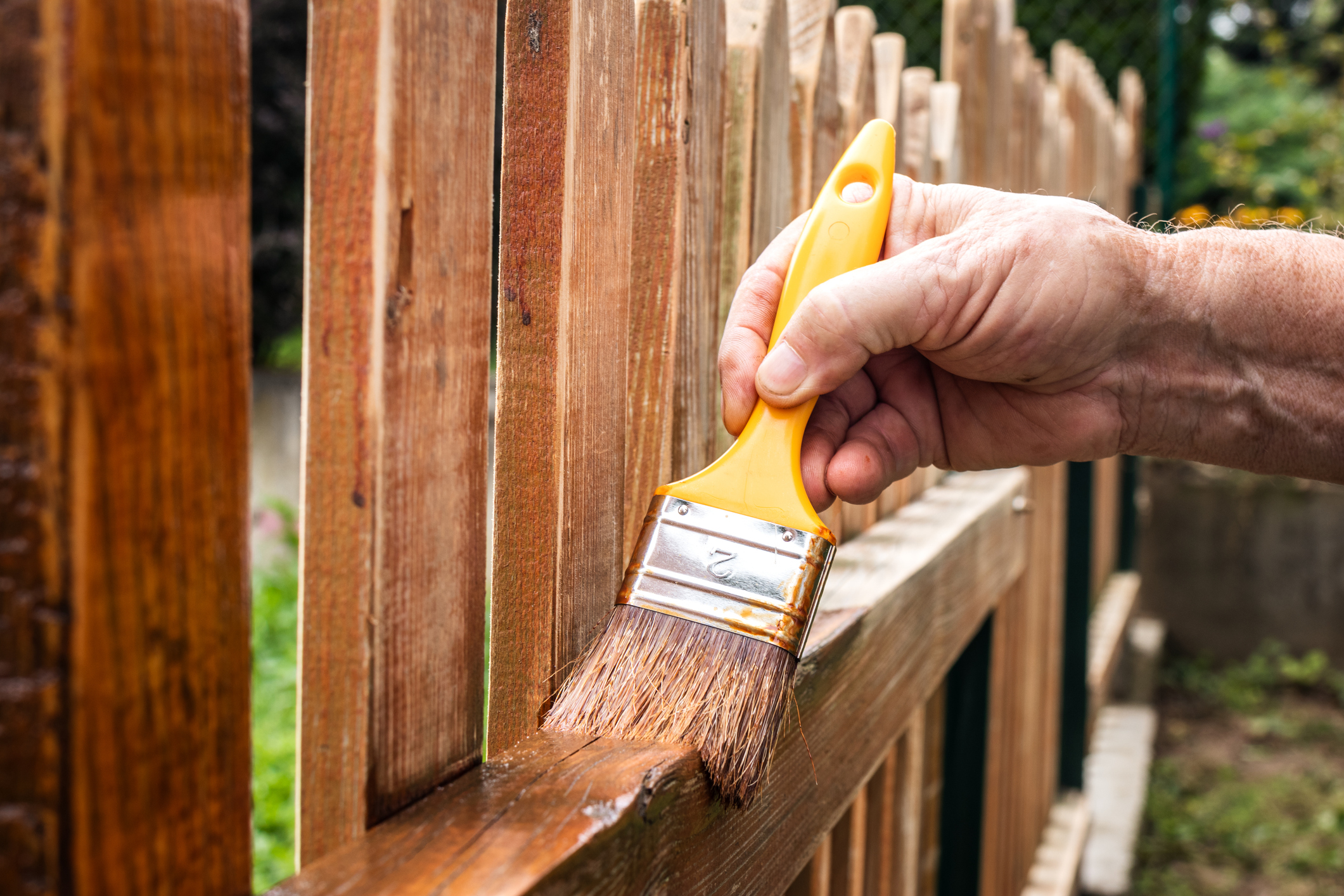
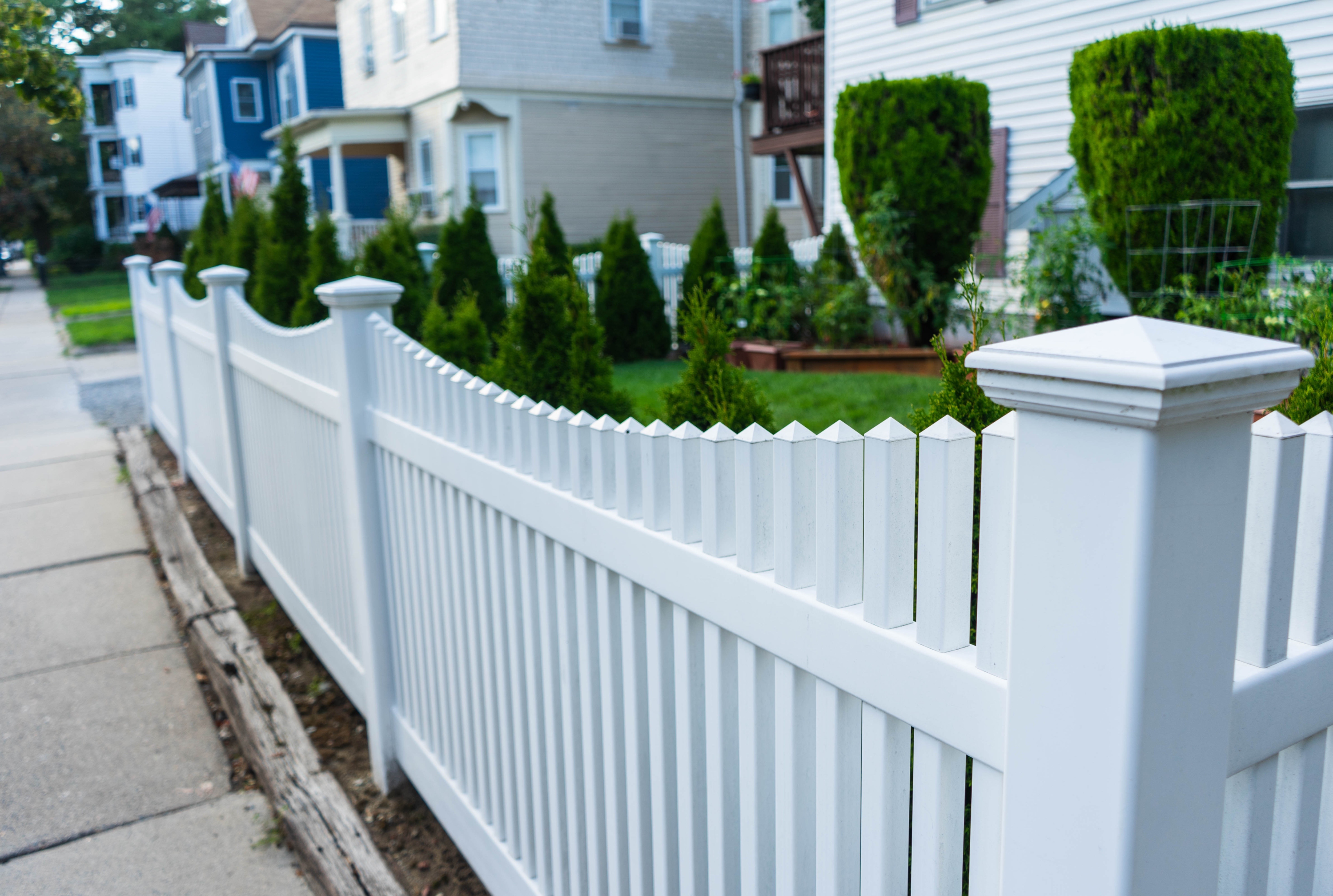
A long white fence stretched along a sidewalk in a suburban neighborhood.
The Installation Process

Fence Installation Near Me: What to Look For (and Avoid) in Columbus Contractors

A practical guide for Columbus homeowners on how to vet local fence contractors — what credentials to check, what a good estimate includes, and what red flags to avoid.
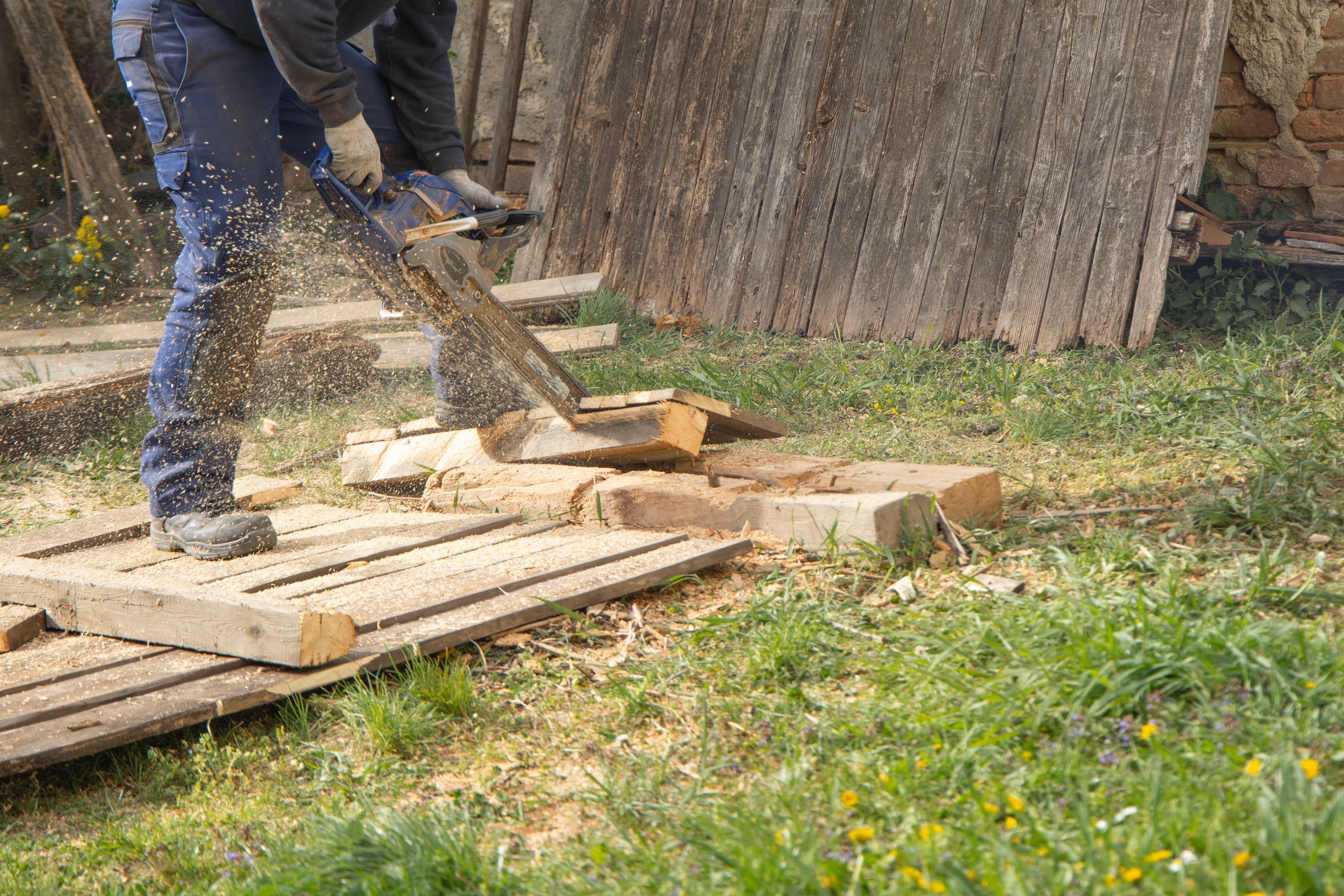
Worker using a chainsaw to cut and remove old wooden fencing outdoors, with sawdust flying around the work area.
The Installation Process

How We Handle Old Fence Removal: Our Clean Process Explained

How Fence Boys handles old fence removal in Columbus — post extraction, concrete footing removal, responsible disposal, and full site cleanup before your new fence goes in.
Worker measuring wooden fence boards with a tape measure during residential fence installation in a backyard
Fencing

Fence Terminology Decoded: A Visual Guide for Homeowners

A plain-language guide to fence terminology — from posts and rails to frost lines and pressure treatment grades. Everything you need to follow contractor conversations with confidence.
Workers installing a wooden fence outdoors, positioning support posts and securing the frame during the construction process.
The Installation Process

What to Expect on Fence Installation Day with Fence Boys

A practical guide to fence installation day in Columbus — what to prep beforehand and what Fence Boys does from morning walkthrough to final cleanup.
A wooden post is being set into a deep, freshly dug hole in red soil.
The Installation Process

Why Post Depth Matters: The Foundation of a Long-Lasting Fence

Why post depth is the single most important factor in fence longevity and what Fence Boys does differently to make sure Columbus installations hold up through Ohio's winters.
Hand applying wood stain to a cedar fence with paintbrush against blue sky
Maintenance

Complete Wood Fence Maintenance Guide: From Installation to Maximum Lifespan

Generic 'stain every 2 years' advice destroys fences. Learn the timing windows and seasonal care that take wood fences from 15 to 30+ years.
Close-up of a fence quotation form with pen, calculator, and reading glasses on a desk
Choosing Your Materials

What Actually Affects Your Fence Cost in Columbus (Beyond Just the Material)

Why do two quotes for the same fence vary by thousands? Slope, soil, gate count, and board spacing all shift the number more than material choice.
Calendar with pinned dates representing a fence installation project timeline
The Installation Process

The Fence Installation Timeline: What to Expect from Quote to Completion

The fence installation timeline typically runs 4-6 weeks when things go smoothly. Learn what happens at each phase and how to plan around it.
Fence Boys crew member working on a residential wood fence installation in Columbus
The Installation Process

Why Fence Boys' Process Stands Out from Other Columbus Fence Contractors

Discover what separates professional fence contractors in Columbus. Learn the standards you should expect from pricing to installation and cleanup.
Red cedar privacy fence installed in a residential backyard
Fencing

Western Red Cedar vs. Pressure-Treated Pine: Which Wood is Right for Your Fence?

Comparing red cedar fence and pressure-treated pine? Learn the differences in lifespan, maintenance, and long-term value. Get a free quote from Fence Boys.

Experience The Fence Boys

Request a Quote
Sign up for updates
Thank you! Your submission has been received!
Oops! Something went wrong while submitting the form.
Navigation
HomeAboutServicesLocationsFAQBlogContact
Service Areas
Bexley
Canal Winchester
Dublin
Gahanna
Grove City
Hilliard
+ More
Services
Decorative Metal FencingVinyl FencingWood Fencing
contact
1509 Blatt Blvd Unit 6106, Gahanna, OH 43230support@fenceboys.com(614) 412-4281
© 2026 Fence Boys. All Rights Reserved.
Request a QuoteCall Us