HomeServicesLocationsBlogFAQ
Request a Quote
Fencing

Fence Terminology Decoded: A Visual Guide for Homeowners

A plain-language guide to fence terminology — from posts and rails to frost lines and pressure treatment grades. Everything you need to follow contractor conversations with confidence.

Request A ConsultationCall Us at (614) 412-4281

Fence Terminology Decoded: A Visual Guide for Homeowners

When contractors mention rails, stringers, on-center spacing, and UC ratings, all that fence terminology can feel like a different language. Most people don't think about fences until they need one, so that's completely understandable.

But don't let the jargon intimidate you. These terms are simpler than they sound. When you know the names of fence parts and common fence construction terms, conversations with contractors get a lot easier. You'll be able to read quotes with confidence, compare options between contractors, and ask the questions that actually matter for your project.

Consider this your complete fence glossary. We'll walk through measurements, structural fence components, gate hardware, materials, styles, and installation methods. Think of it as a reference you can come back to whenever you need it. By the end, you'll have the vocabulary to follow along with what contractors are saying and feel good about the decisions you're making.

‍

Quick Answer

A fence is made up of posts (vertical supports anchored in the ground), rails (horizontal connectors between posts), and pickets (the vertical boards that form the visible face). Gates add hinges, latches, and drop rods. Materials are measured by gauge (metal thickness), UC rating (lumber treatment grade), and nominal dimensions (the labeled size before drying and milling). Installation terms like frost line, racking, and stepping describe how fences are set and adjusted for terrain.

‍

Fence Measurement and Sizing Terms

Before diving into fence components, it helps to understand how contractors measure and talk about spacing. These terms show up on quotes and during consultations, and knowing them ahead of time makes things a lot easier to follow.

  • Linear feet is a straight-line measurement of length. A quote for 150 linear feet means your fence will be 150 feet long from start to finish.
  • On-center spacing refers to the distance between the center points of two posts. If someone says posts are spaced 8 feet on center, picture the center of one post to the center of the next. That gap is 8 feet.
  • Setback is how far your fence must sit from property lines, streets, or easements. Rules vary by location, so check with your local zoning office before finalizing your plans.
  • Grade refers to the slope of your land. Your grade determines whether your fence can follow the terrain smoothly or needs to step down in sections.
  • Plumb means perfectly vertical. Level means perfectly horizontal. Posts should always be plumb, even on sloped ground.

‍

Fence Structural Components

Now that you understand the measurements, let’s look at the actual parts of a fence. These are the pieces that give your fence its shape and strength.

  • Posts are the vertical supports anchored into the ground. They carry the weight of the entire fence. You’ll hear about different types: terminal posts are the larger posts at corners, ends, and gates, while line posts are the standard posts that run between them. Gate posts are typically bigger and set deeper because they handle more stress than standard posts.
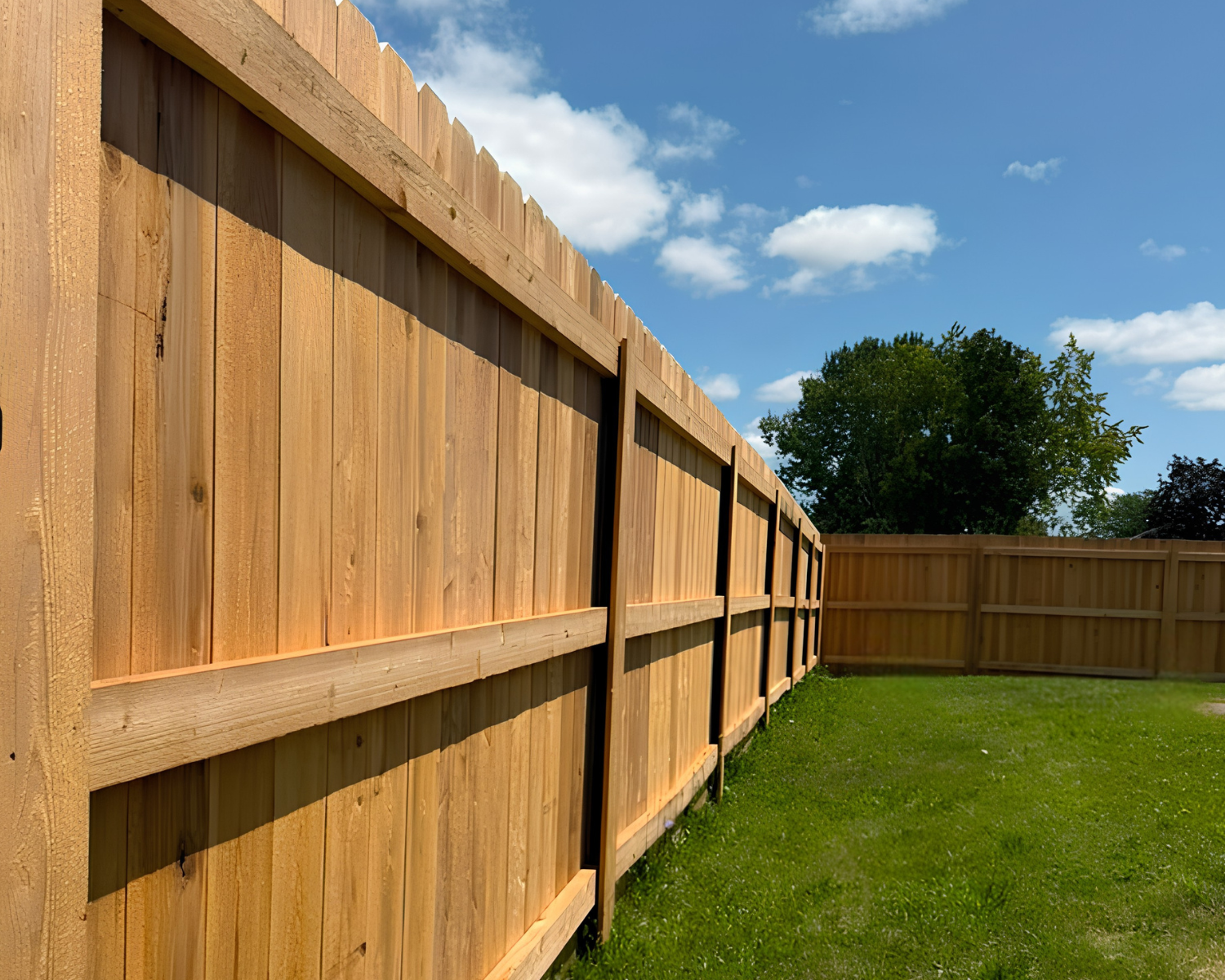
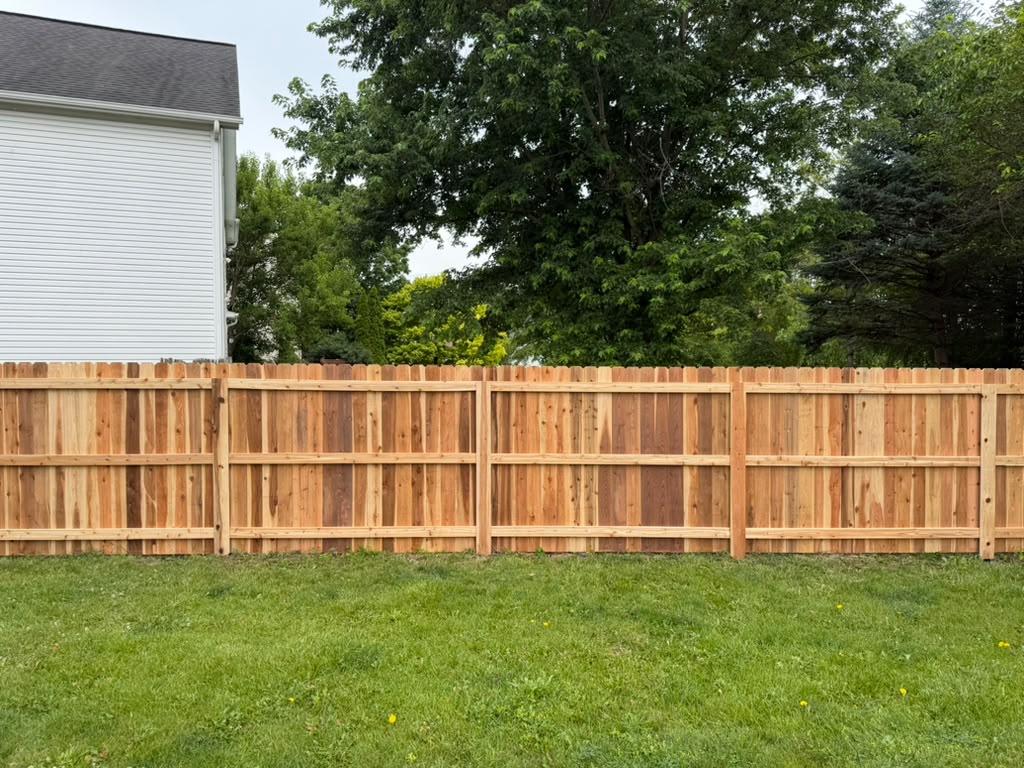
  • Rails (also called stringers) are the horizontal boards that connect posts and support the pickets. A standard 6-foot privacy fence uses three rails: one near the top, one near the bottom, and one in the middle.
  • Pickets (also called boards) are the vertical slats that make up the visible face of your fence. They attach to the rails and create the actual barrier.
  • Panels are pre-assembled fence sections you can buy ready to install. Stick-built fencing is built on-site, picket by picket. Panels install faster on flat ground, while stick-built works better for slopes and uneven terrain.
  • Post caps are protective covers that sit on top of posts. They keep rain from soaking into the exposed wood grain, which helps posts last longer.
  • Fasteners are the nails, screws, or brackets that hold everything together. Quality fasteners make a big difference in how well your fence holds up over time.

‍

Gate-Specific Terms

Gates involve moving parts and hardware that have their own vocabulary.

  • Walk gate (or single gate) is a standard-width gate for people to pass through, typically 3 to 4 feet wide.
  • Double drive gate is a wider gate designed for vehicles, usually 10 to 16 feet wide. It has two leaves that swing open from the center.
  • Swing arc is the path your gate travels when it opens. A 4-foot gate needs 4 feet of clearance on the swing side to open fully.
  • Self-closing hinges use springs or hydraulics to pull the gate shut automatically. These are required on pool fences to meet safety codes.
  • Latches are the mechanisms that keep your gate closed. Common types include gravity latches (drop into place on their own), thumb latches (lift with a lever), and magnetic latches (close with strong magnets).
  • Drop rods (also called cane bolts) are vertical metal rods used on double gates. One gate leaf stays fixed in place using the drop rod, while the other leaf swings open and closed. Without one, both gate leaves can shift and fall out of alignment.

‍

Material and Finish Terms

These terms come up when contractors talk materials, grades, and finishes.

  • Gauge is the thickness of metal. Lower numbers mean thicker material. A 9-gauge chain link is thicker and stronger than 11-gauge.
  • Nominal vs. actual dimensions explains why a 2x4 board actually measures 1.5 inches by 3.5 inches. The label shows the rough-cut size before the wood is dried and smoothed.

‍

Nominal Actual Common Use
1x6 ¾" x 5½" Pickets
2x4 1½" x 3½" Rails
4x4 3½" x 3½" Standard posts
6x6 5½" x 5½" Gate posts
  • Pressure-treated lumber is wood treated with preservatives to resist rot and insects. Look for UC4 ratings on posts since that grade is rated for ground contact.
  • Galvanized means metal is coated with zinc to prevent rust. This protection lasts even if the surface gets scratched.
  • Powder-coated means metal is covered with a baked-on colored finish. It looks clean and comes in many colors, but the metal underneath can rust if the coating gets scratched or chipped.
  • UV inhibitors are additives in vinyl that protect against sun damage. Higher-quality vinyl has more UV protection and resists yellowing and cracking.

‍

Fence Style and Design Terms

How a fence looks and how much it screens are two sides of the same conversation. Here’s the vocabulary for both:

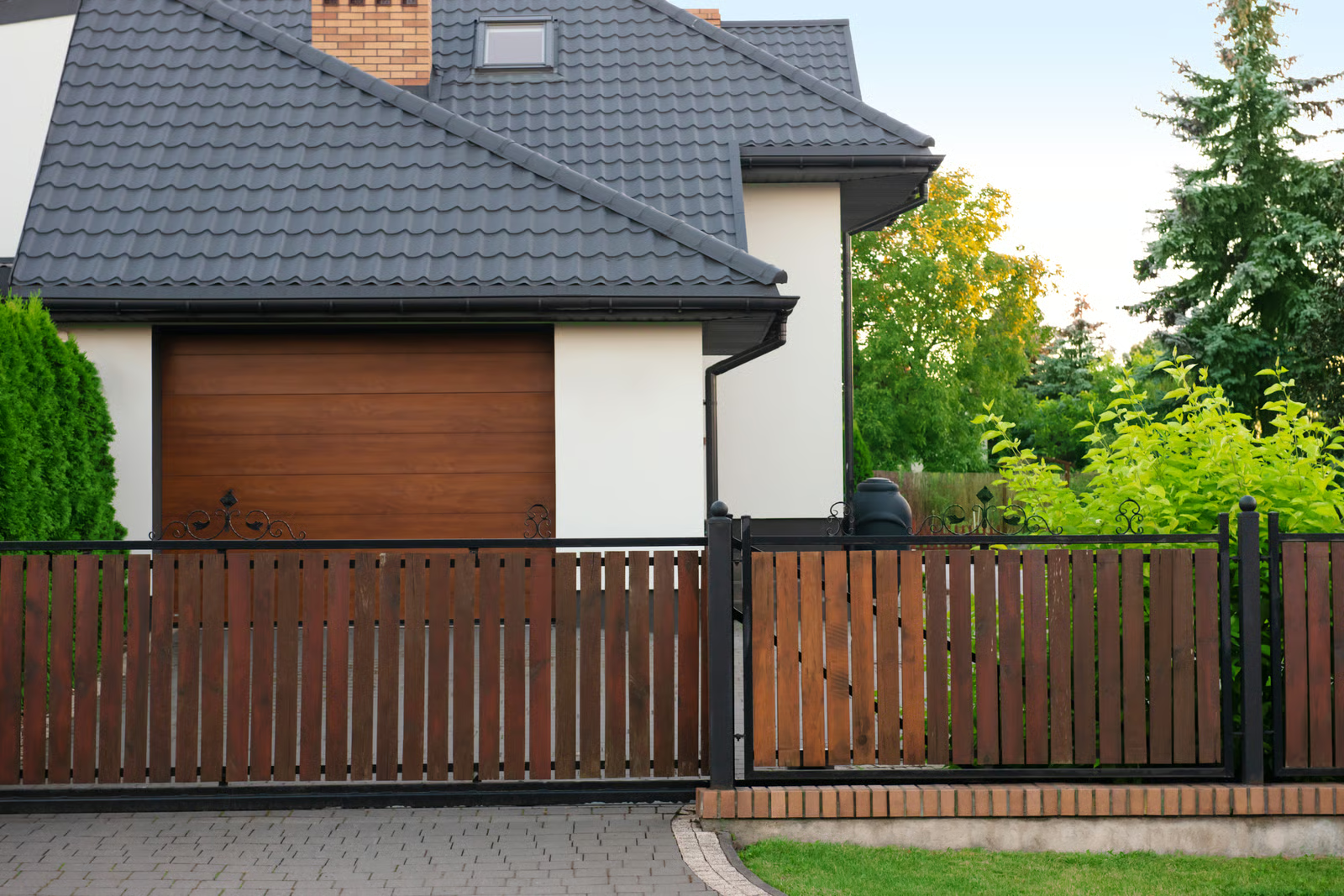
  • Privacy fence (or solid fence) has boards placed with no gaps for complete visual screening. Even privacy fences leave a small space between boards to allow for wood expansion.
  • Semi-privacy fence has intentional gaps between boards for airflow and partial visibility. It blocks direct views while letting light and breeze through.
  • Shadowbox fence (also called good neighbor fence) has boards mounted on alternating sides of the rails. It looks the same from both sides and provides partial privacy.
  • Board-on-board fence has overlapping boards on the same side for full privacy. The overlap means no gaps appear even as the wood shrinks over time.
  • Picket styles refer to the shape of the board tops. Dog ear pickets have angled corners. Gothic pickets come to a pointed tip. Flat top pickets have a straight, level edge.
  • Top profiles describe the overall shape along the top of your fence. Straight top runs level across. Scalloped curves downward in the center of each section. Convex (or arched) curves upward.
  • Lattice is a crisscross pattern often added to the top of a fence for decoration or extra height.

‍

Installation Terms

How a fence gets built matters as much as what it’s built with. These are the terms that come up during installation.

  • Frost line is the depth at which the ground freezes in winter. In Columbus, the frost line is about 32 inches. Posts need to be set below this depth to prevent shifting when the ground freezes and thaws.
  • Concrete footing is the concrete poured around a post to hold it in place. It provides stability and keeps the post from leaning over time.
  • Dry-set posts are posts set in compacted gravel instead of concrete. Water drains away from the post more easily this way. It can help reduce rot risk in certain soil types.
  • Racking is when fence panels are angled to follow a gentle slope. The posts stay vertical while the rails tilt with the terrain, keeping the bottom of the fence close to the ground.
  • Stepping is when fence sections are installed in level steps going down a slope. Each section sits slightly lower than the one before, creating a stair-step look. This method leaves triangular gaps under each section, which may need to be filled depending on your yard and needs.

‍

Fence Terminology FAQs

What are the main parts of a fence called?

The main parts include posts (vertical supports), rails (horizontal connectors), pickets (vertical face boards), and post caps. Gates also have hinges, latches, and sometimes drop rods.

What is the difference between a fence post and a fence rail?

Posts are the vertical supports anchored into the ground. Rails run horizontally between posts and hold the pickets in place.

What does "on-center" mean in fencing?

On-center refers to the distance from the center of one post to the center of the next. Posts are commonly spaced 6 or 8 feet on center.

What is the anatomy of a wood fence?

A wood fence typically has posts set in concrete or gravel, two or three horizontal rails connecting the posts, vertical pickets attached to the rails, and post caps on top.

How deep should fence posts be in Columbus?

Posts should be set at least 36 inches deep in Columbus to get below our 32-inch frost line. That depth keeps posts below the frost line and prevents shifting during freeze-thaw cycles.

‍

What Fence Boys Recommends for Columbus Homeowners

Knowing the terminology puts you in a stronger position when it matters most: reviewing a quote, comparing contractors, or asking the right questions during a consultation.

When you’re reviewing quotes, pay close attention to post depth, rail count, and lumber grades. A 6-foot privacy fence should have three rails. Posts should go at least 36 inches deep. Lumber going in the ground should carry a UC4 rating. These details rarely appear as line items in a quote, but they’re the difference between a fence that holds up and one that starts showing problems within a few winters.

If a contractor can’t explain these terms when you ask, that tells you something.

‍

From Glossary to Game Plan

You don’t need to memorize every term in this fence glossary, but it’s a handy reference when you’re reviewing quotes or talking with contractors. Bookmark this page and come back whenever you need a quick refresher.

The more familiar you are with fence terminology, the easier it is to understand what’s being proposed, ask good questions, and feel confident about your decisions. And if something still doesn’t make sense, a good contractor will always be happy to explain.

‍

Ready to Put Your New Fence Knowledge to Work?

Get a free quote from Fence Boys and talk with a team that’ll explain every detail — no jargon, no runaround.

Get a Free Quote

Introduction

  • The hidden connection between strategic fencing and home energy costs
  • How proper fence placement can reduce heating and cooling expenses
  • Ohio's wind patterns and their impact on home energy efficiency
  • The role of fencing in creating beneficial microclimates around your home
  • Environmental benefits of energy-efficient fence planning
  • Integration with other energy-saving home improvements
  • The Fence Boys' approach to energy-conscious fence design and placement

Understanding Ohio's Wind Patterns and Energy Impact

Seasonal Wind Patterns Across Ohio

  • Prevailing winter wind directions (typically northwest) and heating impact
  • Summer wind patterns and their effect on cooling costs
  • Regional variations in wind patterns across Ohio (lake effect, topography)
  • How wind speed affects home energy loss through infiltration
  • Microclimate variations in urban vs. rural Ohio settings

‍

Wind Chill and Heat Index Effects

  • How wind increases the effective temperature difference your home experiences
  • Infiltration air leakage and its impact on HVAC system efficiency
  • Wind-driven pressure differences and their effect on home comfort
  • Seasonal energy cost variations related to wind exposure
  • The compound effect of wind and temperature on energy consumption

Home Exposure Assessment

  • Identifying vulnerable sides of your home to prevailing winds
  • Measuring current wind exposure and energy impact
  • Understanding how landscaping and neighboring structures affect wind patterns
  • Assessing potential energy savings from strategic wind protection
  • Tools and techniques for wind pattern analysis on your property

Strategic Windbreak Fence Design

Optimal Fence Placement for Energy Savings

  • Distance calculations for maximum windbreak effectiveness (6-10 times fence height)
  • Angle considerations for deflecting rather than blocking wind
  • Height requirements for effective wind protection
  • Integration with existing landscaping and structures
  • Multi-level windbreak systems combining fences with vegetation

Fence Design for Wind Management

  • Porosity considerations: solid vs. semi-permeable fence designs
  • How different fence styles affect wind flow patterns
  • Creating wind shadows for maximum home protection
  • Avoiding wind tunnel effects and turbulence creation
  • Seasonal adjustability options for changing wind patterns

Material Selection for Windbreak Fencing

  • Durability requirements for windbreak fences exposed to constant wind stress
  • Weight and structural considerations for wind load resistance
  • Material thermal properties and their impact on microclimate creation
  • Maintenance requirements for windbreak fencing in Ohio's varied weather
  • Cost-effective material choices for large windbreak installations

Regional Ohio Considerations

  • Lake Erie shoreline wind protection strategies
  • Hill country and valley wind pattern management
  • Urban heat island effects and fence-based mitigation strategies
  • Agricultural area wind protection integration with rural fencing needs
  • Suburban wind pattern modification for energy efficiency

Summer Cooling Strategies with Fencing

Shade Creation and Heat Reduction

  • Strategic fence placement for morning and afternoon sun protection
  • Integration with pergolas and shade structures
  • Vine and climbing plant integration for enhanced cooling
  • Reflective fence materials and colors for heat reduction
  • Creating cool microclimates around patios and outdoor living areas

Air Flow Management for Natural Cooling

  • Directing beneficial summer breezes toward your home
  • Creating venturi effects for enhanced air movement
  • Positioning fences to channel cooling airflow through outdoor spaces
  • Preventing hot air accumulation in landscaped areas
  • Integration with home ventilation strategies and window placement

Heat Island Reduction Techniques

  • Using fencing to break up large paved areas that create heat islands
  • Strategic placement to shade driveways, walkways, and patios
  • Integration with permeable surfaces and landscaping for cooling
  • Color and material selection for minimal heat absorption and retention
  • Creating multiple shade zones throughout your property

Winter Wind Protection and Heating Efficiency

Reducing Winter Heat Loss

  • Blocking cold northwest winds that increase home heat loss
  • Creating wind shadows that reduce infiltration air leakage
  • Strategic fence placement to protect HVAC equipment from wind exposure
  • Reducing wind chill effects on home exterior surfaces
  • Integration with foundation landscaping for comprehensive wind protection

Snow Management and Drift Control

  • Using fences to control snow drift patterns away from home foundations
  • Creating windbreaks that reduce snow accumulation around HVAC equipment
  • Strategic placement to maintain clear pathways and driveways
  • Preventing snow loading on home roofs through wind pattern modification
  • Integration with snow removal and winter maintenance strategies

Microclimate Creation for Winter Comfort

  • Creating protected outdoor spaces for winter use
  • Sun trap design for maximizing winter solar gain
  • Wind protection for outdoor equipment and utilities
  • Extending the usable season for outdoor spaces through wind protection
  • Integration with seasonal outdoor activities and winter landscape design

Integration with Renewable Energy Systems

Solar Panel Protection and Optimization

  • Wind protection for roof-mounted solar panel systems
  • Reducing debris accumulation on solar panels through strategic windbreaks
  • Creating microclimates that optimize solar panel efficiency
  • Fence-mounted solar options for energy generation and wind protection
  • Integration planning for future renewable energy system installation

Geothermal System Integration

  • Protecting geothermal equipment from wind exposure and debris
  • Strategic fencing around geothermal installation areas
  • Integration with geothermal landscaping requirements
  • Access considerations for geothermal system maintenance
  • Long-term planning for geothermal system expansion

Energy Efficiency Measurement and ROI

Calculating Energy Savings from Strategic Fencing

  • Methods for measuring before and after energy consumption
  • Typical energy savings percentages from effective windbreak installation
  • Seasonal variations in energy savings from wind protection
  • Integration with whole-home energy efficiency assessments
  • Documentation for utility company rebate and incentive programs

Cost-Benefit Analysis

  • Initial investment in energy-efficient fence design vs. ongoing energy savings
  • Payback period calculations for windbreak fence installations
  • Property value impact of energy-efficient landscaping and fencing
  • Maintenance costs vs. energy savings over fence lifetime
  • Financing options for energy-efficiency focused fence projects

Utility Rebates and Incentives

  • Ohio utility company programs for energy efficiency improvements
  • Federal and state tax incentives for energy-efficient home improvements
  • Documentation requirements for energy efficiency rebate programs
  • Integration with other home energy efficiency projects for maximum incentives

Professional Assessment and Implementation

  • Working with energy auditors to assess wind impact on home energy usage
  • Coordination with HVAC professionals for comprehensive efficiency planning
  • Landscape architect consultation for integrated windbreak design
  • Professional wind pattern analysis and fence placement optimization
  • Quality installation requirements for maximum energy efficiency benefits

Conclusion: Fencing Your Way to Lower Energy Bills

  • The strategic value of energy-conscious fence planning
  • Long-term financial and environmental benefits of windbreak fencing
  • The Fence Boys' expertise in energy-efficient fence design and placement
  • Next steps for energy-efficiency focused fence consultation

Related Resources

  • For information on proper foundations for windbreak fencing, see our guide: "Why Post Depth Matters: The Foundation of a Long-Lasting Fence"

‍

Related Posts

View All Posts
A long white fence stretched along a sidewalk in a suburban neighborhood.
The Installation Process

Fence Installation Near Me: What to Look For (and Avoid) in Columbus Contractors

A practical guide for Columbus homeowners on how to vet local fence contractors — what credentials to check, what a good estimate includes, and what red flags to avoid.
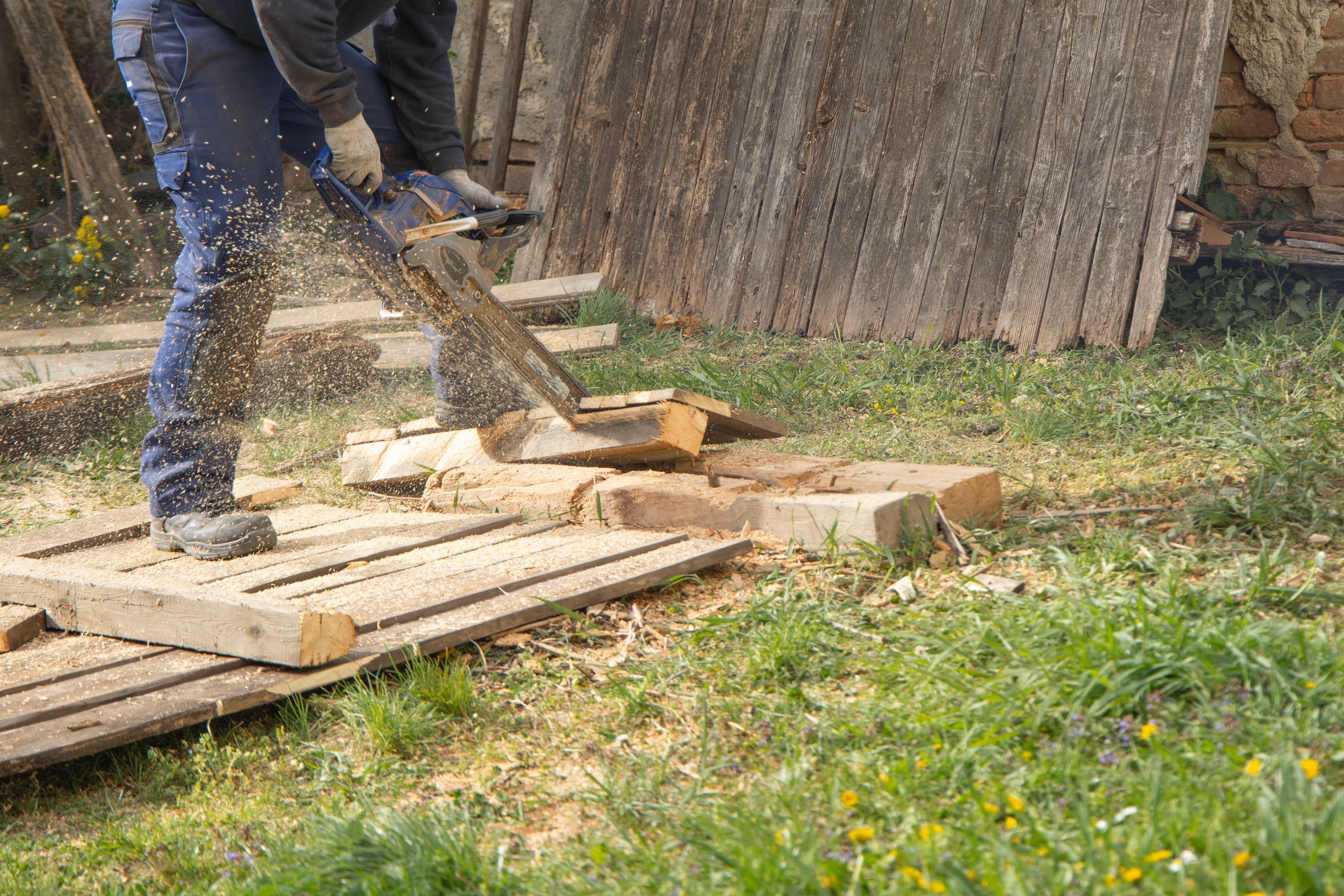
Worker using a chainsaw to cut and remove old wooden fencing outdoors, with sawdust flying around the work area.
The Installation Process

How We Handle Old Fence Removal: Our Clean Process Explained

How Fence Boys handles old fence removal in Columbus — post extraction, concrete footing removal, responsible disposal, and full site cleanup before your new fence goes in.
Worker measuring wooden fence boards with a tape measure during residential fence installation in a backyard
Fencing

Fence Terminology Decoded: A Visual Guide for Homeowners

A plain-language guide to fence terminology — from posts and rails to frost lines and pressure treatment grades. Everything you need to follow contractor conversations with confidence.
Workers installing a wooden fence outdoors, positioning support posts and securing the frame during the construction process.
The Installation Process

What to Expect on Fence Installation Day with Fence Boys

A practical guide to fence installation day in Columbus — what to prep beforehand and what Fence Boys does from morning walkthrough to final cleanup.
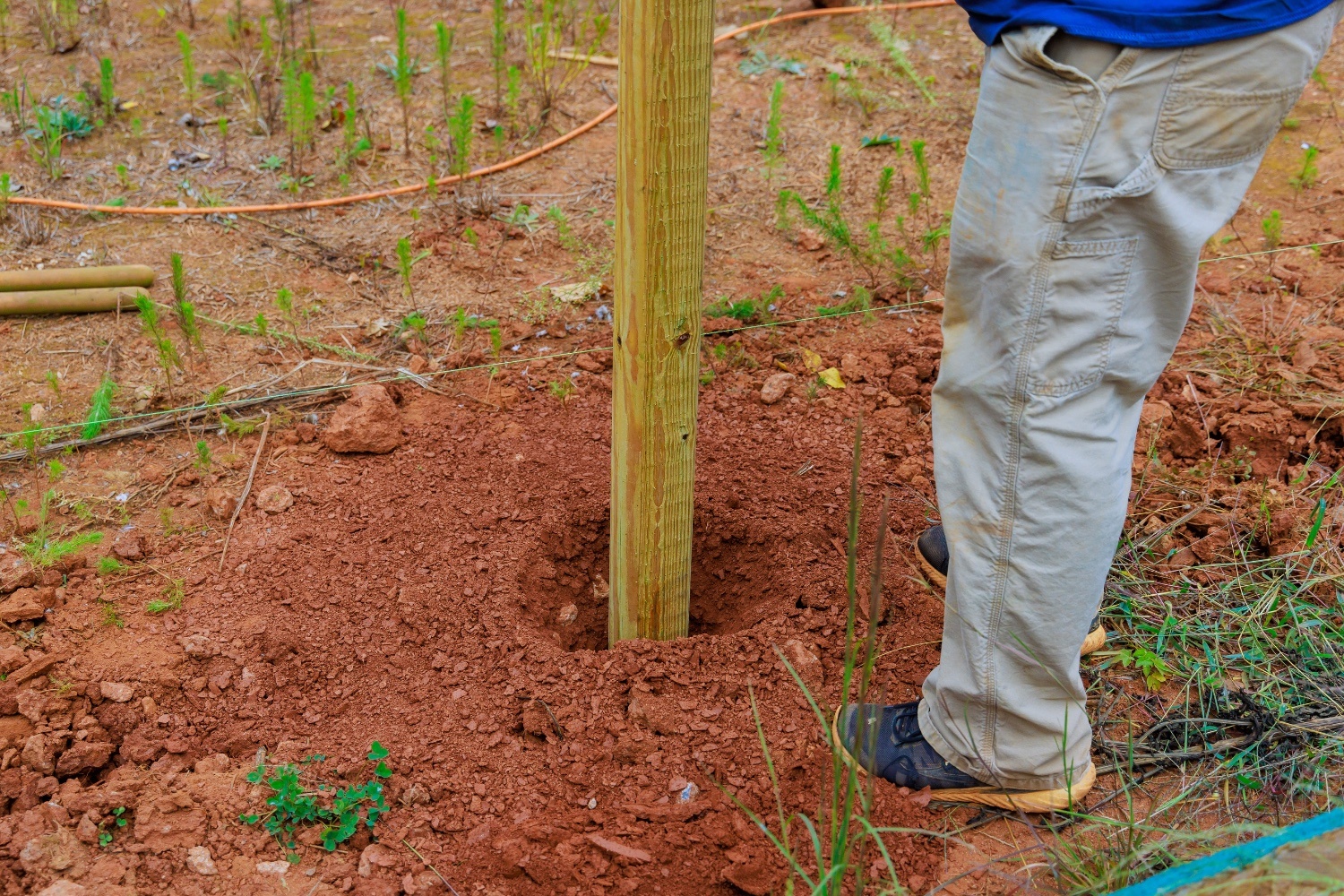
A wooden post is being set into a deep, freshly dug hole in red soil.
The Installation Process

Why Post Depth Matters: The Foundation of a Long-Lasting Fence

Why post depth is the single most important factor in fence longevity and what Fence Boys does differently to make sure Columbus installations hold up through Ohio's winters.
Hand applying wood stain to a cedar fence with paintbrush against blue sky
Maintenance

Complete Wood Fence Maintenance Guide: From Installation to Maximum Lifespan

Generic 'stain every 2 years' advice destroys fences. Learn the timing windows and seasonal care that take wood fences from 15 to 30+ years.
Close-up of a fence quotation form with pen, calculator, and reading glasses on a desk
Choosing Your Materials

What Actually Affects Your Fence Cost in Columbus (Beyond Just the Material)

Why do two quotes for the same fence vary by thousands? Slope, soil, gate count, and board spacing all shift the number more than material choice.
Calendar with pinned dates representing a fence installation project timeline
The Installation Process

The Fence Installation Timeline: What to Expect from Quote to Completion

The fence installation timeline typically runs 4-6 weeks when things go smoothly. Learn what happens at each phase and how to plan around it.
Fence Boys crew member working on a residential wood fence installation in Columbus
The Installation Process

Why Fence Boys' Process Stands Out from Other Columbus Fence Contractors

Discover what separates professional fence contractors in Columbus. Learn the standards you should expect from pricing to installation and cleanup.
Red cedar privacy fence installed in a residential backyard
Fencing

Western Red Cedar vs. Pressure-Treated Pine: Which Wood is Right for Your Fence?

Comparing red cedar fence and pressure-treated pine? Learn the differences in lifespan, maintenance, and long-term value. Get a free quote from Fence Boys.

Experience The Fence Boys

Request a Quote
Sign up for updates
Thank you! Your submission has been received!
Oops! Something went wrong while submitting the form.
Navigation
HomeAboutServicesLocationsFAQBlogContact
Service Areas
Bexley
Canal Winchester
Dublin
Gahanna
Grove City
Hilliard
+ More
Services
Decorative Metal FencingVinyl FencingWood Fencing
contact
1509 Blatt Blvd Unit 6106, Gahanna, OH 43230support@fenceboys.com(614) 412-4281
© 2026 Fence Boys. All Rights Reserved.
Request a QuoteCall Us