Choosing Your Materials
Top Fence Designs for Columbus Homes: From Modern to Traditional
A guide to modern and classic fence designs for Columbus homeowners, covering style options by architecture and how to choose the right fit.
A guide to modern and classic fence designs for Columbus homeowners, covering style options by architecture and how to choose the right fit.

There are more fence design options than most homeowners expect. What looks like a simple choice — wood or vinyl, tall or short, open or private — turns into a much more interesting decision once you start looking at what's actually out there. Style, material, height, and finish all factor in, and the right combination looks different depending on your home's architecture, your neighborhood, and how you plan to use your yard.
Columbus is a city with a lot of architectural variety. Ranch homes in Westerville sit a few miles from Victorian-era houses in German Village, and newer builds in Powell look nothing like the Craftsman bungalows in Clintonville. That variety means there's no single right answer when it comes to fence designs, but there are styles that fit certain homes better than others.
We've helped homeowners across Columbus work through these decisions. This guide covers the most popular modern and classic styles, what each one works best for, and how to find a fence design that feels like it belongs with your home.
The right fence design comes down to three things: your home's architecture, your neighborhood's character, and how you plan to use your yard. Modern homes tend to suit horizontal slats, black metal, or mixed wood and steel. Traditional and historic homes pair better with picket, shadowbox, or ornamental iron. Columbus neighborhoods vary enough that what works in Powell may look out of place in German Village, so local context matters as much as personal preference.
Fences mark where your property begins and ends, but they also shape how your home looks from the street. The right fence design feels like a natural extension of the house. It frames the yard without calling attention to itself.
Most homeowners want privacy, security, or both. With so many types of fences available, you don't have to choose between function and style. The right fence handles both.
Columbus neighborhoods each have their own character, and that's worth keeping in mind when you're choosing a style. German Village leans toward historic wrought iron and decorative pickets. Newer suburbs like Powell and New Albany tend to favor clean privacy fencing. Your backyard fencing should fit the home and the neighborhood around it.
Modern fence designs tend to share a few common traits: clean continuous lines, minimal ornamentation, horizontal board layouts, and bold material choices like black metal or mixed wood and steel.
These styles pair well with contemporary homes, mid-century modern architecture, and updated ranches. They're becoming more common in Columbus, particularly in infill neighborhoods where newer construction sits alongside older homes. The three styles below represent the most popular directions in modern fencing right now.
Horizontal boards create a sleek, elongated look with lines running sideways rather than up and down. This makes yards feel wider and gives the fence a distinctly modern feel. It reads as the opposite of a traditional picket or stockade fence.
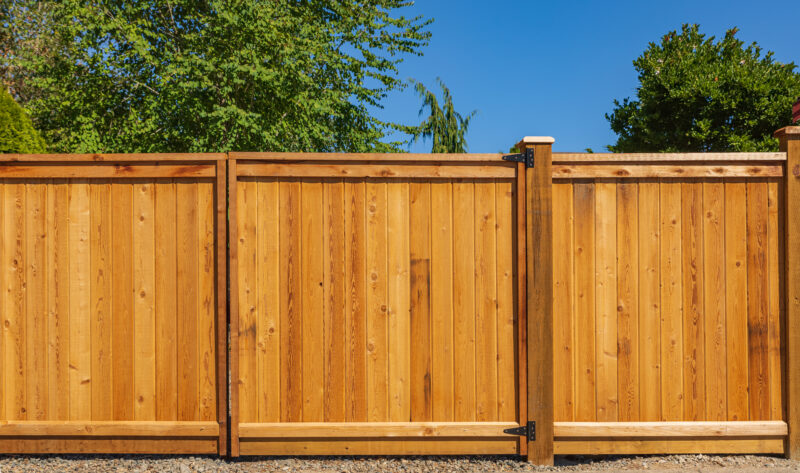
Cedar is the most popular choice for its warm natural finish and the way it ages gracefully over time. Composite is another option that provides a similar appearance with less upkeep.
Spacing gives you control over privacy. A tight layout offers complete coverage, while slight gaps let air and light pass through without losing separation. Board width changes the character of the fence too. Narrow slats feel refined and tailored, while wider planks lean bold and contemporary.
This style works well alongside modern landscaping, concrete patios, and metal accents.
Black powder-coated metal creates a sharp contrast against greenery and lighter exterior colors. It reads as sophisticated without feeling heavy or cold.
Aluminum is the more common choice. It's lightweight, naturally rust-proof, and needs very little upkeep over time. Steel is heavier and more secure, but it requires more attention to prevent rust in Ohio's wet seasons. Both materials come in a range of styles, from clean flat-top designs to more ornamental versions with finials and arched tops. The flat-top styles suit modern homes well, while ornamental designs also work on historic properties.
This fence is a natural fit around pools, on urban lots, or anywhere you want a defined boundary without blocking sightlines.
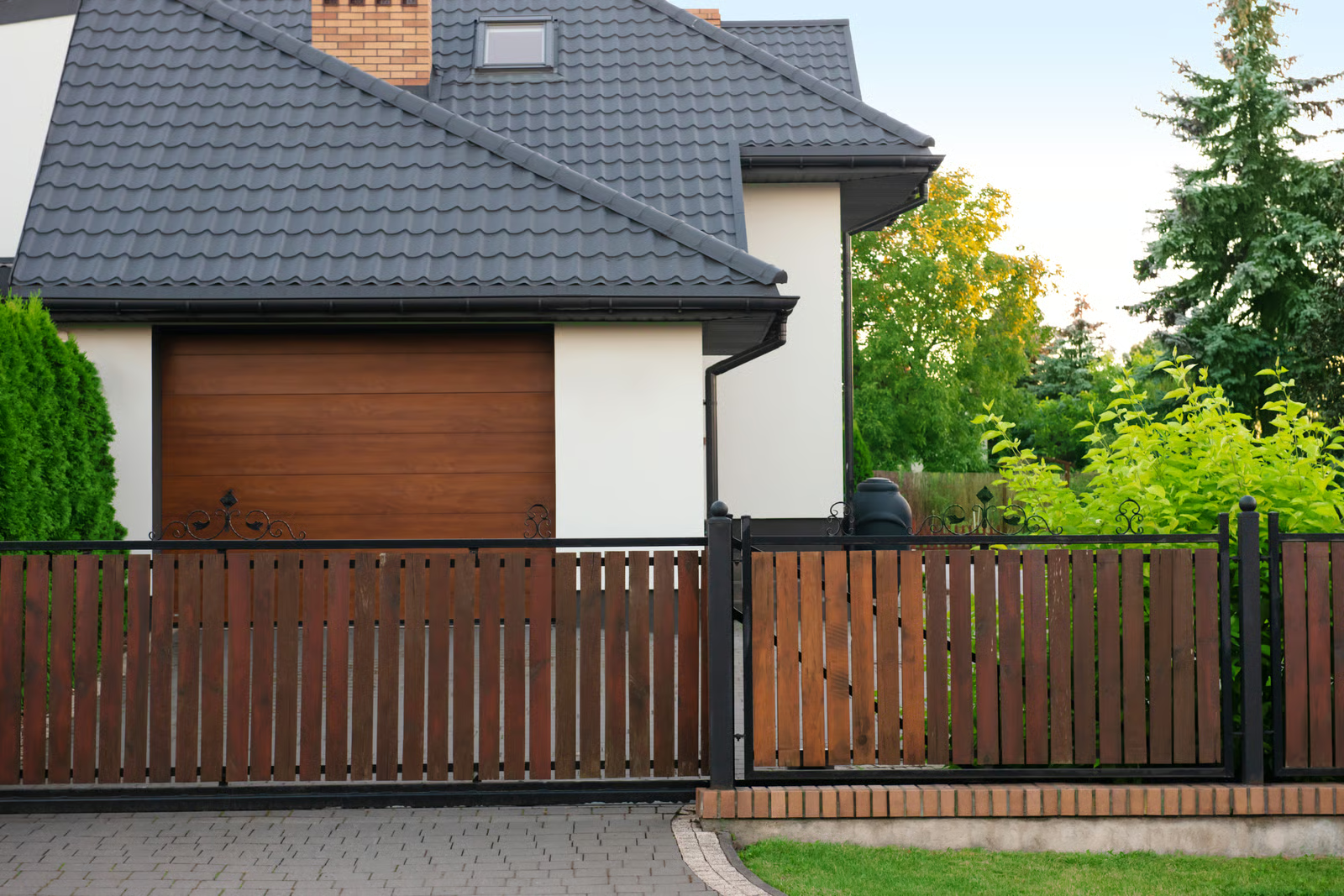
Combining wood and metal is one of the more popular directions in fencing right now. You get the warmth of natural wood with the structure and longevity of a metal frame.
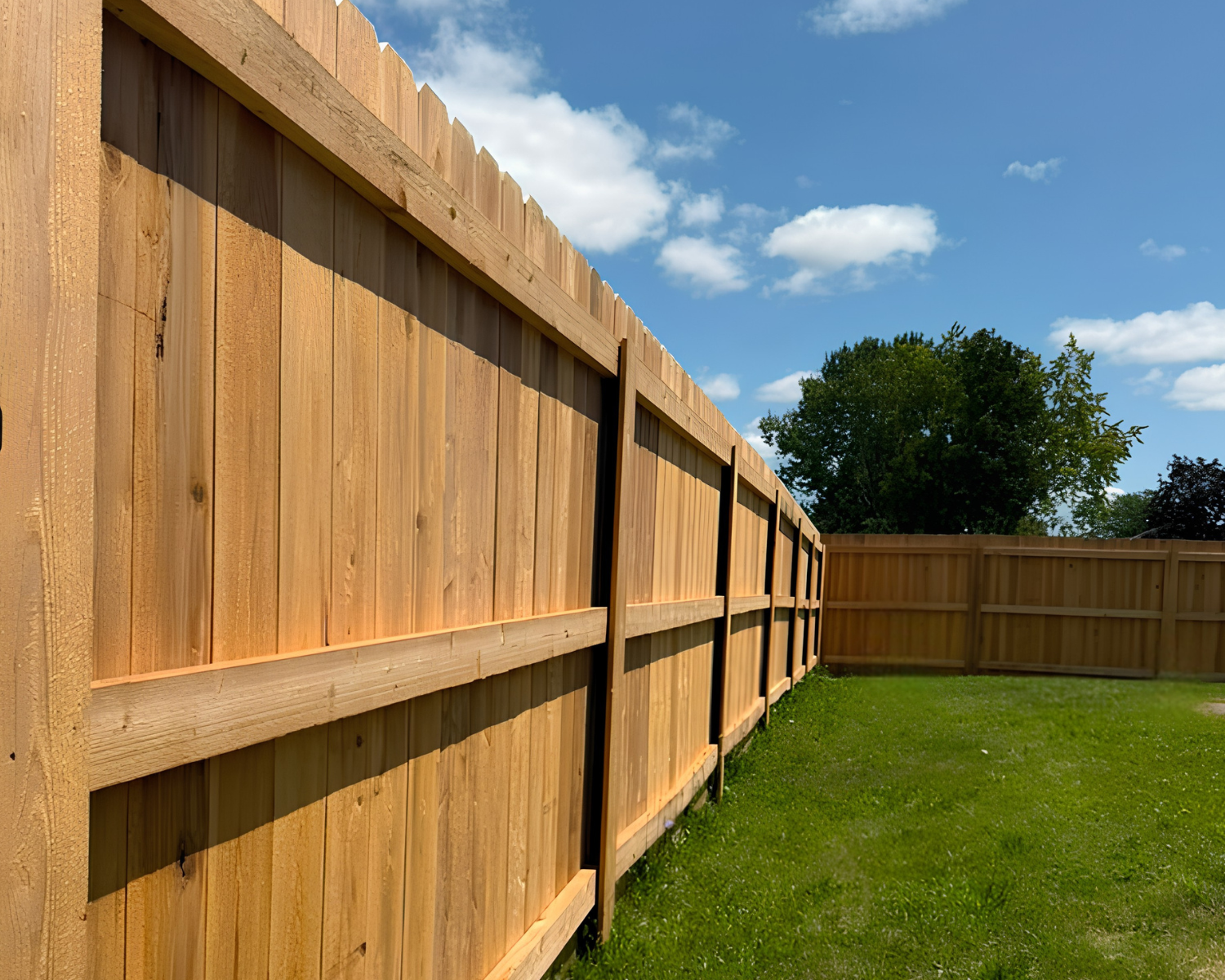
The most common combination is horizontal cedar or redwood slats set in a powder-coated steel frame. The metal keeps the lines straight and prevents the wood from warping over time. It also keeps wood off the ground entirely, which helps the fence last longer and reduces maintenance.
This style suits tiered yards, unique property layouts, and homes that don't fit neatly into modern or traditional categories. It draws from both without committing fully to either, which makes it a flexible choice for Columbus properties with distinct character.
Traditional fence designs stay popular in Columbus because they fit so well with the character of established neighborhoods. They complement older architecture without looking dated, and they tend to age well alongside the homes they frame.
There are more variations available today than there used to be — in material choices, finish options, and profile details — giving homeowners room to put their own touch on timeless styles. The four styles below are the most common in Columbus and the most requested at Fence Boys.
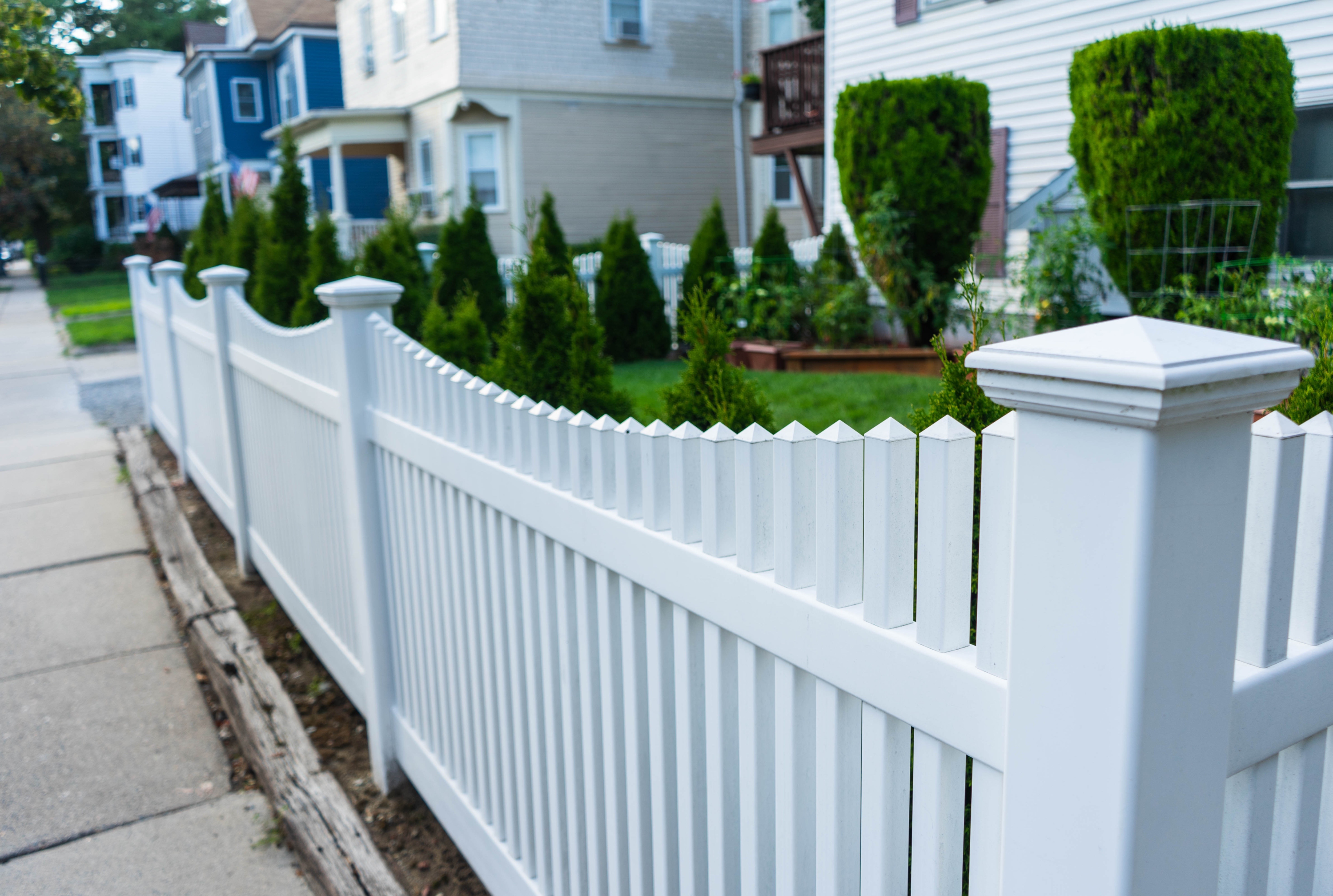
The picket fence is the classic American choice: low, open, and welcoming. It typically stands 3 to 4 feet tall, making it a natural fit for front yards and garden borders.
Picket top styles vary more than most people realize, and each one reads differently depending on the home's architecture:
White paint is the classic finish, but it's not the only option. Stained wood and darker finishes have become popular for homeowners who want a more updated take on the style.
For material, cedar and redwood hold up best over time. Pressure-treated pine costs less upfront but needs more regular upkeep to stay looking good.
A backyard fence doesn't have to be tall to make an impact. Picket fences define space without closing it off, which is part of what makes them one of the most enduring types of fences around.
Split rail fences have a rustic, open look. Rails slot into posts with minimal hardware, and they're built to weather naturally and improve with age.
This style works well for large properties, rural lots, or front yards where the goal is marking a boundary without blocking the view. It's one of the more low-maintenance wood options since there's no solid panel to seal, stain, or repair section by section.
If you have pets, wire mesh can be added to the inside of the fence. Welded wire and vinyl-coated options stay nearly invisible while keeping dogs contained.
Split rail won't give you privacy, but for properties where that's not the priority, it's a practical and good-looking choice.
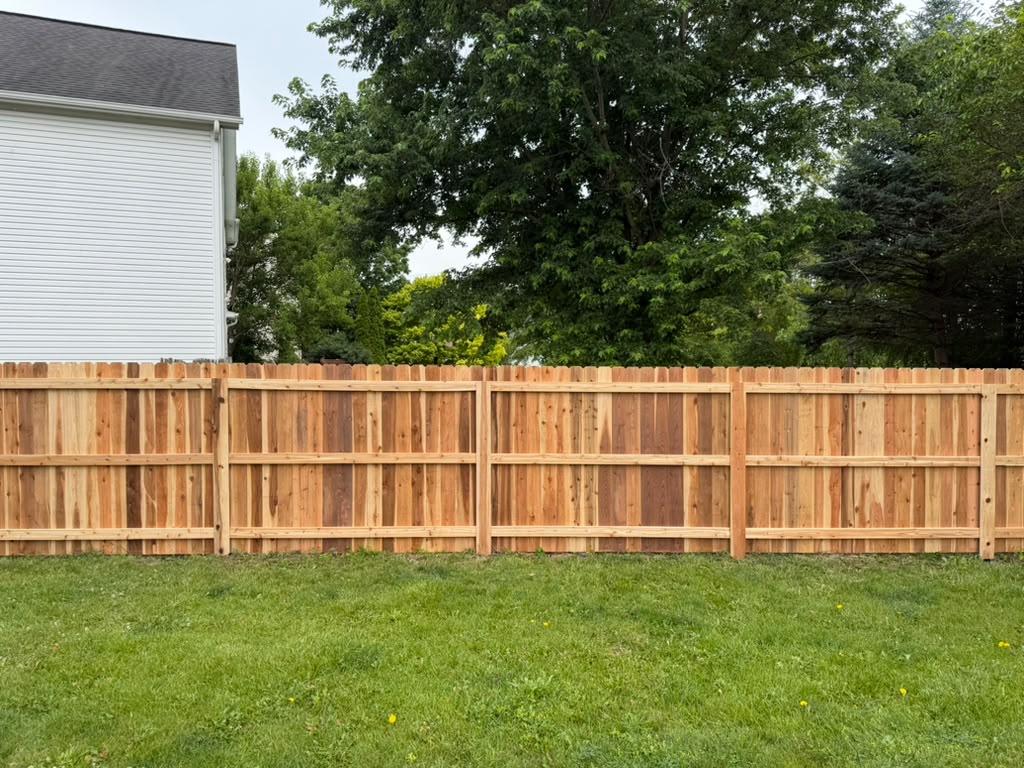
Shadowbox fences use alternating boards on opposite sides of the rails, which creates the same finished look from both sides. Your neighbor sees what you see. There's no back of the fence, which is why this style is sometimes called a "good neighbor" fence.
Viewed head-on, it looks solid and offers strong privacy. At an angle, light and air pass through the gaps between the alternating boards. Those gaps also allow wind through, making this style more resistant to storm damage than a solid stockade fence.
It's a popular choice in family neighborhoods and on shared property lines where both sides want an attractive view. Vertical boards give it a traditional feel, while horizontal boards push it in a more modern direction.
This style combines solid panels at the bottom with decorative lattice on top. You get privacy where it counts, with light and airflow above.
A common setup is 4 feet of solid fencing with 1 to 2 feet of lattice on top. The proportions can be adjusted based on how much coverage you want.
Lattice patterns range from classic diagonal to square grid to more detailed designs. Post caps — whether pyramid, ball-top, or flat — add a finishing touch and change the overall feel slightly depending on which you choose.
The lattice section doubles as a trellis. Climbing plants like roses, clematis, and jasmine grow well on these fences, which adds color and softness to the structure over time.
This style is a natural fit for Victorian homes, cottage gardens, and properties where privacy and a bit of visual detail go hand in hand.
With so many fence designs to choose from, how do you narrow it down? Start with your home's architecture. Different types of fences suit different house styles:
Proportion matters alongside style. A tall privacy fence can overwhelm a single-story ranch. A low picket fence can look lost next to a large two-story home. The fence should feel balanced with the house it's framing.
Placement is worth thinking through as well. Front yards tend to call for lower fences that feel open and welcoming. Backyards can go taller where privacy is the priority.
Color is another way to tie the fence to the rest of the property. White trim pairs well with a white vinyl fence. Black shutters work nicely with black aluminum. Homes with natural wood siding tend to look cohesive with stained cedar.
The best fence styles for Columbus homes are the ones that fit your house, your neighborhood, and how you plan to use your yard.
Privacy fencing is the most common choice overall. In the suburbs, 6-foot wood or vinyl panels are standard. Shadowbox and board-on-board styles are popular for their "good neighbor" appeal. In urban infill neighborhoods, horizontal slat fences are trending. Historic areas tend to favor ornamental iron and classic picket styles.
Board-on-board fences offer the most complete coverage since the overlapping boards eliminate gaps. Solid stockade and shadowbox fences also provide strong privacy when viewed head-on. Horizontal slat fences can work too, depending on how tight the spacing is. Picket, split rail, and aluminum fences define boundaries but won't block sightlines.
Start with your home's era and design language. Contemporary homes tend to suit horizontal slats, black metal, or mixed materials. Colonial, Craftsman, and Cape Cod homes pair well with picket or shadowbox styles. Victorian and historic properties often look best with ornamental iron or Gothic picket designs. When in doubt, look at what your neighbors with similar homes have chosen.
Yes. Combining wood and metal is increasingly popular. A common setup is cedar or redwood slats in a powder-coated steel frame. The metal keeps lines straight and prevents warping, and it keeps wood off the ground which helps the fence last longer.
Not necessarily. Material matters more than style. Aluminum and vinyl need very little upkeep regardless of design. Powder-coated metal frames can actually protect wood components and reduce overall maintenance compared to an all-wood build.
The question we hear most often is some version of "what would you put on your own property?" The honest answer is that it depends on the house. A horizontal slat fence that looks sharp on a contemporary ranch can feel out of place on a Victorian-era home two streets over. The architecture should drive the decision more than any trend.
What we do recommend to every Columbus homeowner, regardless of style, is thinking about the fence as part of the property rather than something added on top of it. The best outcomes we see are when the fence style, material, and finish feel continuous with the home. That usually means looking at your trim color, your siding, your landscaping, and your neighborhood before settling on anything. A little time spent on that upfront saves a lot of second-guessing later.
Picking a fence design is the first step. The next is making sure it's built right for your property, your lot's layout, and how you plan to use the space.
At Fence Boys, we help Columbus homeowners find the right style for their home. We'll walk your property, talk through your options, and help you find something you'll be happy with for years. Whether you're leaning toward modern horizontal lines or classic backyard fencing, we build to fit your style and your space.
Ready to Find the Right Fence Design for Your Columbus Home?
Tell us about your home and yard — we'll help you find a style that fits.
Get a Free Quote
.jpeg)
.jpg)
.jpg)



.jpg)
.jpeg)

.jpg)










.jpeg)