Planning Your Project
Child-Safe Fence Options for Family Properties
A practical guide for Columbus homeowners on choosing a child-safe fence, covering materials, essential safety features, and how your child's age should shape the decision.
A practical guide for Columbus homeowners on choosing a child-safe fence, covering materials, essential safety features, and how your child's age should shape the decision.

For most homeowners, a fence marks a property line and adds some privacy. When you have children, it takes on one more job: giving them a safe, defined space to play. That shift in purpose changes the priorities of what to look for when choosing one.
Material is part of the decision, but it's only one piece of a child-safe fence. Spacing, rail direction, gate hardware, and post integrity all play a role in how well a fence holds up as a safety barrier over time. The right combination of those details is what makes the difference between a fence that looks safe and one that actually is.
This guide covers which materials hold up best around children, the features that matter regardless of material, and how your child's age should shape the decisions you make.
The material matters, but the details matter more. Picket spacing, rail direction, gate hardware, and post depth are what determine how well a fence actually protects your children day to day. In Central Ohio, soil conditions and code requirements that vary by suburb add another layer to get right before installation begins.
Most parents start with material and height, and that's a reasonable place to begin. But a safe fence for families has a few more layers to work through before you finalize any decisions.
Picket spacing is one of the first things a professional installer thinks about. Openings that are too wide create a head entrapment risk for young children, and keeping gaps narrow is the baseline for any fence installed around kids. Beyond that, several other details come up on every family yard we work on.
These details don't always come up in a first conversation, but they're good ones to raise before installation begins.
Choosing a child-friendly fence material starts with appearance and upfront cost, but those are only part of the picture. How a material holds up through Ohio winters, summer heat, and years of daily use matters just as much, especially when children are in the equation.
| Material | Safety Strengths | Things to Know |
|---|---|---|
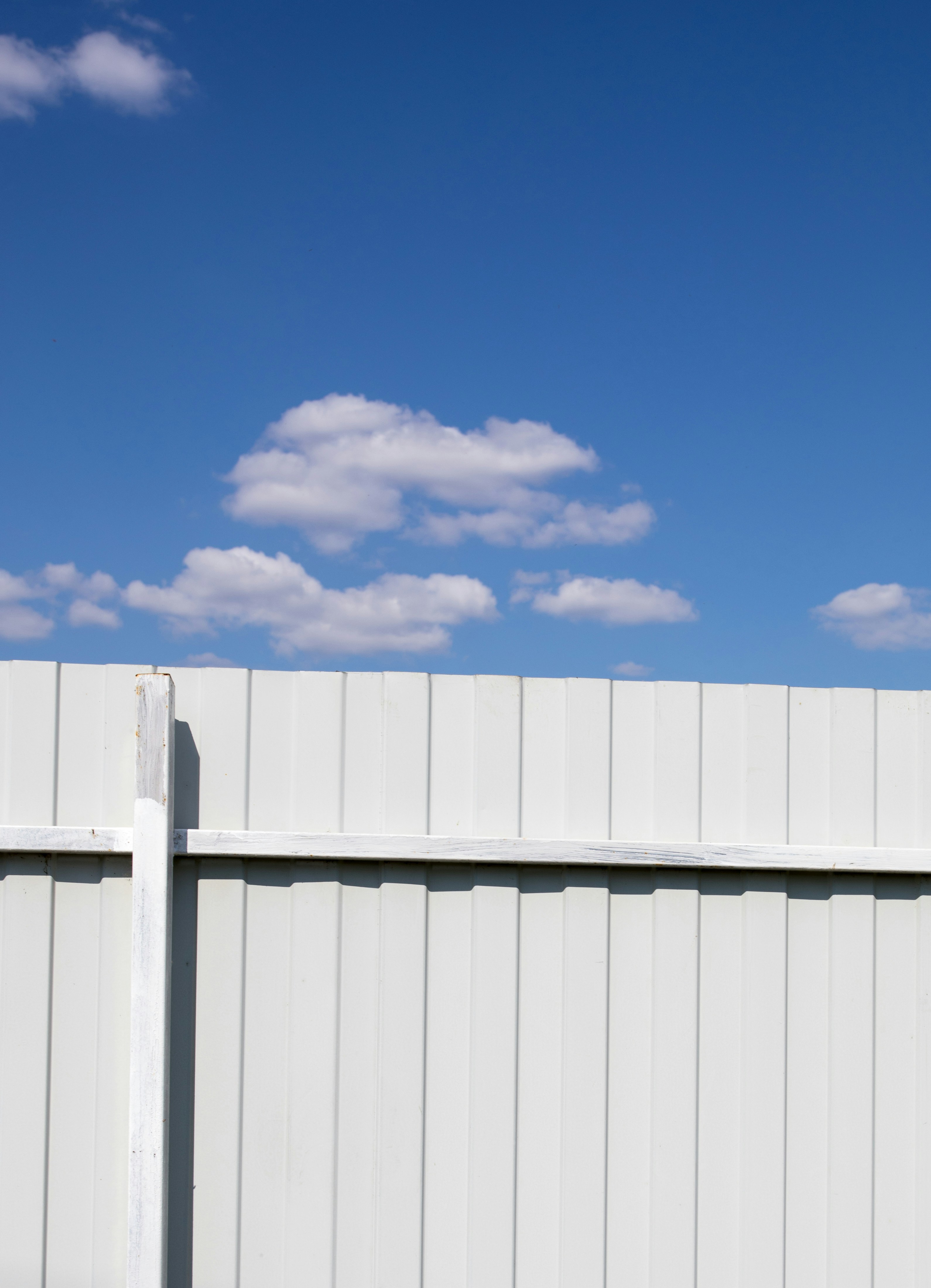
| Vinyl | Smooth surfaces, no splinter risk, no chemical treatments | Can become brittle in extreme cold, though rare in Ohio conditions |
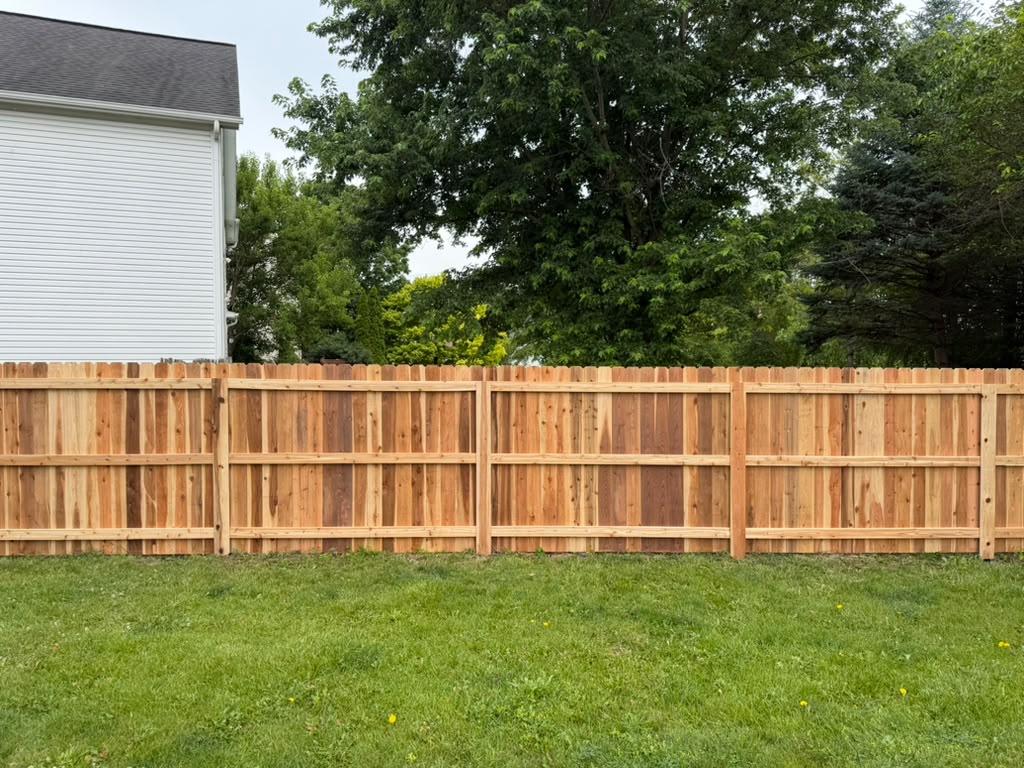
| Wood | Natural look, widely available | Requires regular maintenance to prevent splinters and loose boards over time |
| Aluminum | Durable, long lifespan, no chemical treatments | Metal surfaces absorb heat in direct summer sun |
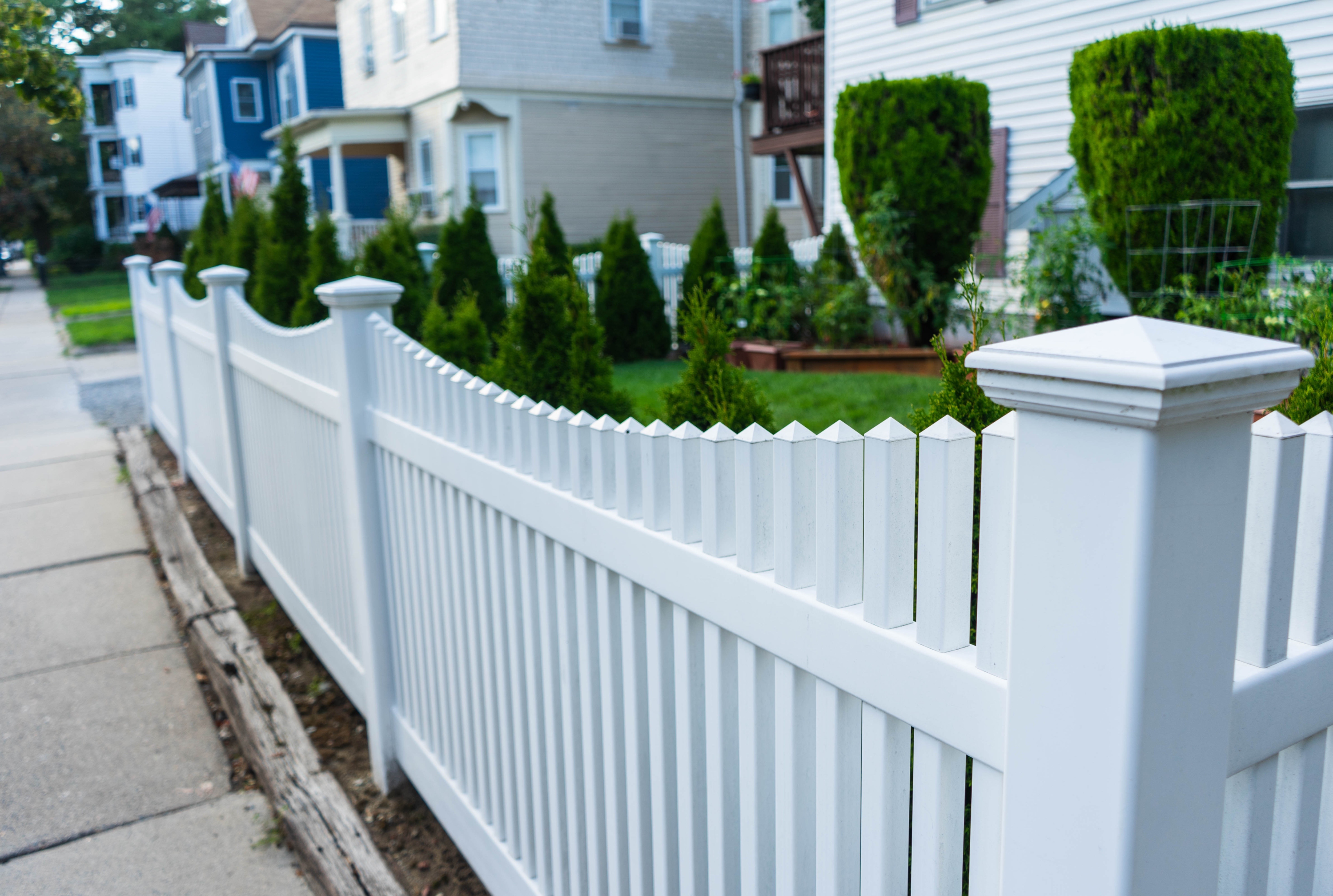
Vinyl is the most forgiving option around young children. Surfaces stay smooth over time, there's no splinter risk, and it needs no chemical treatments. It also holds its shape through Ohio's freeze-thaw cycles, which prevents the gaps and uneven surfaces that can develop with materials that shift seasonally.
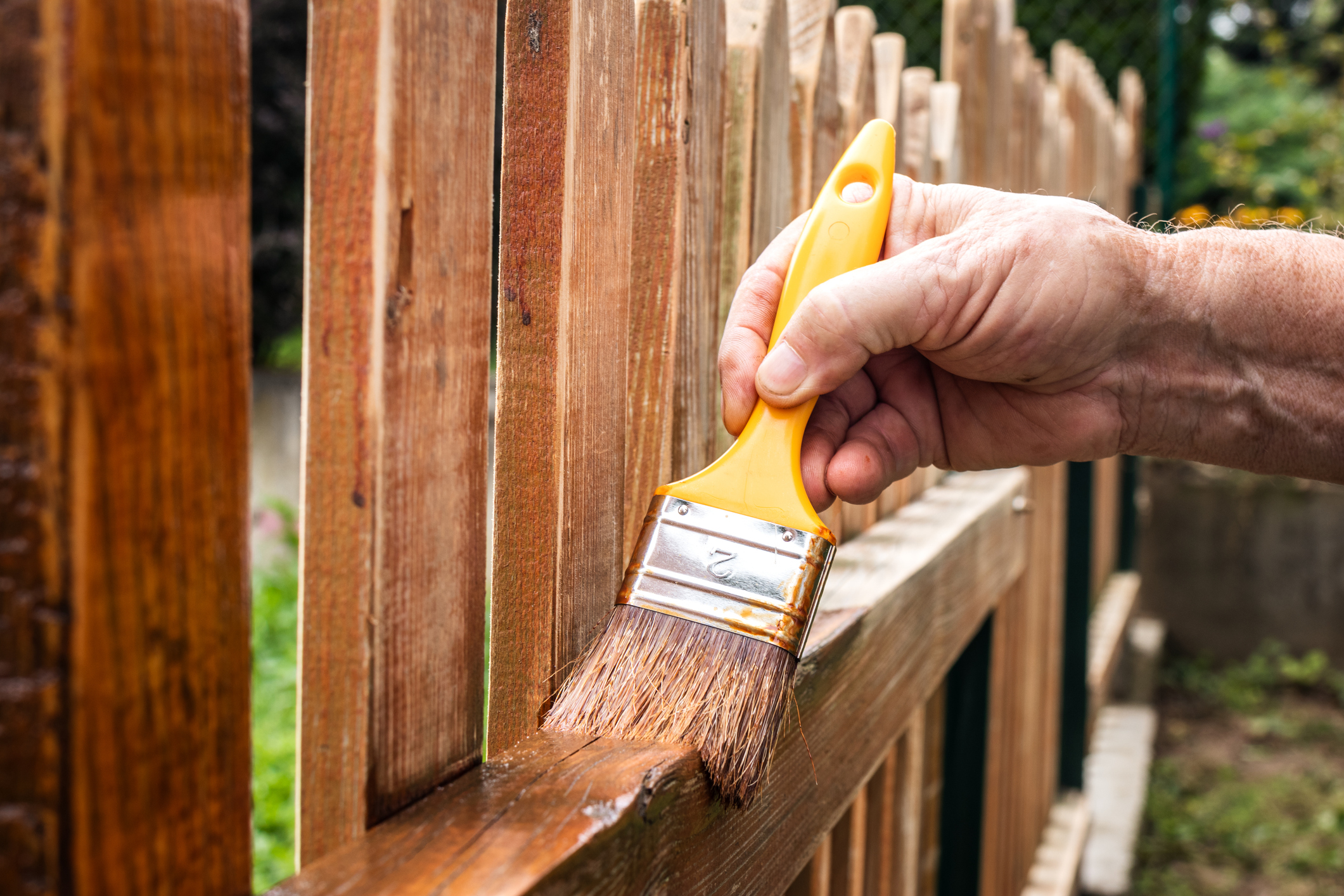
Wood is a good choice when it's maintained. Surfaces that start smooth can develop splinters after a few seasons without upkeep, and boards can loosen over time. The key with wood is staying ahead of that maintenance rather than catching up to it.
Aluminum is durable and low-maintenance, but metal surfaces absorb heat in direct sun. If young children spend time near the fence line in warmer months, that's something to factor into your placement decisions.
Any of these materials can work well in a family yard. The right choice depends on your property, your children's ages, and how much ongoing maintenance you want to take on.
Material choice is a good starting point, but these essential safety features apply regardless of what your fence is made from. Each one plays a role in how well the fence actually protects your children day to day.
A fence that gets all five of these right will hold up through years of daily use without creating new risks as your children grow.
Children's physical abilities change fast, and a fence that works well for a toddler may not be enough for a school-age child. Thinking through age-based fence safety before installation saves you from having to revisit those decisions a few years down the road.
| Age Group | What to Know | What It Means for Your Fence |
|---|---|---|
| Toddlers (2–3) | Curious, mobile, and drawn to openings and moving parts | 5-foot minimum height, high gate latches, close supervision |
| Preschool (4–5) | Developing climbing ability, not yet consistent with rules | 5-foot or taller, regular checks on fence integrity |
| School Age (6–12) | Stronger and more capable climbers, especially in groups | 6-foot height, smooth surfaces that limit grip |
If your household includes children across multiple age groups, plan for the oldest child's abilities. A height that works for a toddler is a manageable climb for a ten-year-old. Building for your most capable child protects everyone.
A fence installed today should still be doing its job five or ten years from now. Keeping your children's ages and abilities in mind at the planning stage is the easiest way to make sure it does.
The safety features that matter most for children are also the ones most affected by how a fence is installed. Picket spacing, gate hardware, post depth, and rail placement all come down to precise execution in the field.
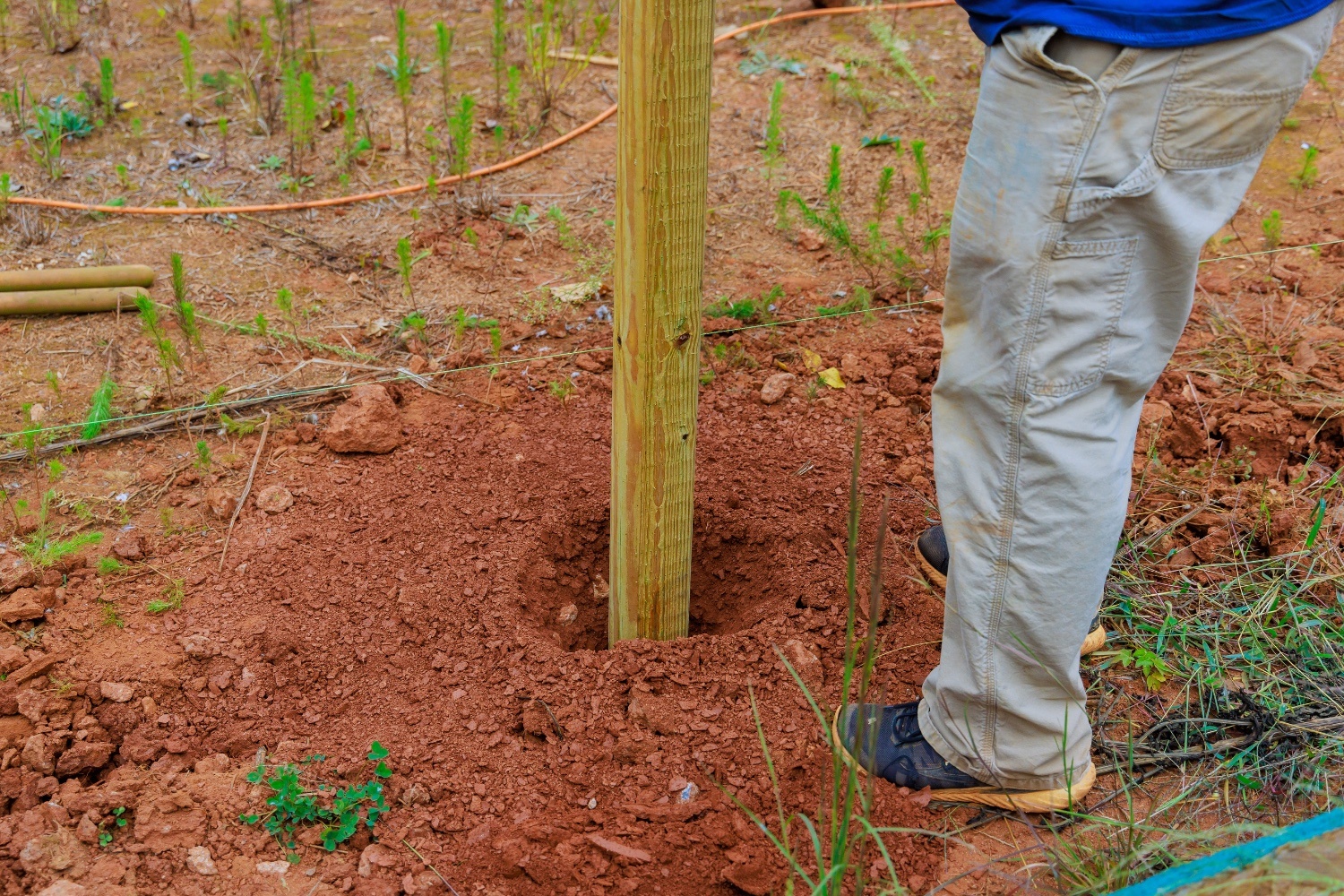
Post depth needs to account for your specific soil conditions. In Central Ohio, that means working with clay-heavy ground that shifts more than most homeowners expect through freeze-thaw cycles. Gate hardware needs to be set correctly from the start so self-latching mechanisms work consistently through daily use and seasonal changes. Code requirements also vary across Columbus suburbs, and what applies to your property isn't always obvious without local experience.
Getting those details right the first time is what we focus on for every family yard we install.
Vinyl is generally the most forgiving option around young children. It stays smooth over time, doesn't splinter, and requires no chemical treatments. Any material can work well in a family yard when it's installed correctly and maintained over time, but vinyl asks the least of you as the fence ages.
A 5 to 6-foot fence gives you a meaningful safety margin for most age groups. If you have school-age children who are strong climbers, 6 feet is the more reliable choice. Minimum code requirements vary by Columbus suburb, so checking with your local municipality before you finalize height is always a good idea.
Yes, and the hardware details matter as much as the gate itself. Gates should close and latch automatically from any position, with the latch sitting high enough to stay out of reach for young children. That combination keeps the gate reliable without depending on anyone to remember to close it after every use.
Once a year is a reasonable starting point, with a quick check after any major storm. Look for loose boards, shifting posts, and worn gate hardware. Small issues are much easier to address early before they affect how the fence performs.
Most styles can work well with the right specifications. The details that matter most are picket spacing, rail placement, and gate hardware. Style is secondary to getting those fundamentals right. A board-on-board privacy fence and a classic picket fence can both be safe for children when those fundamentals are handled correctly.
For most family yards in Columbus, we lean toward vinyl as the starting point. It holds up through Ohio's freeze-thaw cycles without shifting, stays smooth over time, and doesn't ask much of you once it's in. Those qualities matter more when children are in the picture, and they matter more in Central Ohio than in climates with milder winters.
That said, material is only part of the conversation. When we install a fence for a family yard, we pay close attention to picket spacing, rail direction, gate hardware calibration, and post depth specific to your soil conditions. Those details don't show up in a photo, but they're what determine how the fence performs over time.
If you have children across multiple age groups, we typically recommend planning for the oldest child's abilities and building in a height that gives you room as they grow. A fence that's right for your family today should still be right for your family five years from now.
A child-safe fence comes together through the right material, the right features, and the right installation. None of those elements works as well in isolation as they do together, and that's what we keep in mind on every family yard we work on.
We think about what a fence needs to do not just on installation day, but a few years from now when your children are older and more capable. That longer view is how we make sure what we build for your family actually holds up.
If you're planning a fence and want to talk through what makes sense for your property, we're happy to help.
Ready to build a safer yard for your family?
Fence Boys installs child-safe fences across Columbus — with the right specs, hardware, and post depth to hold up for years.
Get a Free Quote

.jpg)
.jpeg)
.jpg)









.jpeg)