Why Fence Quotes Vary So Much: Hidden Costs and Corner-Cutting to Watch For
If you've gotten more than one fence quote and found yourself staring at very different numbers for what looks like the same project, you're not alone. Significant price variation between contractors is common, and it's not always easy to tell what's actually driving the difference.
Sometimes it comes down to material quality. Sometimes it's installation methods. Sometimes costs that one contractor includes upfront are left out of another's quote entirely. Understanding what's behind those numbers makes it a lot easier to compare quotes accurately and choose a contractor with confidence.
This guide breaks down:
- Where contractors make different choices that affect long-term performance
- Costs that don't always show up in the initial quote
- What to look for when comparing estimates side by side
At a Glance
Significant variation between fence quotes is common, and it usually comes down to differences in material grade, installation method, and what's included in the base price. A quote that specifies post depth, concrete method, and material grades gives you a much clearer picture of what you're actually being offered than one that uses general language. Costs like permits, property surveys, and cleanup don't always show up in an initial number. Local conditions like Ohio's frost line and clay soil also affect what a thorough installation actually requires. Understanding these factors makes it easier to compare quotes accurately and choose a contractor with confidence.
Where the Differences Between Quotes Actually Come From
When two fence quotes look similar on the surface but come in at very different prices, the gap usually lives in the details. Material grade and installation method are the two areas where contractors make different choices that directly affect how a fence performs over time.
Material Grade
The same material category covers a wide range of quality. Cedar fencing, for example, comes in different grades. Higher grades have tighter grain and fewer knots, which means better longevity and less frequent maintenance. Lower grades cost less upfront but tend to require more attention over time. The same principle applies to vinyl fencing and decorative metal fencing: wall thickness, coating quality, and hardware grade all vary between products that might be described the same way in a quote.
Asking for specific material grades and product details before comparing quotes gives you a much clearer picture of what you're actually being offered.
Installation Method
Material quality only matters as much as the installation behind it. A few areas where installation standards vary:
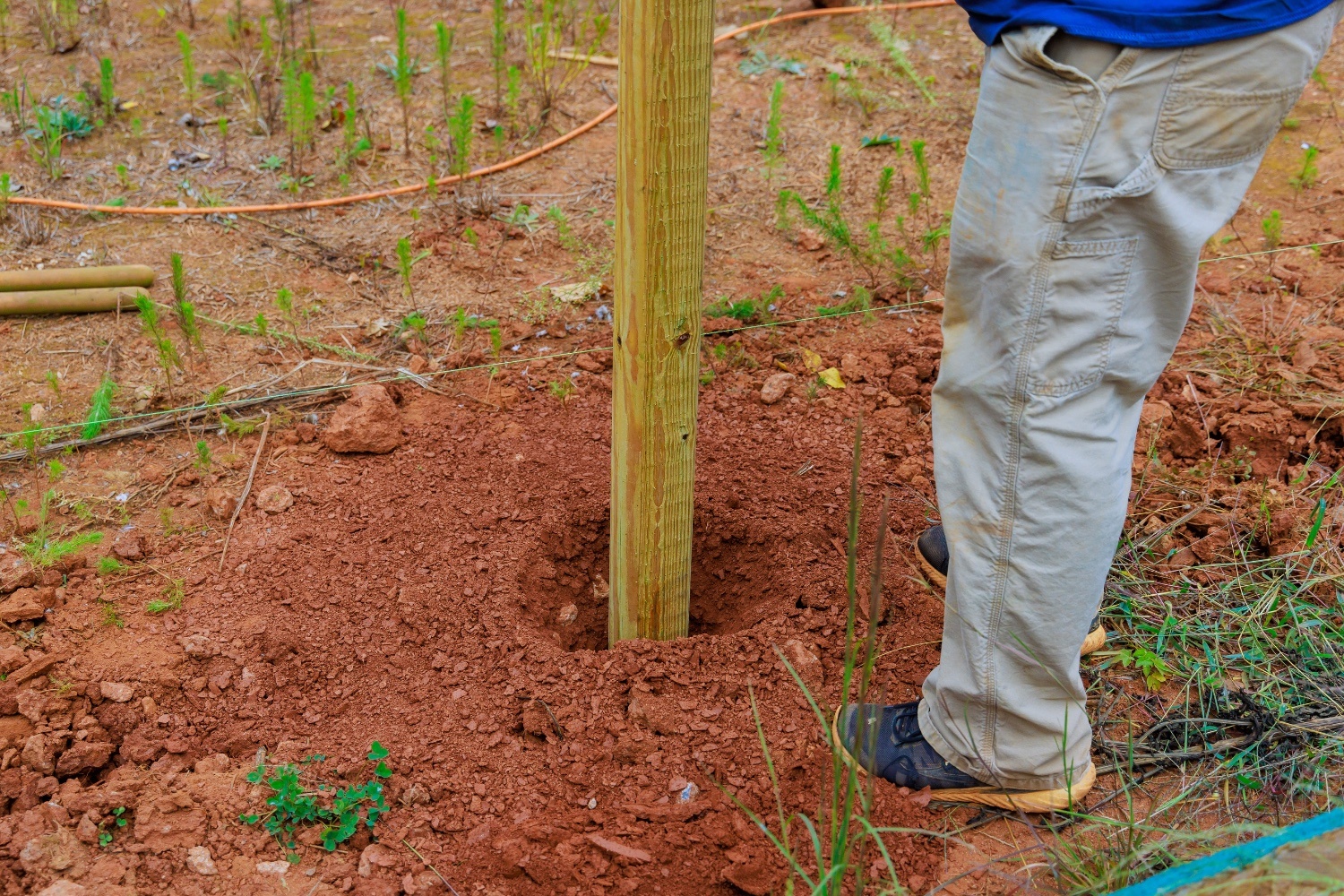
- Post depth — Posts set too shallow are more vulnerable to shifting from freeze-thaw cycles. Columbus area frost line requirements exist for good reason, and proper depth is one of the most important factors in long-term fence stability.
- Concrete setting method — How posts are set in concrete affects stability over time. Not all methods perform equally in Ohio's soil conditions.
- Post spacing — Wider spacing reduces material costs but can affect how well the fence holds up to wind and lateral pressure over time.
- Gate hardware — Gates take more stress than any other part of a fence. Hardware grade makes a real difference in how long a gate functions properly.
Costs That Don't Always Show Up in the Initial Quote
A lower quote isn't always a better deal. Some costs that belong in any honest estimate get left out, either because the contractor hasn't accounted for them or because they'll be added later as the project moves forward.
Permits and Surveys
Permits are required for most fence installations in the Columbus area, and the cost should be included in any complete quote. If it isn't listed, it's a reasonable thing to ask about. The same applies to property surveys. A contractor who skips confirming property lines before installation puts you at risk of building in the wrong location, which is a much more expensive problem to fix after the fact.
Utility marking is also part of any responsible pre-installation process. In Ohio, contractors are required to call 811 before digging. If a contractor doesn't mention this step, that's a reasonable thing to bring up.
Change Orders
Change orders are a normal part of construction, but they're worth paying attention to. Site conditions like rocky soil, drainage issues, or access challenges can affect installation costs, and a thorough contractor will identify most of these during an initial site visit rather than after work has started. Quotes that don't account for predictable site conditions are more likely to come with surprises later.
When reviewing a quote, confirm whether the price covers cleanup and material disposal. These are easy things to leave out of an initial number and easy things to add as a line item once work is underway.
Warranty Coverage
Warranty terms vary significantly between contractors. A quote that comes with comprehensive warranty coverage on both materials and workmanship represents different long-term value than one with limited coverage. Reading the warranty terms before signing gives you a clearer picture of what you're actually getting.
Local Conditions That Affect What a Quality Installation Costs
Some of the cost factors in a fence installation quote reflect genuine local conditions rather than contractor preference. Understanding what those are helps you evaluate whether a quote is thorough or cutting corners.
Frost Line and Post Depth
The Columbus area sits in a freeze-thaw zone that puts real stress on fence posts over time. Posts set to the proper depth for Ohio's frost line stay stable through seasonal ground movement. Posts set too shallow shift, lean, and eventually fail. A quote that specifies proper post depth for local conditions costs more than one that doesn't, and for good reason.
Clay Soil
Central Ohio's clay-heavy soil behaves differently from sandy or loamy soil. It expands when wet and contracts when dry, which creates ongoing pressure on posts and footings. Proper installation accounts for this with appropriate drainage and concrete methods. Contractors familiar with local soil conditions build this into their process. Those who don't often see problems surface within the first few years.
Permit Requirements
Permit requirements vary across Columbus-area municipalities. What's required in one suburb may differ from what's required in another. A contractor who handles permitting as part of the installation process and knows the local requirements saves you from having to navigate that yourself.
Seasonal Scheduling
Ohio's climate creates natural working windows that affect project scheduling. Winter installations require additional steps to ensure proper concrete curing. A contractor who accounts for seasonal conditions in their process is thinking about long-term performance, not just getting the job done quickly.
How to Compare Fence Quotes Accurately
Getting multiple fence quotes is a good start. Getting quotes that are actually comparable takes a bit more preparation.
Request the Same Scope from Every Contractor
The most common reason quotes look different is that they're not covering the same things. Before reaching out to contractors, put together a clear description of your project: footage, material preference, gate count, and any site conditions worth mentioning. Ask each contractor to quote against the same scope.
When reviewing what comes back, look for specifics. A quote that names material grades, post depth, concrete method, and what's included in cleanup and disposal is easier to compare accurately than one that uses general language like "standard installation." If something isn't specified, it's reasonable to ask for clarification before moving forward.
Verify Credentials
Licensed, bonded, and insured contractors are worth confirming before signing anything. Asking for proof of insurance and references from recent projects is a standard part of the process for any reputable contractor. Membership in professional organizations like the American Fence Association is also a useful signal.
For a more detailed look at what to ask during a contractor consultation, our post "10 Questions to Ask Before Hiring ANY Fence Contractor" covers the full vetting process.
Watch for These Warning Signs
A few things worth paying attention to when reviewing quotes and meeting with contractors:
- High-pressure tactics like same-day pricing deadlines or cash-only requirements
- Vague language around materials, post depth, or installation method
- Permits and cleanup left out of the base quote
- Reluctance to provide references or proof of insurance
- Claims that permits aren't required when your municipality requires them
A contractor who is specific, transparent, and willing to answer questions is generally a better sign than one who isn't, regardless of where their price lands.
Fence Quote FAQs
Why do fence quotes vary so much between contractors?
Quote variation usually comes down to differences in material grade, installation method, and what's included in the base price. Two contractors quoting "cedar privacy fence" may be offering very different products and installation standards. Asking for specific material grades, post depth, and a breakdown of what's included makes quotes much easier to compare accurately.
What should a fence quote include?
A complete fence quote should cover materials with specific grades and product details, post depth and concrete method, gate hardware, permits, cleanup and disposal, and warranty terms. Quotes that leave these out aren't necessarily dishonest, but they make it harder to compare contractors on equal footing and more likely that additional costs will come up later.
Is the lowest fence quote usually the best deal?
Not always. A lower quote may reflect lower material grades, shallower post depth, or costs that aren't included upfront. When comparing quotes, the total picture matters more than the bottom line number. A slightly higher quote that covers permits, uses better materials, and specifies proper installation depth often represents better long-term value.
What are common hidden costs in fence installation?
Costs that don't always appear in an initial fence quote include permits, property surveys, utility marking, cleanup and disposal, and change orders for site conditions discovered during installation. Asking about each of these before signing gives you a more accurate sense of what the project will actually cost.
How do I know if a fence contractor is reputable?
Licensed, bonded, and insured contractors are a good starting point. Asking for proof of insurance and references from recent projects is standard practice. Reputable contractors are also specific about materials and installation methods, willing to answer questions, and don't use high-pressure tactics like same-day pricing deadlines.
What Fence Boys Recommends for Columbus Homeowners
The most consistent advice we give homeowners comparing fence quotes is to ask for specifics before making any decisions. A quote that names the material grade, post depth, concrete method, and what's included in cleanup and disposal tells you a lot more than one that doesn't. If a contractor can't or won't provide that level of detail, that's useful information too.
On the material side, the difference between grades matters more than most homeowners realize going in. Higher grade cedar fencing holds up longer and requires less frequent maintenance. Thicker vinyl fencing resists impact and weather better over time. Better coated decorative metal fencing holds its finish longer. These aren't just aesthetic differences. They affect how much attention the fence needs over the years and how long it lasts before needing significant repairs or replacement.
For Columbus-area installations specifically, post depth and soil preparation matter more than they might in other parts of the country. Ohio's frost line and clay soil create conditions that shortcuts don't hold up against. We account for both in every installation we do, and we're happy to walk through exactly what that means for your specific property during a consultation.
Making a Decision You'll Feel Good About Long-Term
Fence quote differences are real, and understanding what drives them makes it easier to choose a contractor with confidence. Material grade, installation method, and what's included in the base price all factor into what a quote actually represents. A lower number isn't always the better deal once those variables are accounted for.
The contractors who are upfront about what they're installing, how they're installing it, and what's included in the price tend to deliver better outcomes than those who aren't. That transparency is what you're really evaluating when you compare quotes side by side.
When you're ready to move forward, Fence Boys is happy to walk through the specifics with you. We provide detailed quotes that cover materials, installation methods, and what's included from start to finish, so you know exactly what you're getting before any work begins.
Ready to See What a Transparent Fence Quote Looks Like?
Fence Boys provides detailed estimates that cover every line item — materials, post depth, permits, and more — so there are no surprises.
Get a Free Quote








.jpg)
.jpeg)

.jpg)











.jpeg)