Planning Your Project
The Right Fence Choice for Dogs: Beyond Height Requirements
A practical guide for Columbus homeowners on choosing the right fence for their dog, covering escape styles, material trade-offs, gate hardware, and dig barriers.
A practical guide for Columbus homeowners on choosing the right fence for their dog, covering escape styles, material trade-offs, gate hardware, and dig barriers.

When homeowners start researching dog fencing, height is usually the first thing that comes up. Jumping is the most visible escape route, and adding height feels like the obvious fix. But plenty of dogs never jump at all, and a taller fence wouldn't have stopped them anyway.
A Beagle will dig under a tall fence without missing a beat. A Great Pyrenees will quietly work a gap in the fence line until it gives. Each dog has a preferred way of getting out, and a fence that doesn't account for that will fail no matter how well it's built.
That's what this guide is about. We'll cover the four main ways dogs escape, which fence materials hold up against each one, and what features make the biggest difference. By the end, you'll have a clear picture of what your yard actually needs for your specific dog.
The right fence for your dog depends less on height and more on how your dog actually tries to escape. Diggers need below-grade barriers, climbers need solid panels with no footholds, and small breeds need tighter picket spacing at the base. Gate hardware is just as important as the fence itself, and features like double-motion latches and self-closing mechanisms close the gaps that materials alone can't solve. Planning these details in from the start is easier and more effective than adding them after the fact.
Finding the right dog fence starts with understanding how your dog actually tries to get out. Breed size matters less than most people expect. Escape method matters a lot more.
Most dogs fall into one of four categories.
Some breeds are built to clear obstacles. Border Collies, Australian Shepherds, and Sighthounds can clear a standard fence with a running start. For these dogs, height is genuinely the priority, and a taller fence is the most direct solution.
Terriers, Scent Hounds, and Huskies go under rather than over. Their instincts push them to dig, and a standard fence line won't slow them down for long without something extending below grade.
Some dogs can scale a fence by finding footholds and pushing off with their hindquarters. Solid panel designs with no horizontal rails remove that advantage entirely, making wood fencing and vinyl fencing better choices for this type.
Small dogs can slip through gaps that look too narrow to matter. For these breeds, picket spacing is worth paying close attention to. Tighter spacing in the bottom section of a decorative metal fence solves the problem without changing the overall look.
| Escape Style | What to Look For | Common Breeds |
|---|---|---|
| Athletic Jumpers | Maximum height | Border Collies, Australian Shepherds, Sighthounds |
| Dedicated Diggers | Below-grade barriers | Terriers, Scent Hounds, Huskies |
| Determined Climbers | Solid panels, no footholds | Pit Bulls, Belgian Malinois |
| Sneaky Squeezers | Tight picket spacing | Small breeds |
Every fence material handles dogs a little differently. Once you know your dog's escape style, matching it to the right material gets a lot more straightforward.
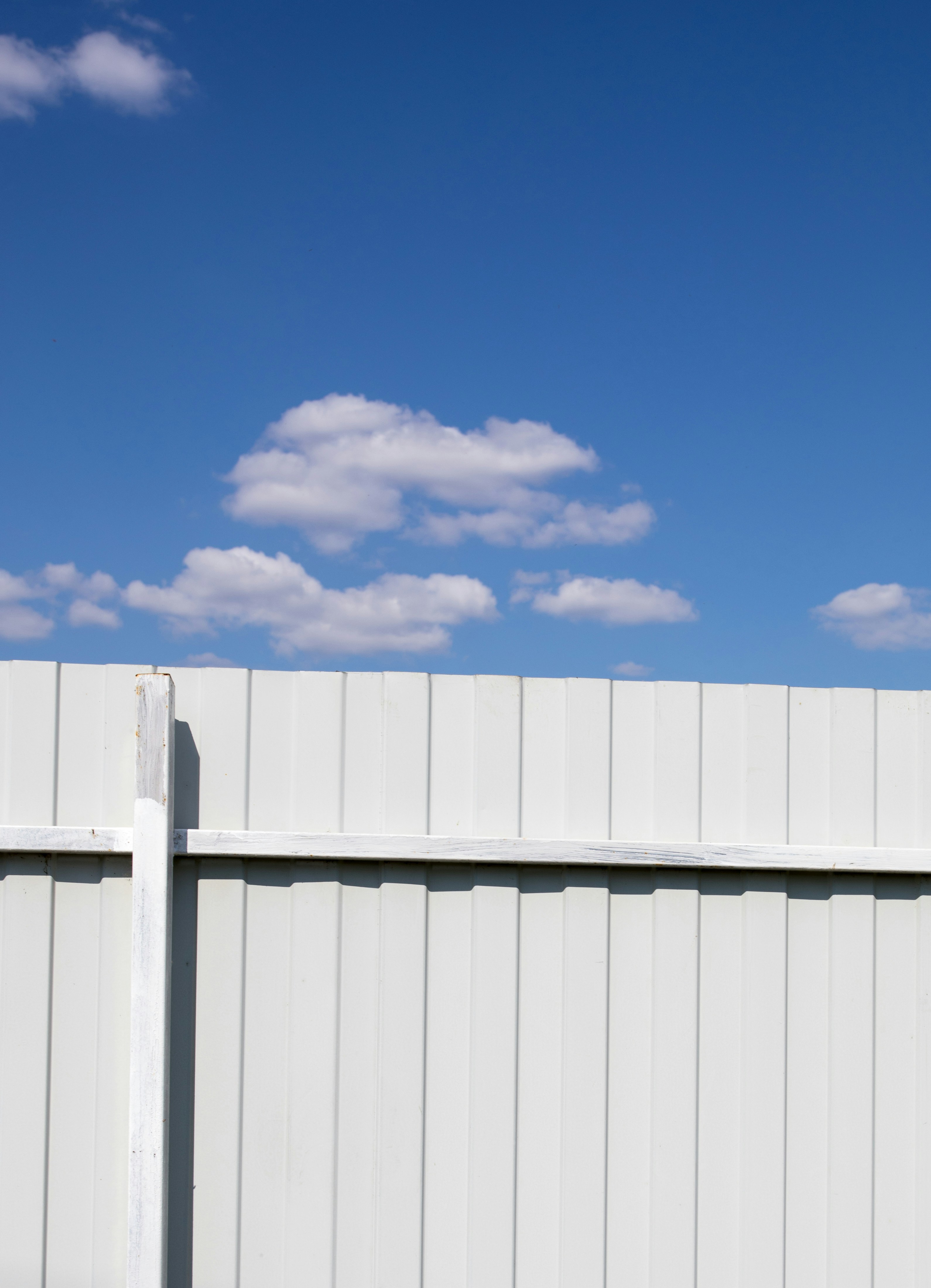
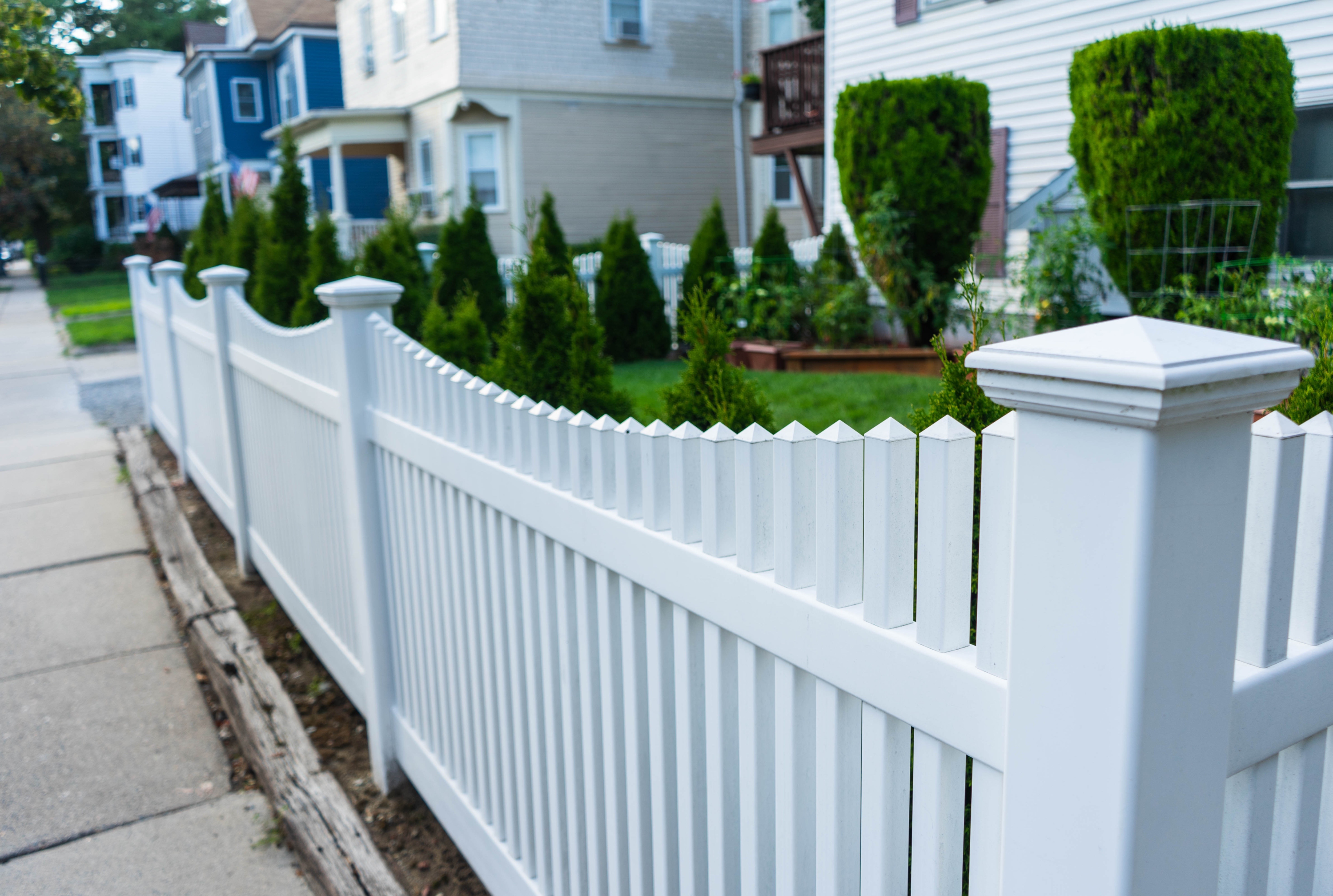
Vinyl fencing is a strong choice for families who want low maintenance without sacrificing containment. It's easy to clean, holds up well against weather, and the solid panel design gives reactive dogs less to fixate on. Because there are no footholds or gaps, it also works well for climbers.
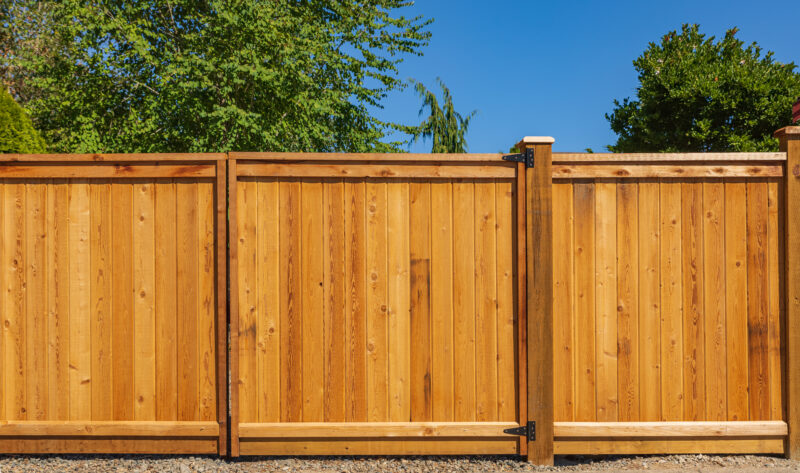
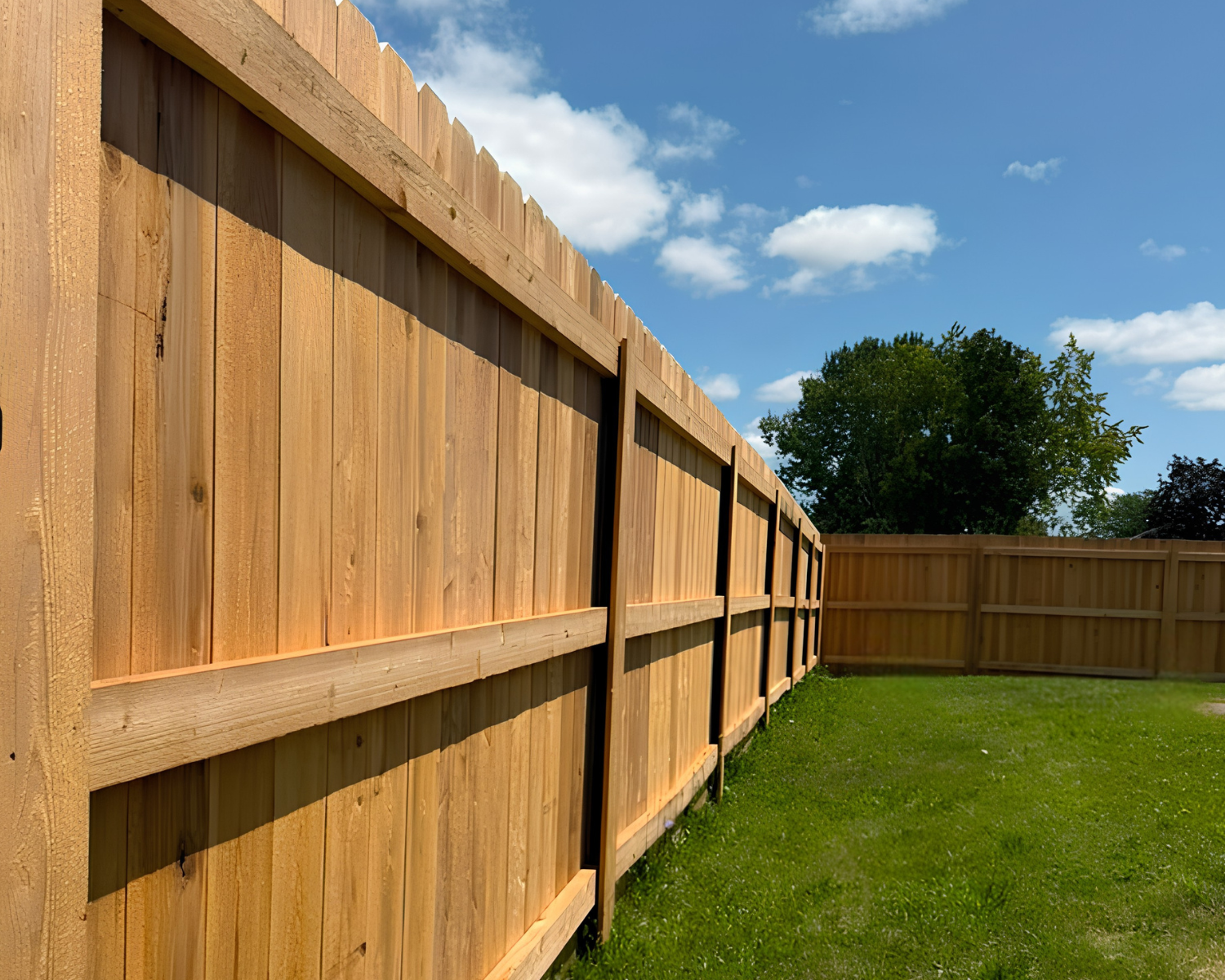
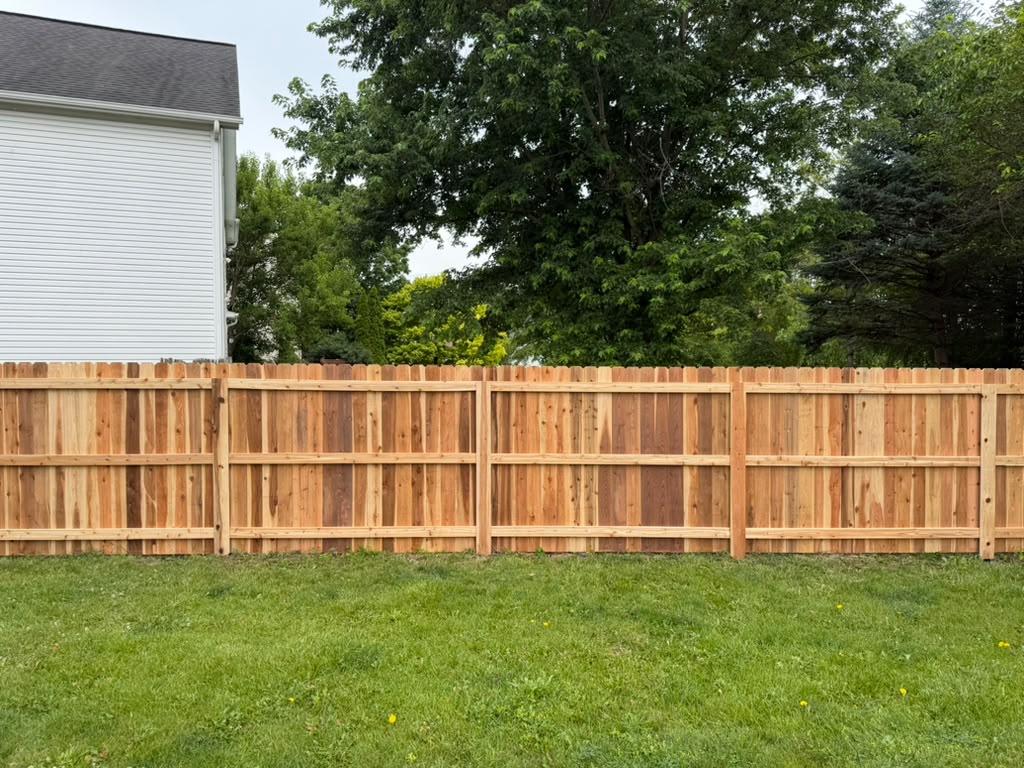
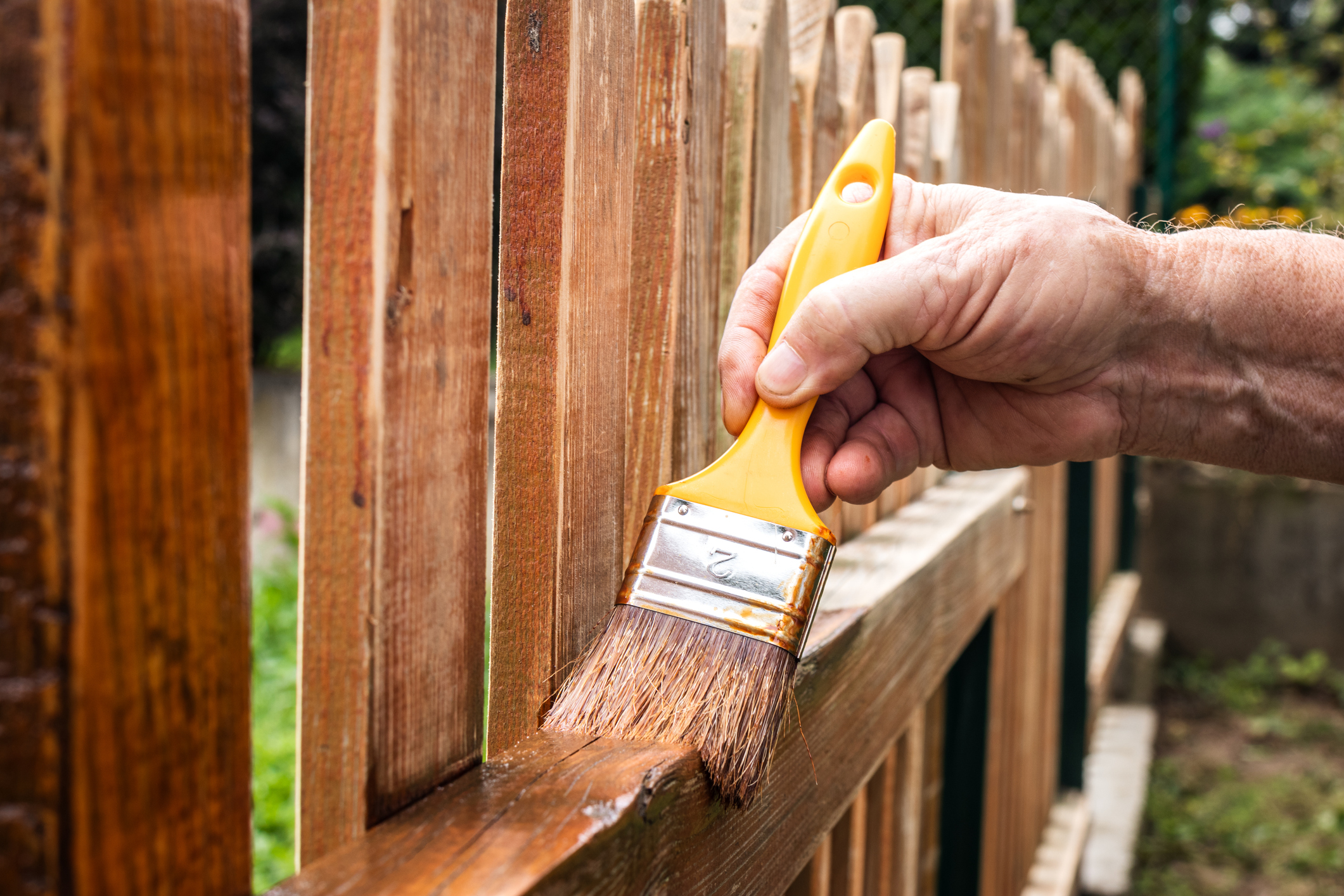
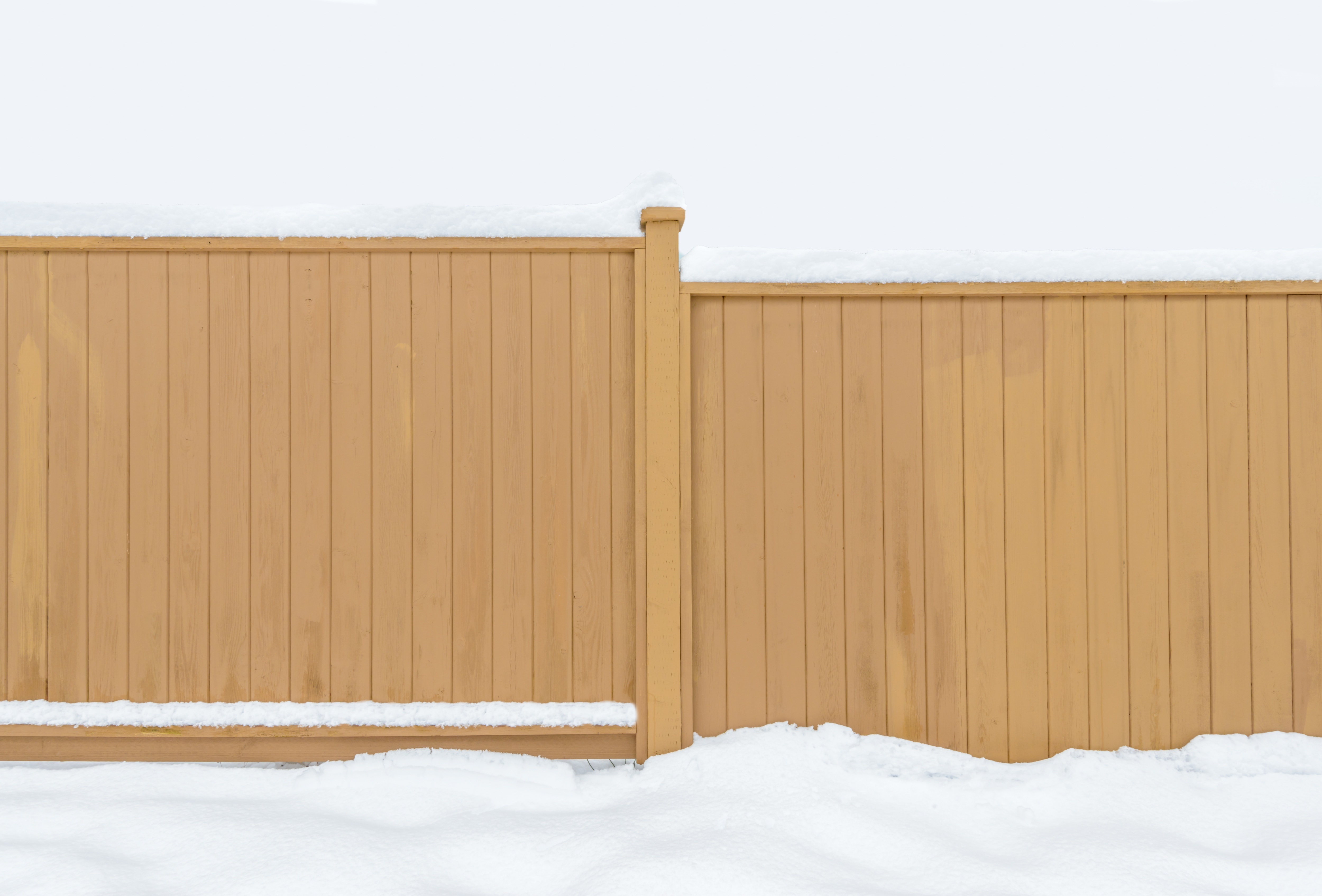
Wood fencing gives you full privacy, which helps a lot with dogs that react to movement and activity outside the yard. A solid wood privacy fence blocks the visual triggers that set reactive dogs off in the first place. Keep in mind that wood does require upkeep every few years, and dogs that chew or dig along the fence line can accelerate wear at the base.
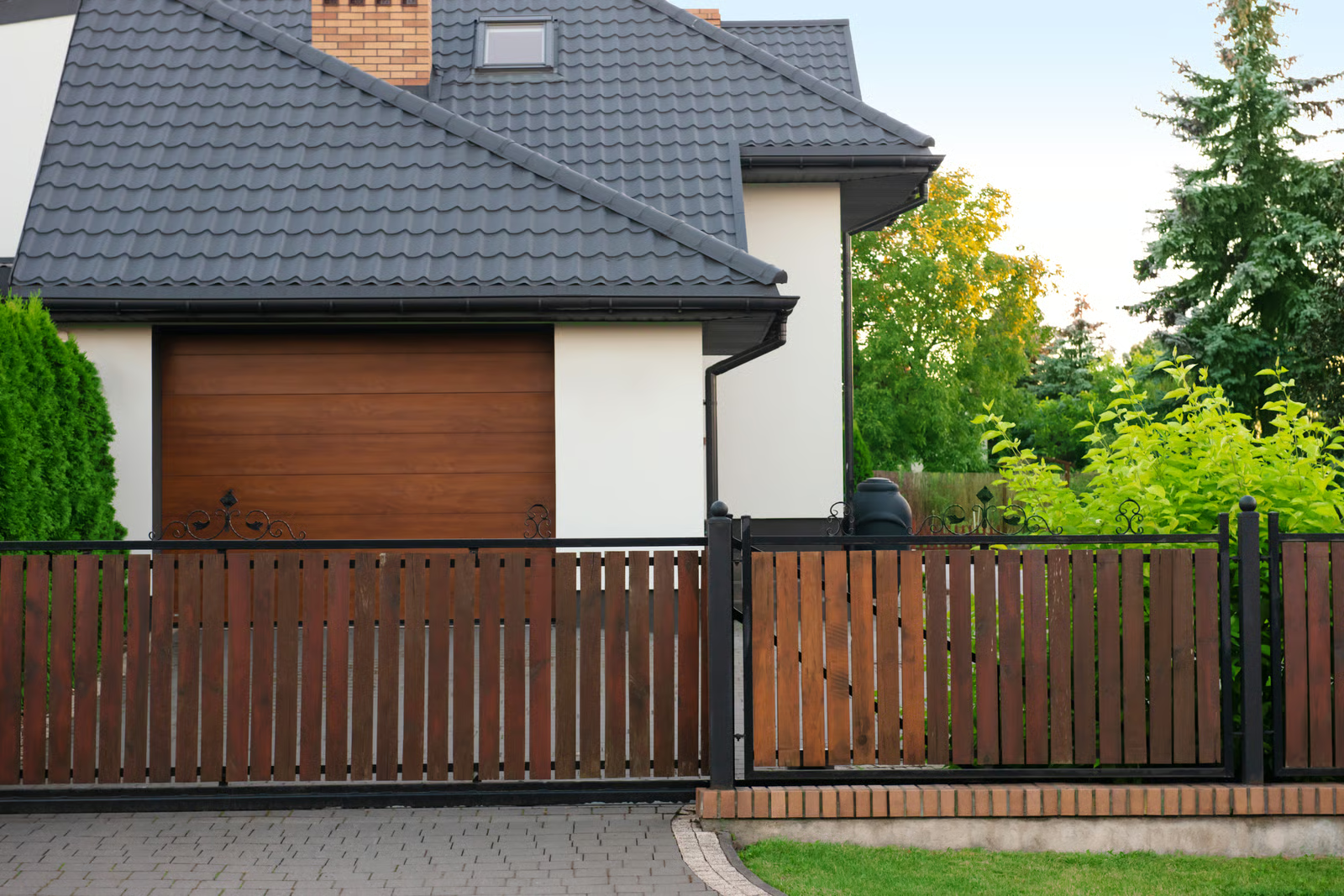
Decorative metal fencing is the most durable option and holds up well against dogs that charge or lean on the fence. The trade-off is picket spacing. Standard spacing can be wide enough for small dogs to squeeze through, so for those breeds, asking for tighter spacing in the bottom section solves the problem without changing how the fence looks from the outside.
Your dog's behavior should drive this decision. What works for your neighbor's Lab may not work at all for your Terrier.
Material choice gets you most of the way there. A few targeted features handle the escape routes that no material solves on its own.
Gates are where most escapes actually happen. A dog that can't get through the fence panels will test the gate first. A few features make a real difference:
For dedicated diggers, the fence line itself needs to extend below grade. Metal barriers attach along the base of your fence and reach underground to block tunneling. For more persistent diggers, L-shaped extensions reach horizontally into the yard, creating a barrier that's much harder to work around.
How deep you need to go depends on your dog. A conversation with your installer about your dog's digging habits will point you in the right direction.
The most common regret we hear from dog owners is adding features after the fence is already up. Tighter picket spacing, dig barriers, and reinforced gate hardware are all easier and more effective when they're planned in from the start rather than retrofitted later.
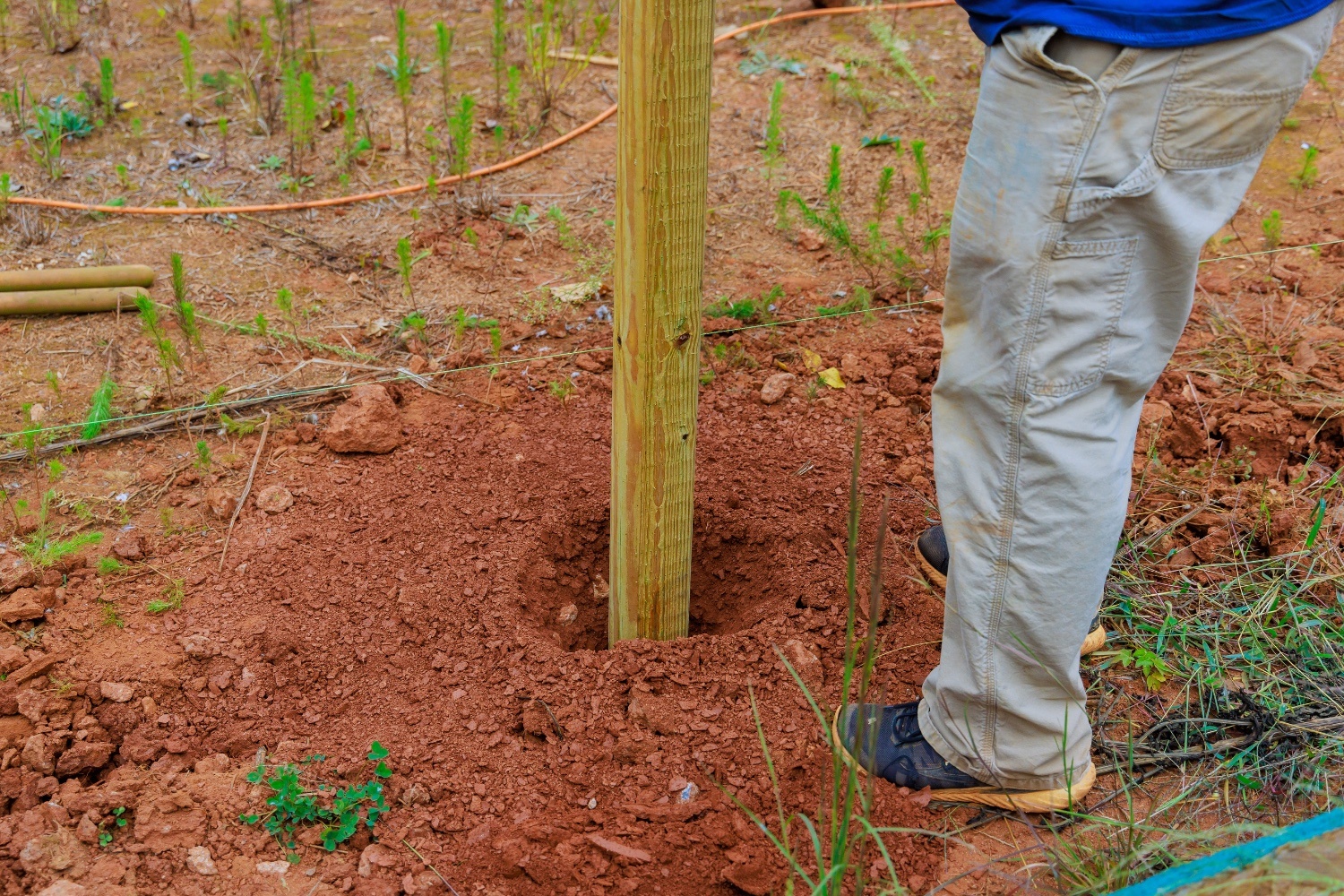
Post footings and gate alignment matter more with dogs than with a standard fence. Dogs that charge, lean, or repeatedly test the fence put more stress on the structure over time. Concrete footings keep posts from shifting, and a properly hung gate won't sag into the kind of gap a determined dog will work at.
A good installer will ask about your dog before making recommendations. Breed tendencies, size, and yard layout all factor into what the fence actually needs. Getting that conversation right at the beginning saves a lot of time and effort down the road.
A buried dig barrier is your best option. Metal panels attach along the base of your fence and extend underground to block tunneling. For more persistent diggers, an L-shaped extension reaches horizontally into the yard, making it much harder to work around by going deeper. How far down you need to go depends on your dog's habits.
It depends on the breed. Most dogs are well contained by a standard fence height, but athletic breeds like Border Collies, Australian Shepherds, and Sighthounds are capable jumpers and can clear a standard fence with a running start. For those breeds, going taller gives you a much better margin. Your installer can help you figure out the right height for your specific dog.
It's worth checking before you install. Standard picket spacing on decorative metal fencing can be wide enough for small dogs to slip through. Asking for tighter spacing in the bottom section solves the problem without changing how the fence looks from the outside.
A solid panel fence makes a noticeable difference. Wood fencing and solid vinyl fencing both block the sightlines that tend to set reactive dogs off. Open styles like decorative metal fencing let dogs track movement on the other side, which usually keeps them more worked up.
A double-motion latch that requires lifting before turning is a good starting point since most dogs can't figure that motion out. Positioning the latch on the inside of the gate and out of easy reach helps even more. Adding a self-closing mechanism removes the chance of a gate being left open by accident.
For most dog owners, the conversation about dog fencing starts in the wrong place. Height is easy to focus on, but the dogs that cause the most headaches are usually the ones getting out in ways a taller fence wouldn't have stopped. Before recommending anything, we like to understand how your dog behaves around barriers, what breed tendencies are in play, and what your yard actually looks like. That combination tells us a lot more than size or height alone.
Our most consistent recommendation for households with dogs is to plan the full picture from the start. That means thinking through gate hardware, picket spacing, and below-grade barriers at the same time as material and height, not as afterthoughts. A wood fence or vinyl fence with a solid panel design is often the right call for reactive dogs or climbers. For diggers, the material matters less than what's happening at the base of the fence. And for small breeds, a decorative metal fence with tighter spacing in the bottom section gives you durability and a clean look without sacrificing containment.
Your dog's escape style is the most important variable in this decision. Get that right and the material choice, the gate hardware, and any dig barriers all follow naturally from it.
Every dog is different, and the fence that works well for one household won't always translate to another. If you're not sure where to start, a conversation about your dog's tendencies and your yard goes a long way toward getting it right the first time.
Fence Boys is happy to take a look at your specific situation and help you figure out what actually makes sense.
Ready to Build a Fence That Actually Keeps Your Dog In?
Tell us about your dog and your yard — we'll help you find the right fit from the start.
Get a Free Quote
.jpeg)
.jpg)
.jpg)



.jpg)
.jpeg)
.jpg)









.jpeg)