Your Fence Quote Prep Checklist: How to Avoid Costly Surprises
You've scheduled your free fence quote, and you might be wondering what happens next. While we can absolutely work with whatever information you have available, there are some simple steps that can help make your consultation more productive.
This checklist shares what we've learned from years of consultations. Think of it as insider tips that help the process run smoothly, prevent unexpected costs, and save everyone time. Don't worry if you can't do everything on this list — Fence Boys is here to help either way.
Quick Answer
Preparing for a fence quote consultation comes down to five things: know your property boundaries, talk to your neighbors ahead of time, gather relevant documents, mark any private utility lines near the fence, and have a general sense of your design preferences. The more context you bring to the consultation, the more accurate your estimate will be from the start.
Why Getting an Accurate Fence Estimate Starts Before We Arrive
The accuracy of your fence estimate depends a lot on what we know about your property going in. When you come prepared, the consultation runs smoother for everyone. We can focus on your specific needs, answer your questions thoroughly, and provide the most accurate quote possible.
That said, skipping the prep can create real complications down the road:
- Utility line strikes: fines for hitting gas lines can reach $10,000, plus repair costs
- Property disputes: fences built on the wrong line may require complete removal and rebuilding
- HOA violations: fines up to $1,000 plus mandatory reconstruction
- Access issues: tight equipment access can affect labor costs
A thorough consultation prevents mid-project surprises and change orders. Prepared clients get fence estimates that reflect their actual project from the start.
Property Lines and Neighbors: Preventing Expensive Fence Disputes
Property surveys are incredibly helpful because they show exactly where your boundaries are. Without one, we typically set fences a few inches inside the property line to avoid any boundary disputes, which means giving up a small amount of yard space.
Property lines can surprise even long-time homeowners. An existing fence might sit several feet off the actual boundary. Knowing where your line is before installation prevents the kind of complications that are much harder to fix after the fact.
If you don't have a recent survey, check your closing documents first, as many homeowners already have one on file. If not, we'll work with existing markers and note any areas of uncertainty in your estimate.
Having the Right Conversation with Neighbors
When your fence runs along a shared property line, a quick heads-up to your neighbor before work begins can prevent misunderstandings and keep things friendly. Topics to cover:
- Their preferences for style and height
- Which direction the finished side should face
- Whether they need gate access for lawn care or other needs
- How maintenance will be handled going forward
A simple email summarizing what you discussed can prevent misunderstandings later. If you live in an HOA community, having your fence guidelines and any necessary approvals ready can prevent delays that sometimes stretch several weeks.
Documents That Speed Up Your Fence Installation Process
The right documents upfront save time during your consultation and lead to a more accurate fence estimate.
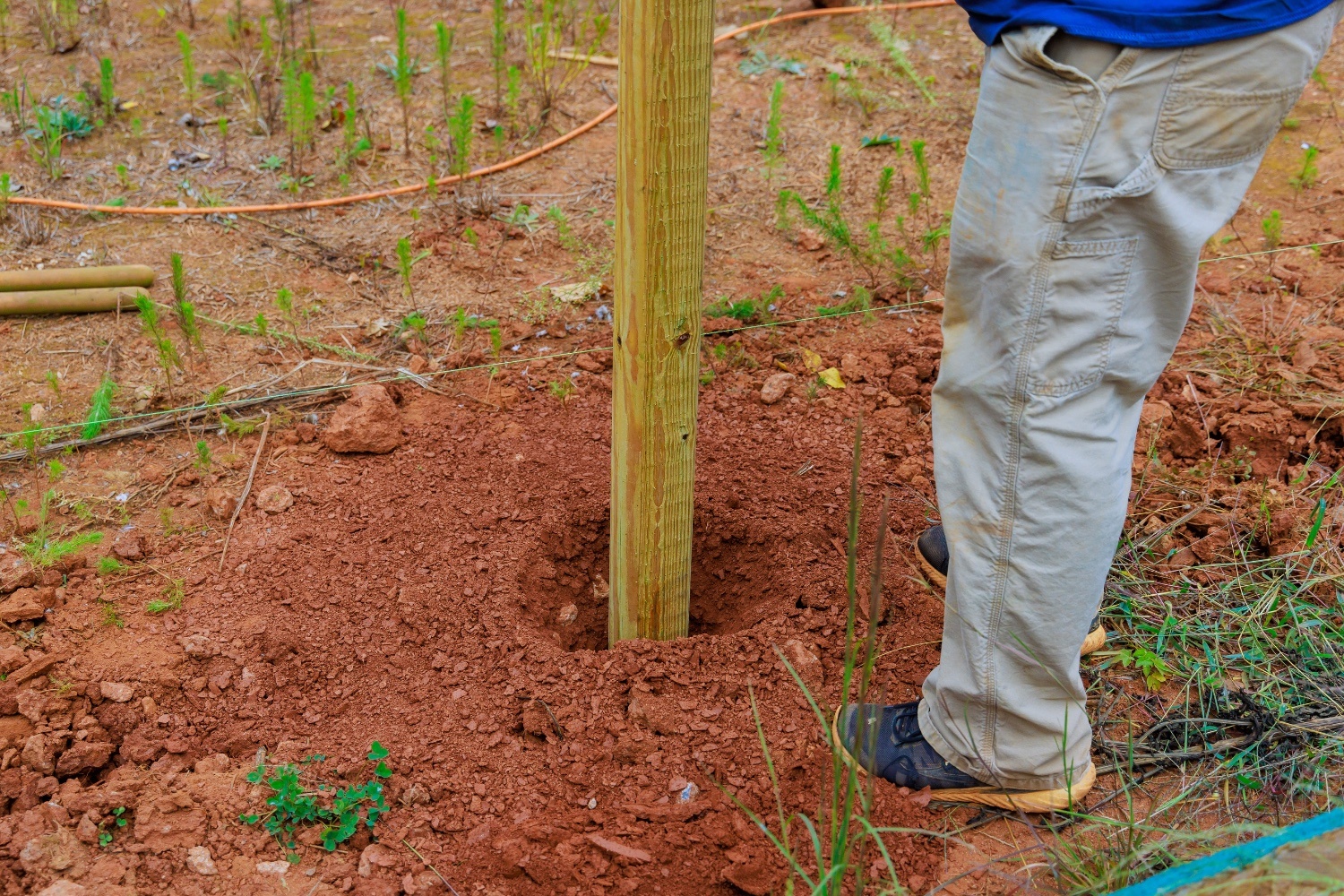
The most important step before any digging is the 811 utility marking call. Ohio law requires contractors to make this call before breaking ground, and we handle it as part of our process. That said, if you have private lines like irrigation systems, invisible dog fences, or landscape lighting near the fence line, it's a good idea to flag those ahead of time since 811 only covers public utilities.
Other documents that help:
- Property survey (check your closing documents first)
- Plot plan showing your house and easements
- HOA fence guidelines or any approvals already in hand
- Photos of challenging areas like slopes, wet spots, or tight access points
- Utility or drainage easement information
It also helps to have a general sense of your design preferences. Whether you're after privacy, decorative appeal, or low maintenance, sharing that upfront helps us focus the conversation on options that actually fit your goals. If your property has special circumstances like pool codes, corner lot rules, or shared driveways, flag those early so we can factor them in from the start.
6 Simple Steps to Prepare Your Residential Fence Site
If you have time before your consultation, these steps can help ensure a smoother visit and a more accurate quote. They're suggestions, not requirements. We can work with your property in whatever condition it's in.
1. Clear a path along your fence line if possible. Moving tall weeds or outdoor furniture helps us spot potential challenges like old concrete or drainage issues. Even rough clearing helps.
2. Mark any private utilities you know about. If you know where sprinkler lines, landscape lighting, or invisible fence wires run, marking them helps us avoid damage. If you're not sure where they run, let us know and we'll take extra care in those areas.
3. Consider equipment access to your backyard. Check if there's a 4 to 6-foot path from your driveway to the fence area. Tight access just means we'll use different methods, which we can factor into your residential fence quote.
4. Secure pets during the consultation. Keeping pets inside or on a leash during our visit helps us inspect your property safely and thoroughly.
5. Note any challenging areas of your yard. Let us know about slopes, wet spots, or rocky areas. These don't prevent installation — we just use different approaches that we'll factor into your quote.
6. Identify trees or landscaping near the fence line. You don't need to remove anything. Just knowing what's there helps us discuss options for fence placement.
Even if you can only get through a few of these, it helps. Fence Boys is ready to work with your property however it is.
What Happens During Your Fence Consultation
Here's what to expect when we arrive for your fence consultation.
The Property Walk-Through
We'll start by walking the property with you. This usually takes 15 to 20 minutes. During that time we'll look at:
- Slopes and grading
- Soil conditions
- Equipment access routes
- Connection points to existing structures
Sharing Your Vision
This is your chance to tell us what you're going for — privacy, security, decorative appeal, low maintenance, or some combination. If you have special considerations like large dogs, a pool, or young children, this is a good time to bring those up.
Timeline and Scheduling
We'll talk through realistic timelines for your project:
- 4 to 8 weeks from contract to completion
- 2 to 3 days for actual installation
- Longer lead times during spring and summer
- Weather considerations for concrete work
Getting Your Quote
We'll walk through the project scope, answer your questions, and give you time to think it over. No pressure to decide on the spot.
Fence Quote FAQs
Do I need a property survey before getting a fence quote?
Not necessarily. A survey helps us give you a more accurate estimate, but we can work with existing markers or closing documents if you don't have one. We'll note any boundary uncertainties in your estimate.
How long does a fence consultation take?
Most consultations take 30 to 45 minutes depending on property size and complexity. If you've cleared the fence line and gathered your documents ahead of time, things tend to move faster.
Who calls 811 before installation?
We handle the 811 utility marking call as part of our process. Ohio law requires it before any digging. Private lines like irrigation systems and invisible dog fences aren't covered by 811, so let us know about those ahead of time.
Do I need HOA approval before getting a quote?
You don't need approval to get a quote, but having your HOA guidelines on hand helps us recommend materials and styles that will pass review. Getting approval before installation starts prevents delays.
Can I get a quote if my yard isn't fully prepped?
Yes. The prep steps in this guide are suggestions, not requirements. We'll work with your property however it is and factor any site conditions into your estimate.
What Fence Boys Recommends for Columbus Homeowners
Before your fence quote consultation, the single most useful thing you can do is know roughly where your property line sits. Columbus neighborhoods vary a lot, and boundary assumptions are one of the most common sources of mid-project complications. You don't need a formal survey to get a quote, but it's a good conversation to start early.
If your HOA has fencing rules, pull those guidelines before we meet. Approval timelines in Central Ohio can stretch longer than expected, and knowing what's allowed from the start keeps your project on track.
Start Your Fence Quote Today
Every consultation is different. Some homeowners show up with a survey, HOA approval, and a Pinterest board. Others have a general sense of what they want and figure out the details together with us. Both work.
Fence Boys is here to help either way. We'll take the time to understand your property, walk through your options, and make sure you leave with a clear picture of what your project looks like.
Preparation makes the process smoother, but it's never a barrier to getting started.
Ready to Get Your Fence Quote?
Come prepared or come as you are — we'll walk your property, answer your questions, and give you a clear, accurate estimate.
Get a Free Quote



.jpg)
.jpeg)
.jpg)








.jpeg)