DIY vs. Professional Fence Installation: What Homeowners Should Know
DIY fence installation is more popular than ever, and it's easy to see why. Materials are widely available, tutorials are everywhere, and the potential savings are real, at least on the surface.
The reality is a little more layered. Tools, permits, time, and a few common mistakes can close that gap faster than expected. This post walks through the honest trade-offs so you can decide what actually makes sense for your project.
Quick Answer
Whether to DIY or hire a professional fence installer comes down to three things: project size, terrain complexity, and your experience level. Smaller, flat projects with simple materials are the best candidates for DIY. Larger projects, complex terrain, vinyl or aluminum fencing, and HOA requirements generally tip the balance toward professional installation.
The Real Cost of DIY Fence Installation: Money, Time, and Physical Reality
Most homeowners thinking about DIY fence installation are really thinking about one thing: labor savings. That's a legitimate place to start. The full cost picture, though, has a few more moving parts.
The Hidden Financial Costs
Labor savings are the main draw of DIY fence installation, and they're real. But the full picture includes tool rentals, permit fees, concrete, and the occasional mistake that needs fixing. Those costs are smaller than labor, but they're not zero, and they add up faster than most homeowners expect.
The comparison also shifts depending on project size. On a longer run of fence, DIY savings tend to hold up better. On shorter projects, fixed costs like permits and equipment eat into the margin quickly, sometimes to the point where professional installation comes out close in total cost.
Time Investment
A standard residential fence installation takes a professional crew one to two days. The same project often takes a motivated DIYer two to three weekends. That's not a knock on DIY, it's just the reality of working without hydraulic equipment, a practiced crew, and a job schedule built around efficiency.
Post hole digging is where most of the time goes. Manual diggers work, but they're slow, especially in compacted or clay-heavy soil. Rocky ground can multiply the timeline significantly.
Physical Demands
Fence installation is physically demanding work. Repeated heavy lifting, sustained digging, and working in variable weather conditions are all part of it. Most projects require at least two people for safe handling of posts and panels.
Professional tools are also designed for experienced operators. Hydraulic augers, post drivers, and concrete mixers are efficient in practiced hands and slower without the experience to match.
The Legal and Regulatory Challenges YouTube Doesn't Teach
Most online tutorials skip the unglamorous parts: permits, property lines, insurance, and warranty requirements. These don't make for great video content, but they're the details that tend to trip up DIY projects in ways that are expensive and slow to fix.
Permits and Local Regulations
Permit requirements vary significantly by municipality, and no tutorial can cover your specific area. In Columbus, most fence projects require a permit. Surrounding suburbs often have their own rules that differ from the city. Skipping the permit process isn't just a legal risk. It can mean being required to remove or modify a fence after the fact, which costs far more than the permit would have.
If you're in an HOA, that's a separate approval layer entirely. HOA timelines can stretch several weeks, and non-compliant fences sometimes require full removal at the homeowner's expense.
Property Lines
Property line mistakes are one of the most common and costly DIY fence issues. A fence built even a few feet onto a neighbor's property may need to be fully relocated. Professional surveys remove that uncertainty. If you don't have a recent one, it's a conversation to have before you dig the first post hole.
Insurance and Warranty Considerations
Standard homeowners' insurance typically excludes damage caused by poor installation. Many fence manufacturers also require professional installation to maintain warranty coverage. A vinyl fence marketed with a long-term warranty may not honor that warranty on a DIY install, something that's easy to miss in the fine print.
Professional contractors carry general liability insurance that covers utility damages, neighbor property damage, and code violations. On a DIY project, those risks sit with the homeowner.
Common DIY Mistakes That Cost Thousands in Repairs
Most DIY fence installation problems trace back to a handful of recurring issues. None of them are exotic. They're the kind of things that seem fine at the time and show up two or three years later.
Post Depth
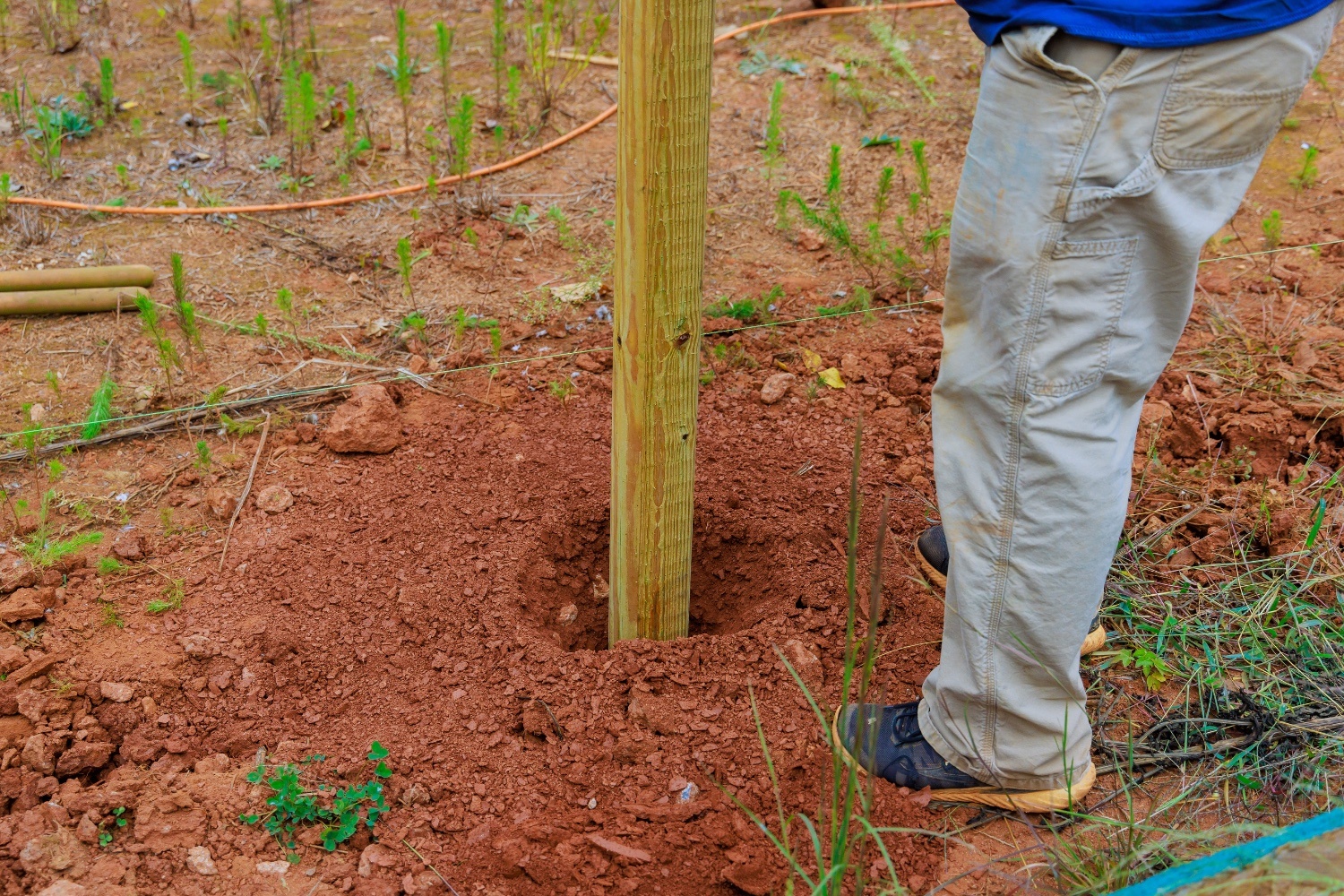
Posts that aren't buried deep enough are the most common source of early fence failure. In Ohio, posts need to clear the frost line, which means going at least 32 to 36 inches deep depending on your location. Shorter posts shift over time as the ground freezes and thaws, and the movement compounds each winter.
Manual digging also makes it tempting to stop short when the work gets hard. Clay soil and rocky ground are genuinely difficult, and it's easy to talk yourself into "close enough." It rarely is.
Concrete Mixing
Concrete needs to be mixed correctly and given adequate time to cure before rails and panels go on. Too little water, too much water, or pulling the bracing before the concrete sets are all common shortcuts that result in posts that start to lean sooner than they should.
Property Lines
A fence built even slightly over the property line can become a legal and financial problem. This is one of the easier mistakes to avoid. A recent survey or a conversation with a licensed surveyor before you start is all it takes. Fixing it after the fact is a different story.
When DIY Makes Sense
Professional installation isn't the right fit for every project, and that's completely reasonable.
The ideal DIY scenario:
- Smaller projects under 100 linear feet
- Simple, flat terrain without slopes or drainage issues
- No HOA requirements or complex permitting
- You have construction experience or a skilled friend to help
- You enjoy hands-on projects and have the time to do it right
Material types that are more DIY-friendly:
- Pre-assembled fence panels (easier than stick-built)
- Aluminum and certain vinyl systems with snap-together components
- Shorter fence runs where post digging is manageable
If you fit this profile and approach the project carefully, DIY fence installation can work out well. The key is being honest with yourself about your skills, your timeline, and what you're getting into.
When Professional Installation Makes Sense
Some projects are genuinely better suited for a professional crew.
Professional installation makes the most sense when:
- Your project is large (over 150 linear feet)
- Your yard has significant slopes, drainage issues, or challenging terrain
- You're installing a tall fence (6 feet or higher)
- Your HOA has strict requirements
- You want manufacturer warranties to remain valid
- You need permits pulled and inspections passed
- Time is limited and you want the project done in days, not weekends
What professionals bring to the job:
- Industrial equipment that makes post digging faster and more accurate
- Experience reading soil conditions and adjusting depth and technique accordingly
- Established relationships with permit offices and knowledge of local codes
- Warranty protection that DIY installs often can't access
- Insurance coverage if something goes wrong
If your project checks more than a couple of these boxes, the math tends to favor hiring a pro.
The Hybrid Approach: Best of Both Worlds
There's a middle ground between full DIY and full professional installation that more homeowners are exploring.
Popular hybrid approaches:
- Professional post setting, DIY panel installation: the most common hybrid. Professionals handle the posts and concrete while you install the panels and rails. This addresses the most technically demanding part while leaving the more straightforward work for you.
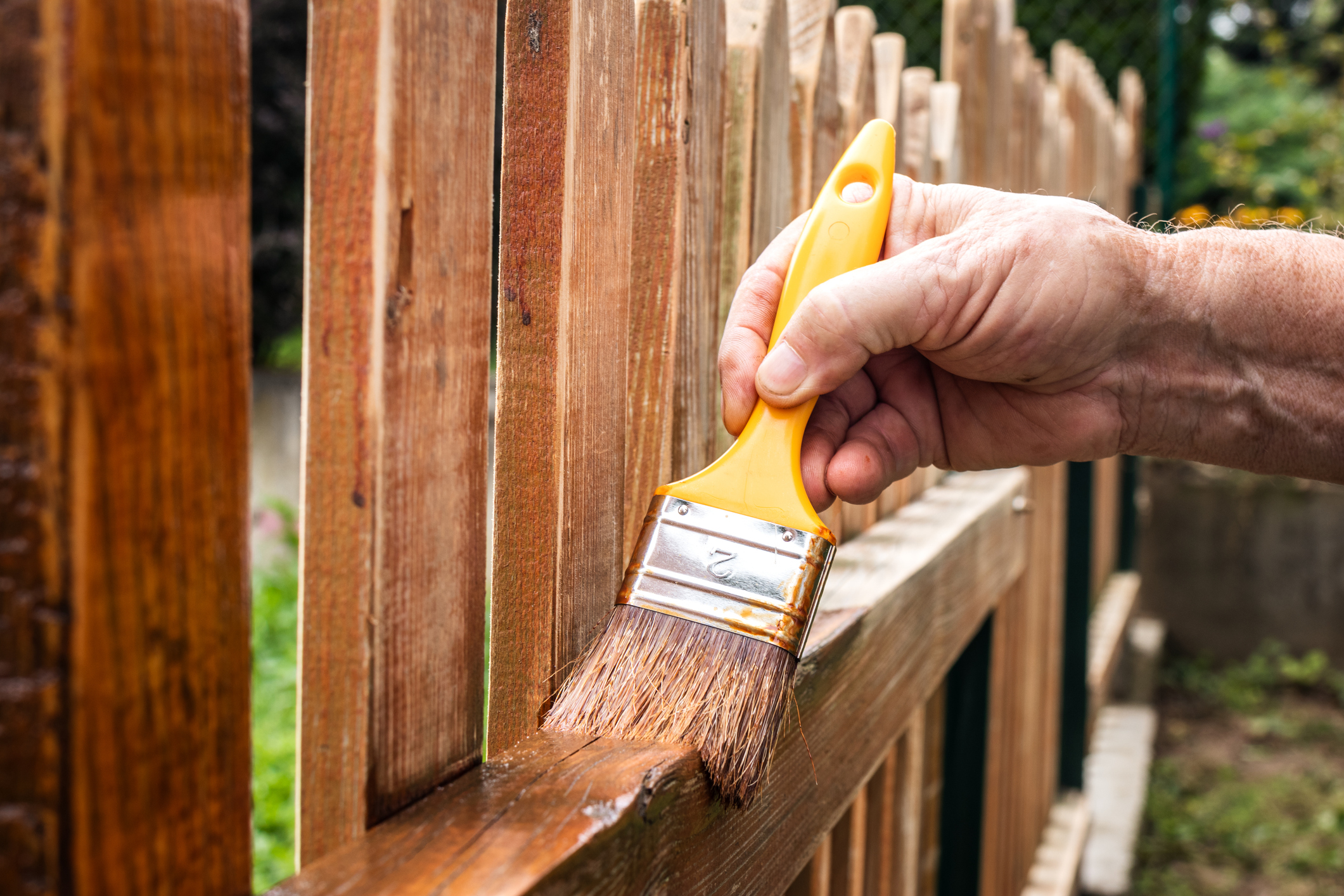
- Professional installation, DIY finishing: have professionals handle the structural installation, then do your own staining, painting, or decorative additions.
- DIY prep work, professional installation: clear the fence line, mark utilities, handle permit applications yourself, then bring in professionals for the actual installation.
The advantages of going hybrid:
- Significant cost reduction compared to full professional installation
- Ensures structurally critical elements meet professional standards
- Allows you to contribute meaningfully to your project
- Often faster than full DIY while being more affordable than full professional
It's a good fit for homeowners who want to stay involved without taking on the parts that are hardest to get right.
Making Your Decision: A Framework
Every project is different. Here's a quick reference to help you think through which direction fits yours.
| Your Situation |
DIY |
Professional |
| Project size |
Under 150 linear feet |
Over 150 linear feet |
| Terrain |
Flat, no obstacles |
Slopes, drainage issues, rocky soil |
| HOA requirements |
None |
Present |
| Experience level |
Previous construction experience |
Limited or none |
| Time available |
3 to 4 weekends |
Want it done in days |
| Material type |
Pre-assembled panels |
Vinyl, aluminum, or complex wood |
| Warranty |
Less of a priority |
Important to maintain |
For smaller, straightforward projects with the right experience and time, DIY is a legitimate option. For larger or more complex projects, professional installation tends to deliver better results and fewer headaches over the long run.
DIY vs. Professional Fence Installation FAQs
Can I install a fence myself in Columbus?
Yes. There are no rules against DIY fence installation in Columbus, but most projects require a permit before work begins. Check with your local municipality for specific requirements in your area.
How much can I realistically save by doing it myself?
Labor is the biggest cost in any fence installation. How much you save depends on project size, material type, and what tools you already own or need to rent. Smaller projects tend to produce better DIY savings than larger ones where fixed costs like permits and equipment reduce the margin.
What's the hardest part of DIY fence installation?
Post hole digging is where most DIYers struggle. Getting posts to the right depth consistently, especially in clay or rocky soil, takes more time and effort than most tutorials suggest. Concrete mixing and cure time management are close behind.
Do I need a permit for a DIY fence in Columbus?
Most fence projects in Columbus require a permit regardless of who installs them. The homeowner is responsible for pulling the permit on a DIY project. Requirements vary by suburb, so check with your local zoning office before you start.
Will my fence warranty be valid if I install it myself?
Not always. Many manufacturers require professional installation to honor their warranty. This is especially common with vinyl fencing. Check the warranty terms before you buy materials.
What if I want to do part of the work myself?
A hybrid approach is a good option for homeowners who want to stay involved. Fence Boys is open to discussing what makes sense for your project, including options where we handle the structural work and you take on the finishing.
What Fence Boys Recommends for Columbus Homeowners
For Columbus homeowners weighing this decision, the factors that matter most are project size, terrain, and timeline. Smaller projects on flat ground with simple materials are the strongest candidates for DIY. Anything larger or more complex generally tips toward professional installation.
If you do go the DIY route, pull your permit before you start and verify your property line. Ohio's frost line means posts need to go deeper than most online guides suggest, and getting that right the first time saves a lot of rework later.
If you're unsure about any part of the project, the hybrid approach is always an option. Fence Boys is happy to handle the structural work while you take on the prep or finishing.
Making the Right Call for Your Project
DIY fence installation can work well when the project is the right size, the terrain is straightforward, and the experience is there to back it up. Professional installation makes more sense when the project gets complex, the timeline is tight, or the stakes of getting it wrong are higher.
Either way, the goal is a fence that holds up, looks right, and doesn't cause headaches down the road. Fence Boys is happy to talk through your specific situation and give you an honest read on which direction makes the most sense.
Not Sure Whether to DIY or Hire a Pro?
Talk to Fence Boys — we'll give you an honest read on what makes sense for your project, no pressure.
Get a Free Quote


.jpeg)
.jpg)
.jpg)
.jpg)
.jpeg)
.jpg)









.jpeg)