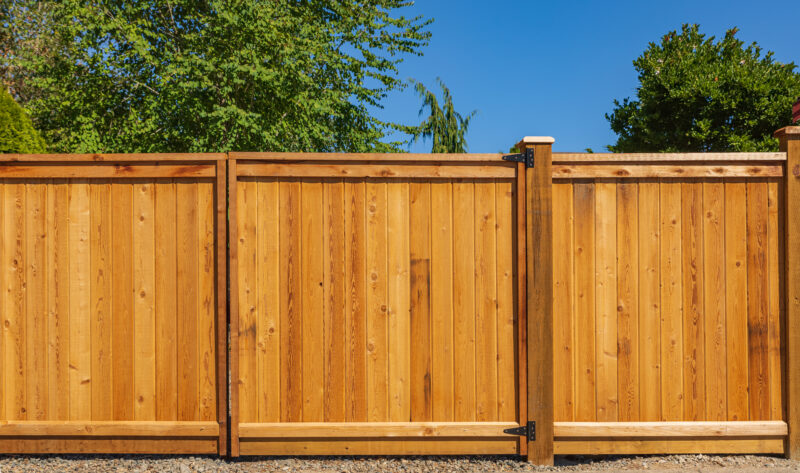
Affordable Fencing Ideas That Don't Compromise on Style
A great-looking fence doesn't have to be expensive. When looking up affordable fencing ideas, price is just one piece of the picture. Materials and design matter just as much, since both affect how well your fence holds up over time. Getting that balance right means you're not paying for repairs or a full replacement a few years down the road.
In Columbus, that also means factoring in local weather and ground conditions alongside upfront cost. A budget-friendly fence option that isn't built for those conditions ends up costing more in the long run.
This guide covers materials, design techniques, and what to look for when hiring a fence company in Columbus, so you can make a smart decision without overpaying.
Affordable Fencing at a Glance
A budget-friendly fence doesn't have to look budget. Pressure-treated pine offers the best combination of low cost and design flexibility, while DIY and partial DIY options can meaningfully cut labor costs. The details that matter most for longevity, like post depth and proper concrete cure time, cost nothing extra to get right.
Getting the Most Style for Your Budget
Style and budget don't have to be a trade-off. Each of these budget-friendly materials can look great when it's matched to the right design, and the right choice usually comes down to how much upfront cost versus ongoing maintenance you're comfortable with.
Pressure-Treated Pine
Pine is typically the most cost-effective fencing material available, and it doesn't have to look basic. It stains beautifully in almost any color, from natural wood tones to bold modern shades like charcoal or sage green, which makes it easy to customize to your home's style. Plan on staining it every two to three years to keep it protected and looking sharp.
Cedar
Cedar costs more upfront than pine, but you won't maintain it as often. It naturally resists rot and insects, and most cedar fences only need attention every three to five years. Like pine, it takes stain well and can be customized to match your preferred look.
Vinyl
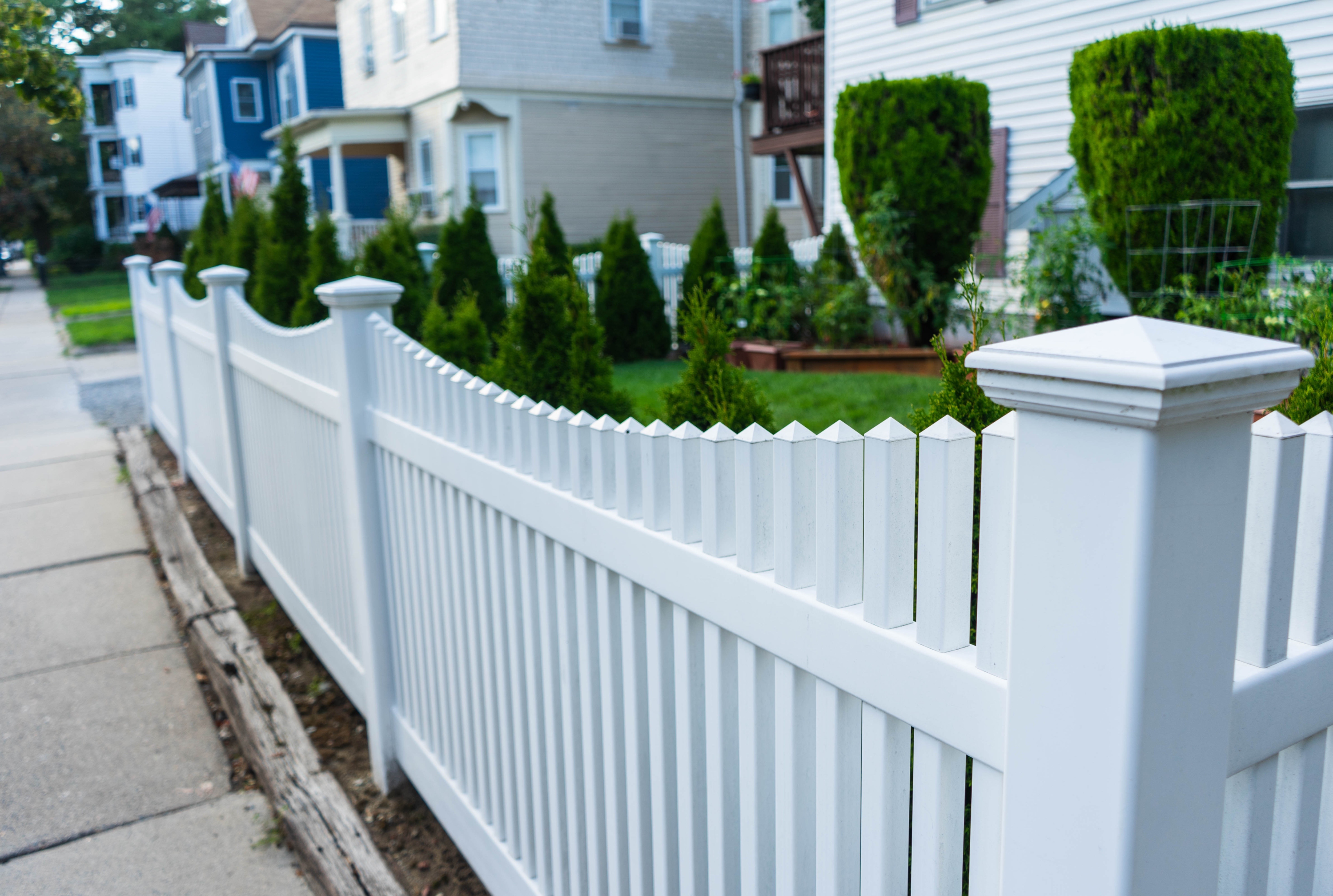
Vinyl costs more upfront than either wood option, but it often costs less over time since it needs so little upkeep. A quality vinyl fence can last 20 to 30 years with occasional cleaning. Vinyl comes in more limited color and style options than wood, so it's less customizable, but it's a strong choice if low maintenance is the priority. Lower-grade vinyl doesn't always handle Ohio winters as well as higher-quality options and can become brittle in cold temperatures. Asking about cold-weather performance before you buy is a smart step if you're considering vinyl.
| Material |
Upfront Cost |
Long-Term Cost |
Maintenance |
Design Flexibility |
| Pressure-treated pine |
Lowest |
Higher |
Every 2-3 years |
High (stains any color) |
| Cedar |
Moderate |
Moderate |
Every 3-5 years |
High (stains any color) |
| Vinyl |
Highest |
Lowest |
Minimal |
Limited to available styles |
Saving on Labor: DIY and Partial DIY Options
Labor is a significant cost in any fence project, so doing some of the work yourself is one of the most effective affordable fencing ideas available. Prebuilt panels make full DIY manageable for flat, straightforward yards, and many fence companies also offer a partial DIY option where a professional sets the posts and you attach the panels yourself.
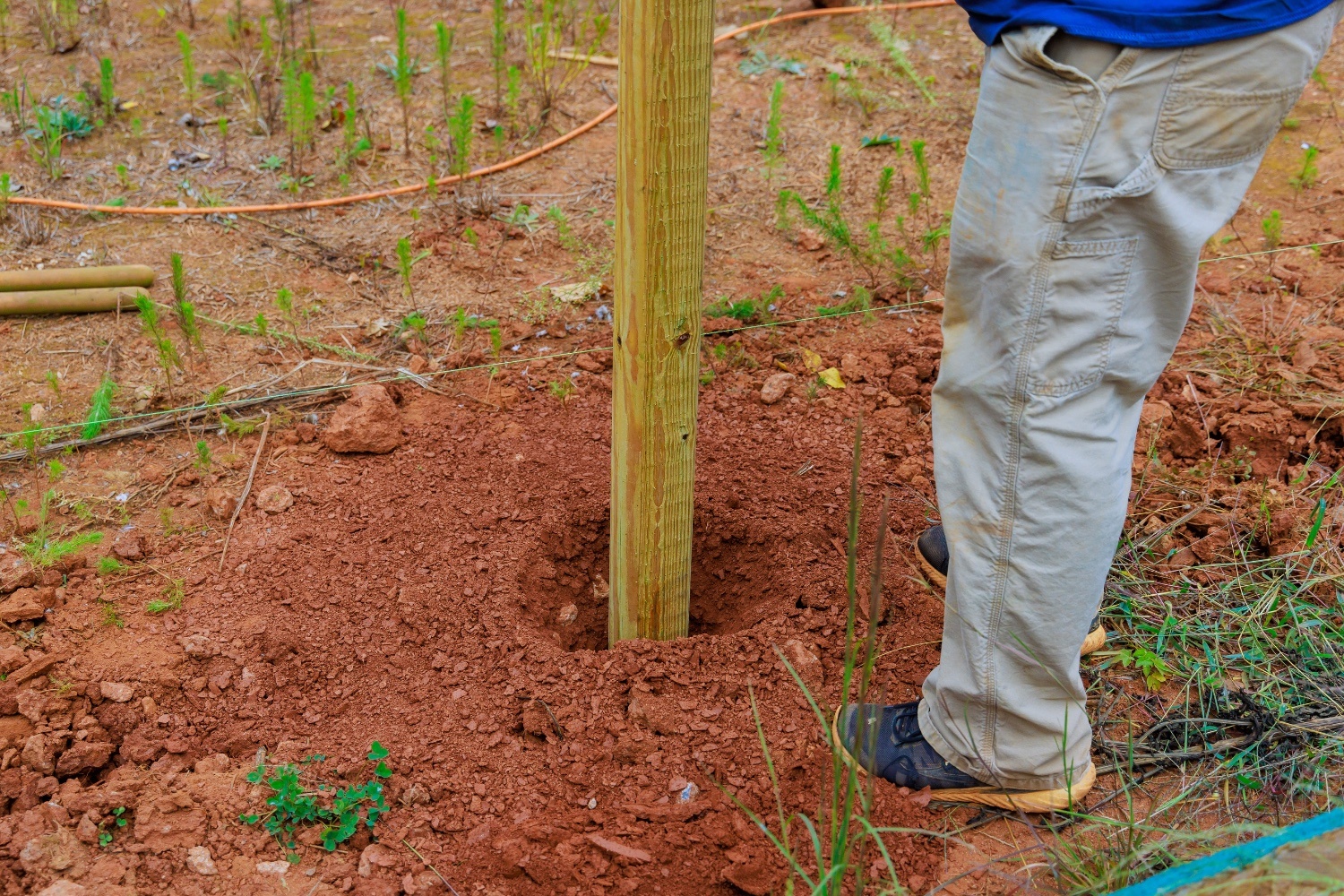
Whichever route you choose, a few things matter most for a fence that holds up. Post depth needs to reach below the frost line, typically 32 to 36 inches in the Columbus area. Concrete needs 24 to 48 hours to cure before panels get attached. And post spacing needs to align with your panel widths, usually 8 feet, measured out before you dig.
For a deeper comparison of prebuilt panels versus custom-built fencing, including cost, lifespan, and when each makes sense, our guide on fence panels vs. custom builds covers it in full.
Creative Design Techniques on a Budget
A few smart choices can make low-cost fencing materials look like premium work. It's not about spending more. It's about paying attention to details like material combinations, finishing touches, and color. These small decisions often make the biggest difference in how a fence reads from the street.
Mix Your Materials
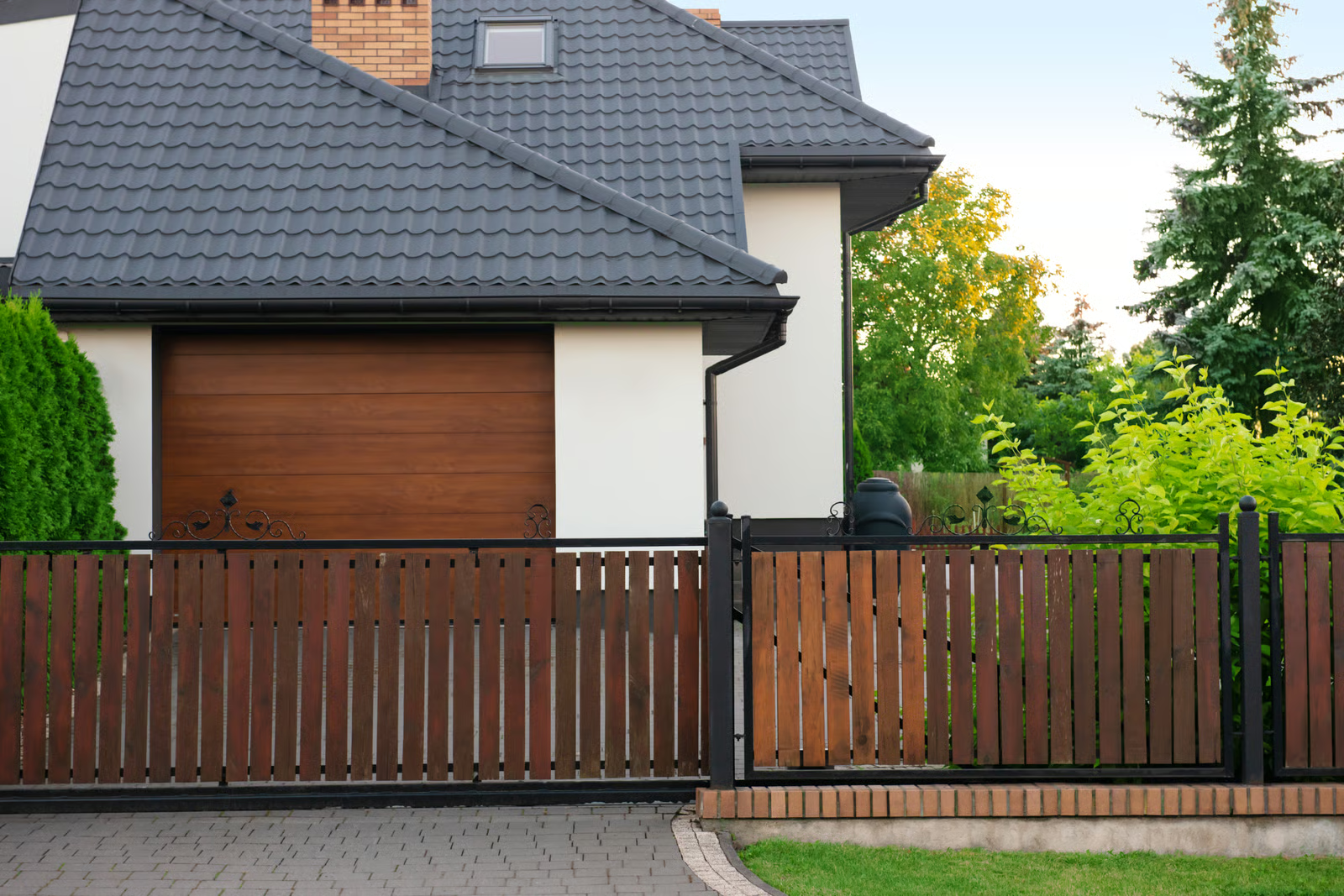
Black metal frames with wood infill have become a popular modern look. It's clean and distinctive, and metal posts paired with wood panels tend to last longer too, since metal doesn't rot at the ground line the way wood does. Pre-made metal frame kits make this style accessible even for a DIY project.
Add Lattice or Trim
Lattice toppers add height and visual interest to a basic fence while still letting light and air through, which some yards need. Cap-and-trim treatment, which adds horizontal boards along the top and bottom, makes simple panels look more finished. If you enjoy gardening, lattice doubles as a trellis for climbing plants.
Stain or Paint
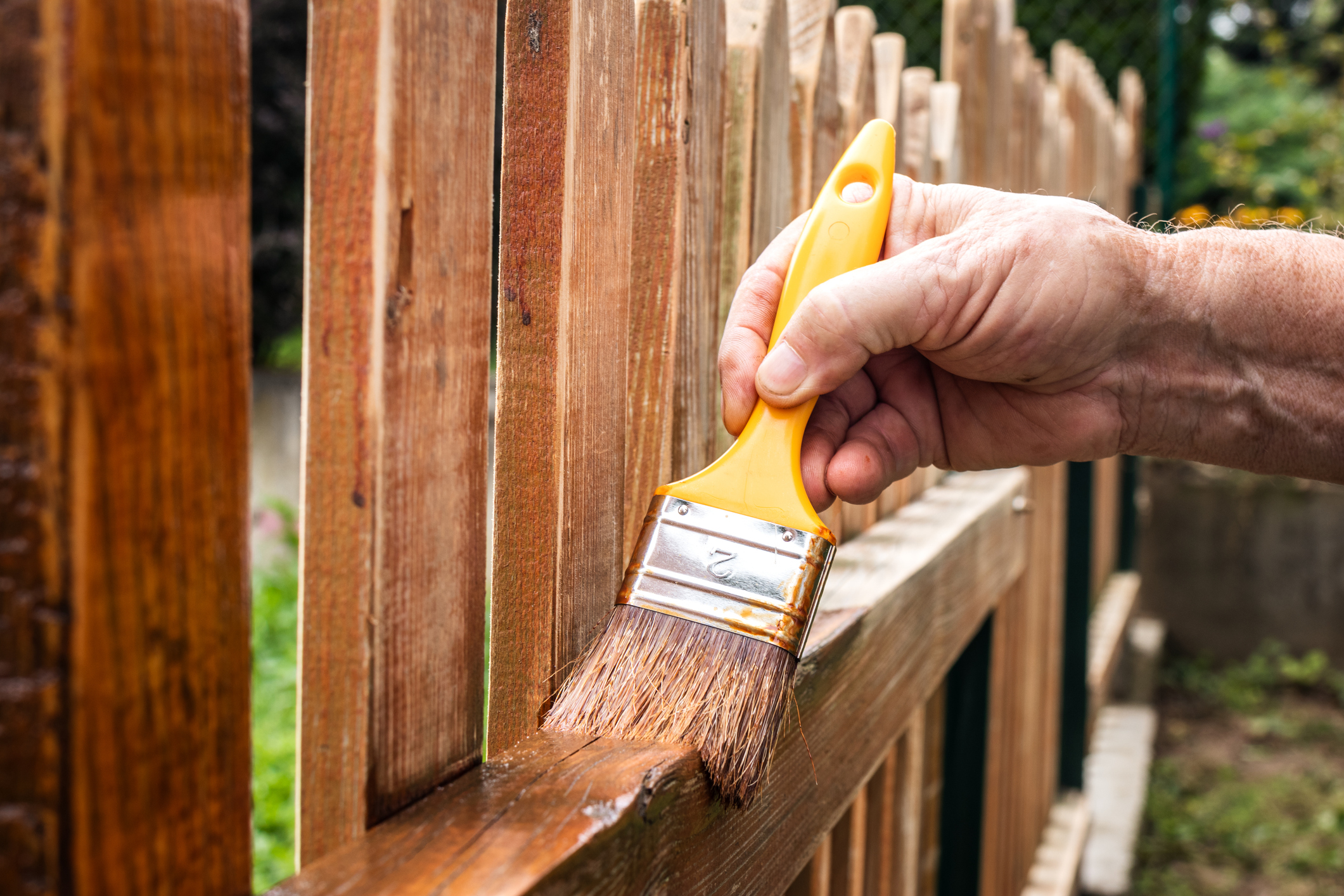
A fresh coat of stain transforms weathered wood. Semi-transparent stains let the grain show through, while solid stains cover completely. Popular colors right now include charcoal gray, black, and sage green. A bold stain is one of the easiest stylish fence ideas Columbus homeowners can try.
Hiring Local Fence Companies Without Breaking the Bank
If you'd rather leave the work to the pros, you can still be smart about costs. Knowing what to look for helps you get quality fence installation at a fair price.
Compare Quotes the Right Way
Get three to five quotes for the same specs: same material, same post depth, same linear footage. A low price isn't always a win. Sometimes it means the posts aren't being set deep enough, and that's the kind of shortcut that tends to cause issues in just a few years.
Ask About Seasonal Timing
Fall is usually a good time to schedule fence work in Columbus. Demand typically slows down in October and November while the weather is still workable, which can mean better availability and, in some cases, better pricing. Some Columbus fence companies offer off-season discounts in winter as well. If your timeline is flexible, asking about that upfront can pay off.
What to Look For
Transparent pricing matters. A good quote should clearly outline the materials being used, how the fence will be installed, and what the final price covers. Check reviews, verify insurance, and watch for red flags like verbal-only estimates, large upfront deposits, or vague language about extra charges. The best fence companies near you put everything in writing.
Affordable Fencing FAQs
What are some affordable fence options in Columbus?
Pressure-treated pine, cedar, and vinyl all work well as budget-conscious choices. Pine offers the lowest upfront cost and stains into almost any color. Vinyl costs more upfront but saves money over time since it needs so little upkeep.
Can I install a fence myself to save money?
Yes. Prebuilt panels make full DIY manageable, especially on flat, straightforward yards. If setting posts feels like too much, partial DIY, where a professional sets the posts and you attach the panels, is a great middle ground.
How do I make a budget fence look stylish?
Add post caps, stain it a modern color, or mix materials like black metal frames with wood infill. Black hardware and consistent spacing help too. Small details turn basic backyard fence ideas into something that looks intentional.
How can I find affordable professional fence installers?
Get multiple quotes with identical specs so you're comparing apples to apples. Ask about fall or winter discounts, and don't just pick the lowest number. What's included in the price matters just as much as the total.
Does choosing affordable fencing compromise durability?
Not if it's installed right. A well-installed budget fence can outlast an expensive fence with shallow posts. Proper depth and quality materials matter more than the price tag.
What Fence Boys Recommends for Columbus Homeowners
For most budget-conscious Columbus homeowners, we recommend starting with pressure-treated pine. It gives you the most design flexibility for the lowest upfront cost, and a good stain job makes it hard to distinguish from a more expensive material. Just plan for the maintenance schedule that comes with it.
If a partial DIY approach appeals to you, we're happy to talk through what that looks like. Setting posts correctly is the part that matters most for longevity, and it's the piece we'd recommend leaving to a professional even if you handle everything else yourself.
Whatever your budget, we'll always tell you honestly what a fair price looks like for your project and what corners shouldn't get cut.
Achieve a Stylish Fence Without Overspending
You don't have to choose between affordable fences and a fence that looks good. Smart material choices and proper installation beat expensive materials done poorly, every time.
Getting the details right matters just as much as picking the right material. Post depth, concrete cure time, and proper spacing all affect how well a fence holds up in Columbus conditions over the years. A fence built on a tight budget but installed correctly will outlast one that costs more but cuts corners.
Fence Boys helps homeowners work through these choices every day. We're happy to talk through your options, whether you're ready to build now or simply exploring cost-effective fence designs for your home.
Looking for a Fence That Fits Your Budget?
Fence Boys helps Columbus homeowners design and install affordable, durable fences without sacrificing style.
Get a Free Quote




.jpg)
.jpeg)
.jpg)










.jpeg)