Choosing Your Materials
Custom Fence Options for Modern Homes
A guide to custom fence design for Columbus homeowners, covering materials, architectural style matching, planning tools, and when professional installation matters most.
A guide to custom fence design for Columbus homeowners, covering materials, architectural style matching, planning tools, and when professional installation matters most.

Most fences look like they were picked out of a catalog. They do the job, but they don't really fit the house they're attached to. If you've got a home with some character to it, a cookie-cutter fence can work against you rather than for it.
Custom fences open up a lot more options. You get to choose materials, styles, and details that actually match what you're going for, and you can solve problems that standard fences don't account for, like irregular lot shapes, specific privacy needs, or gates built to fit your actual equipment.
Getting there means thinking through materials, how your fence should relate to your home's architecture, and the tools that make planning easier before you commit to a design.
A custom fence gives you the freedom to match your home's architecture and solve problems that off-the-shelf panels can't. Cedar, pine, vinyl, and metal framing each bring different trade-offs in cost, maintenance, and lifespan, and design tools make it easier to picture the result before committing. The technical execution, especially for horizontal designs, mixed materials, or metal framing, matters more than most homeowners expect.
Standard fences work well for a lot of homes. They're straightforward, widely available, and get the job done. But if your home has a distinct style or your yard has some unique features, a custom approach gives you a lot more room to work with.
Custom fence designs let you match materials and proportions to what's already there. If you've got an unusual lot shape, a slope to work around, or a spot where you need a wider gate, custom design makes it easier to build something that fits naturally rather than forcing a standard option to do something it wasn't really made for.
There's also a shift in how a lot of homeowners think about fencing these days. Instead of treating a fence purely as a boundary, more people are approaching it as an extension of their home's architecture, something that continues the design conversation from the house into the yard rather than interrupting it. That's part of why horizontal orientations and cleaner profiles have become so popular for contemporary homes. They read as intentional design choices rather than just a property line.
Custom design also solves practical problems that standard fences often ignore. Need a gate wide enough for a mower or a trailer? Want to integrate lighting along the fence line? Trying to balance privacy with keeping some airflow and light in your yard? These are the kinds of details that get worked out during custom planning, but usually get left out entirely with a standard, off-the-shelf fence.
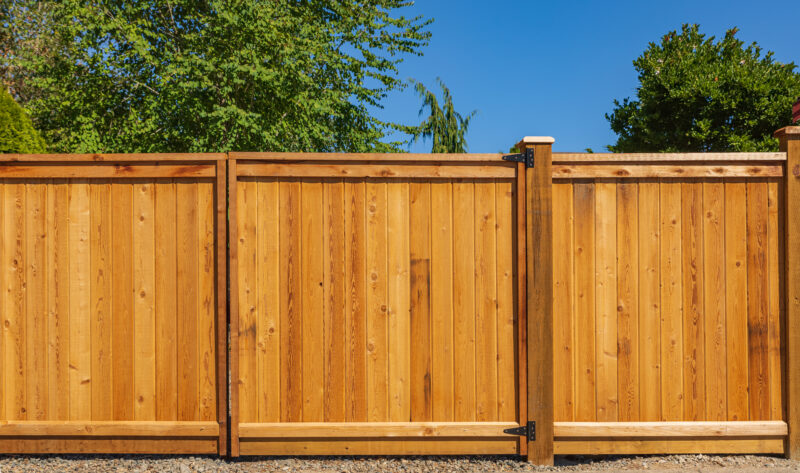
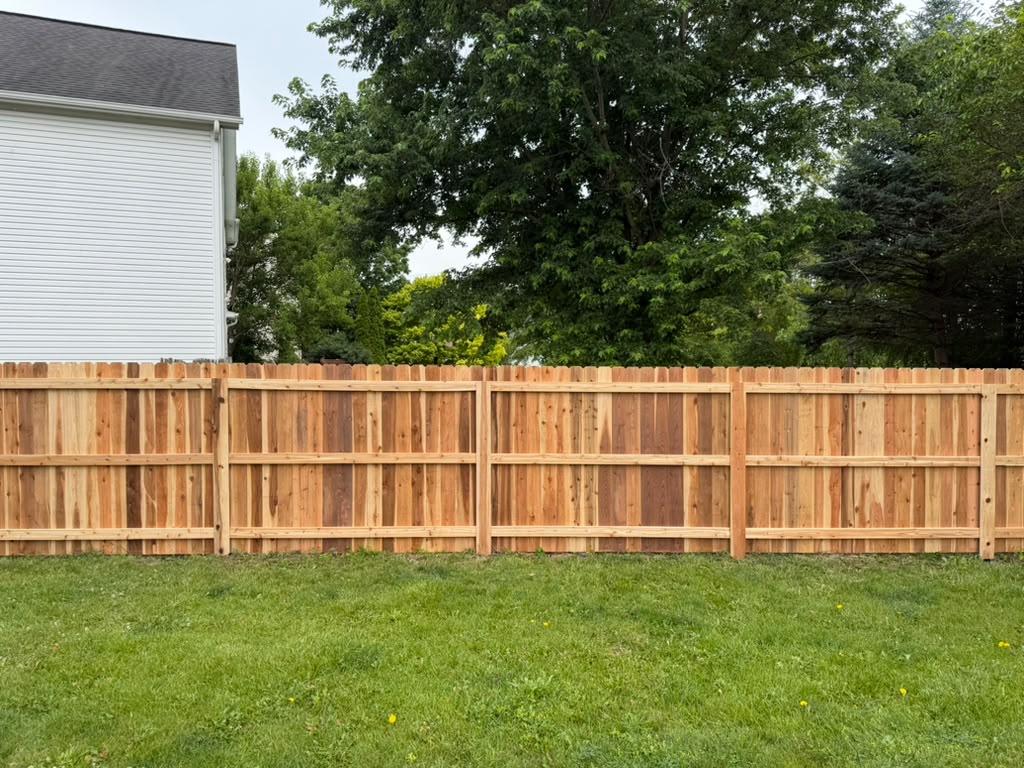
Most custom fences come down to a few core materials, though a couple of newer options have gained popularity too. Each one has its own pros and cons, and understanding the differences makes it easier to land on something that fits.
For homeowners after something a little different, a couple of specialty wood treatments have gained popularity too. Thermally modified timber is heat-treated to reduce moisture absorption and warping, giving it a caramelized tone and a longer service life than untreated wood. Shou Sugi Ban, a traditional Japanese charring technique, creates a striking black-to-silver finish while also making the wood more resistant to fire, moisture, and insects without any chemical treatment.
Each material has its strengths and trade-offs. The right choice usually comes down to what look you're going for, how much maintenance you're comfortable with, and what fits your budget.
A custom fence works best when it complements your home's architecture rather than fighting it. A fence is one of the largest visual elements on a property, often more prominent from the street than the landscaping itself, so getting the style right has a real impact on curb appeal.
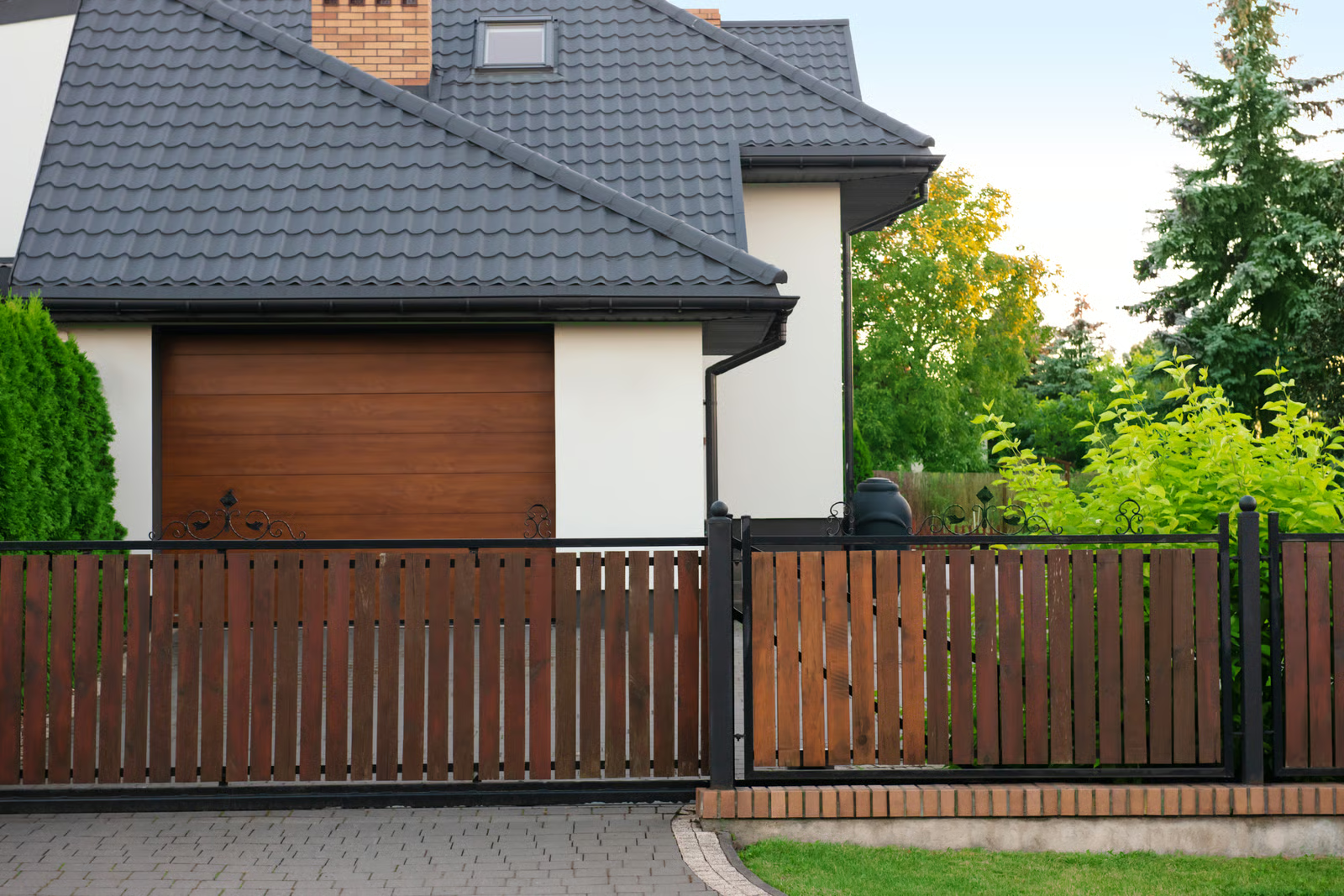
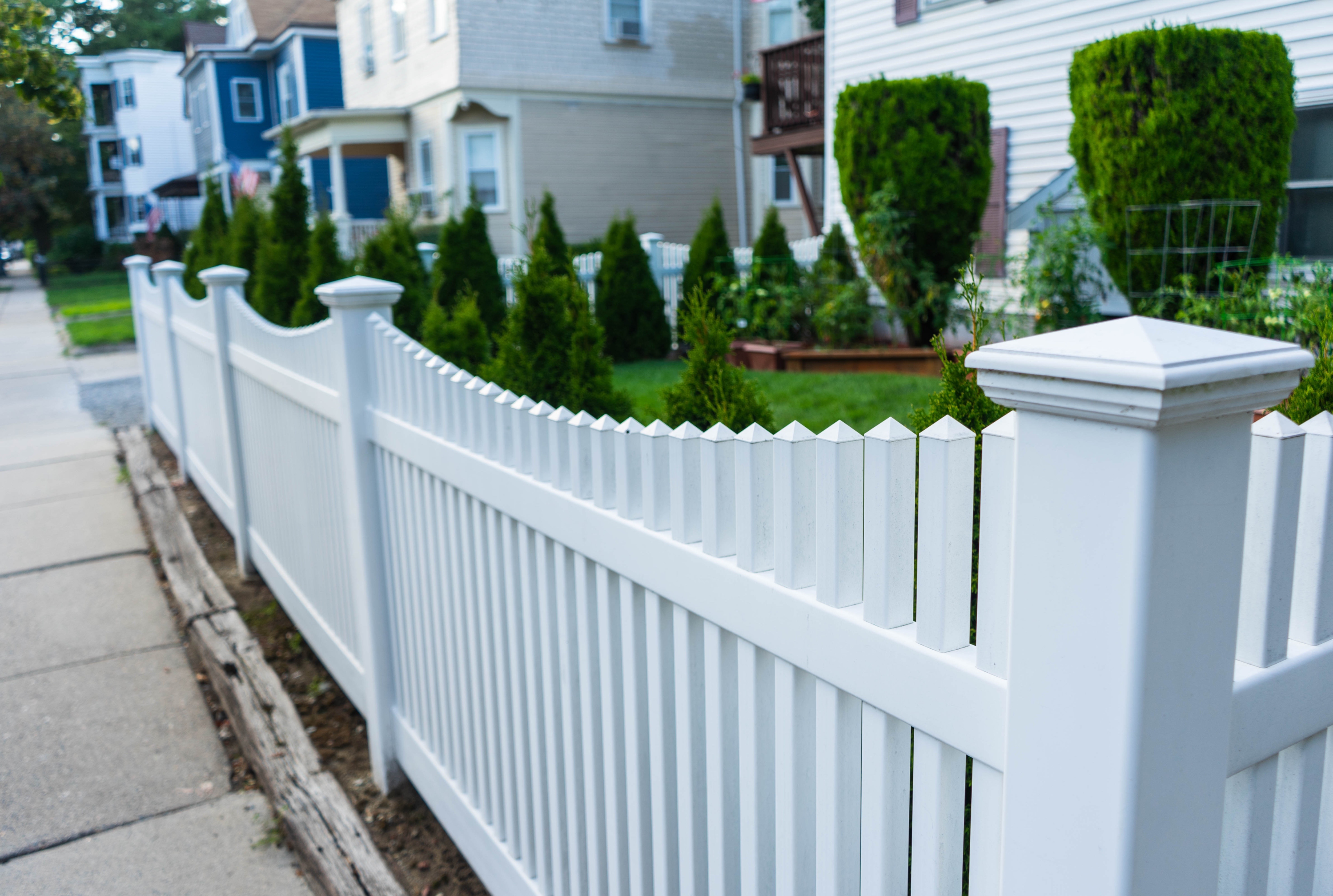
Clean horizontal lines and minimal ornamentation tend to suit modern homes, where the goal is usually a seamless, understated look that doesn't compete with the architecture. More traditional picket or scalloped styles read better against Colonial or Craftsman homes, where a bit of detail and texture actually complements the existing character rather than clashing with it. Even the gap between pickets or the profile of a post cap can shift how "matched" a fence feels to the house behind it.
This is one of the areas where custom construction has a real advantage over off-the-shelf options. A prebuilt panel comes in one style, but a custom build lets you adjust proportions, spacing, and detailing until the fence actually looks like it belongs with your home instead of just standing in front of it.
For a deeper breakdown of which fence styles pair well with different home styles, our guide on fence designs for Columbus homes covers that in detail. The sections below focus on what actually makes a custom fence customizable, beyond just matching a style.
It can be hard to picture how a fence will actually look on your property just by browsing photos online. A lot of homeowners save dozens of inspiration images but still aren't sure what will actually work with their specific house and yard, since a style that looks great in a photo doesn't always translate once you picture it against your own siding, landscaping, and lot shape.
Online fence design tools can help close that gap. They let you experiment with materials, heights, and layouts before committing to anything, and some even show how different options might look as they age or change with the seasons, which is useful for weighing a stained wood look against something like powder-coated metal that barely changes over time.
Low-tech mockups work just as well, sometimes better. Cardboard panels or stakes with ribbon can give you a more accurate feel for height and spacing than any screen, since you're seeing it in the actual light and context of your yard. It's also a practical way to give your neighbors a heads-up on what's coming before the crew shows up, which tends to smooth over any questions before they come up.
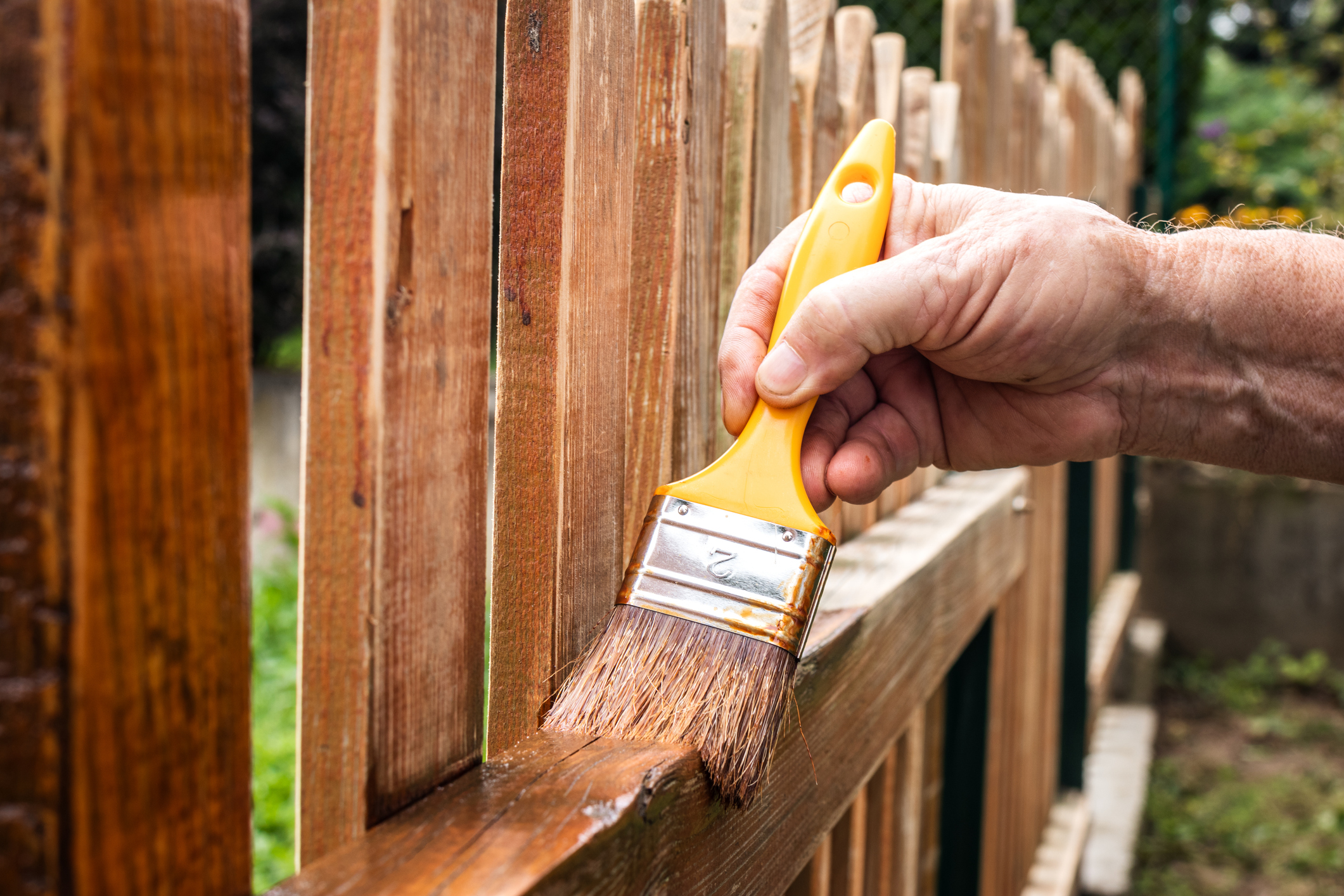
A lot of homeowners handle fence projects on their own, and plenty of custom work is totally doable that way. It really comes down to how involved the design is and how comfortable you are with the build.
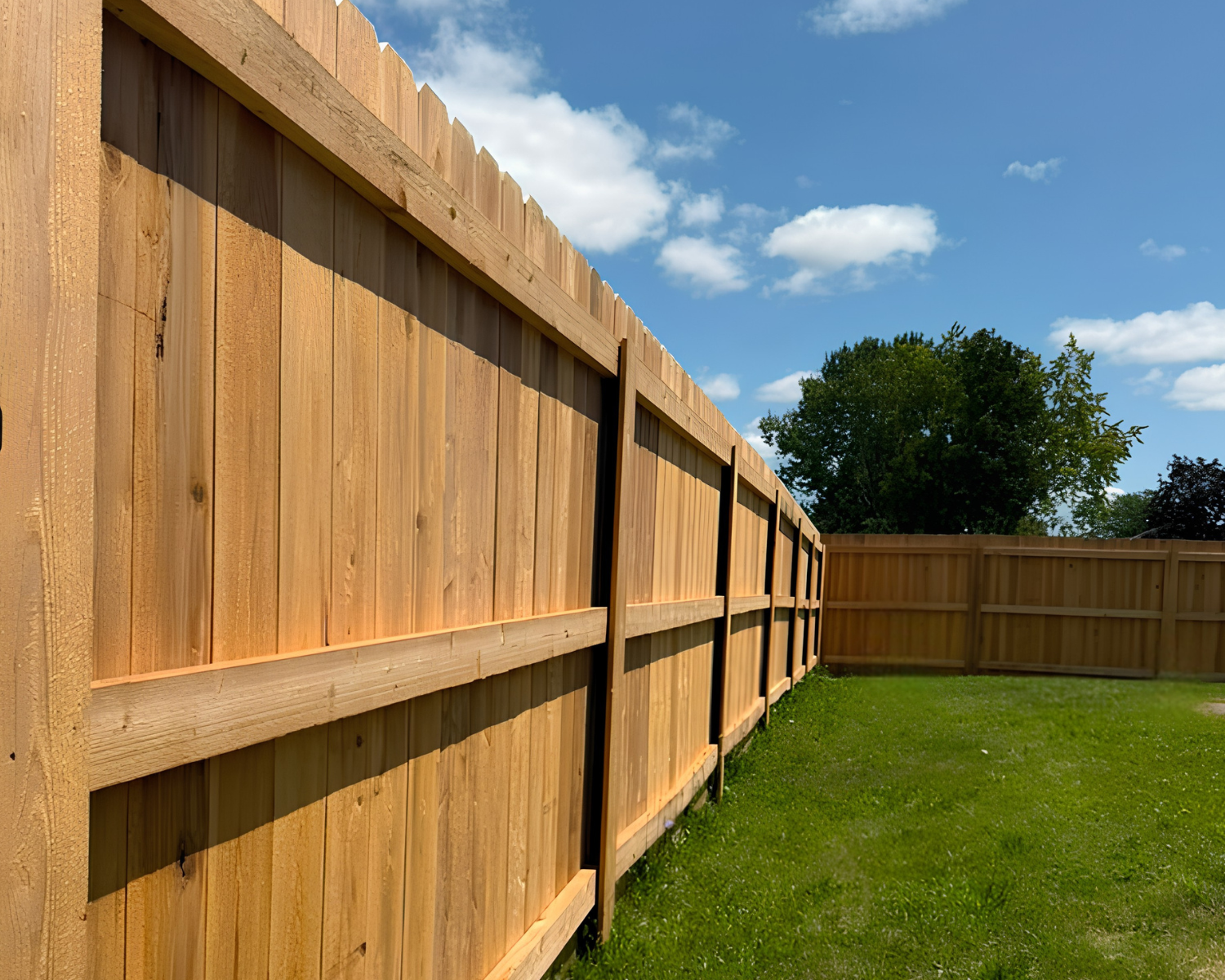
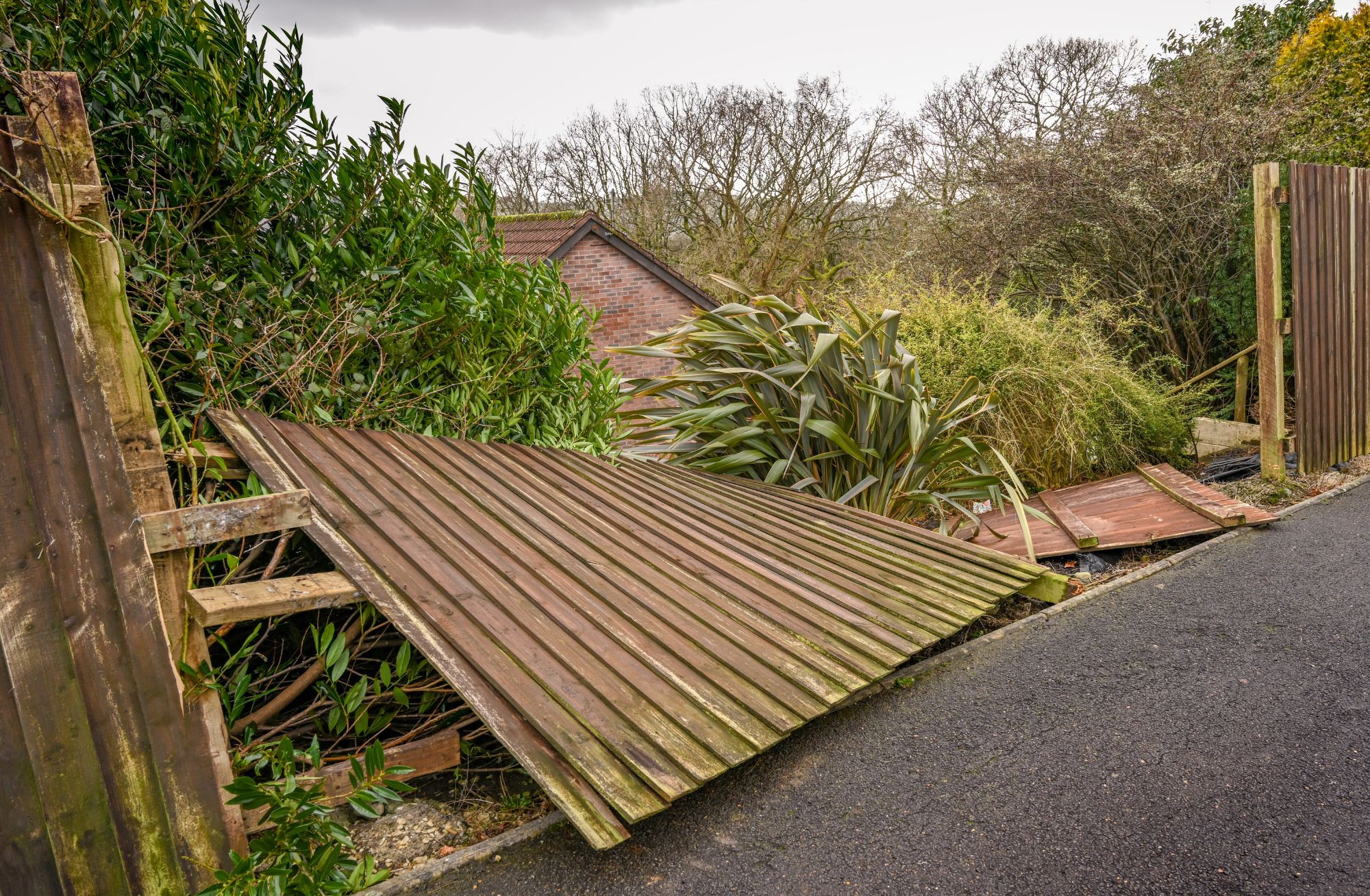
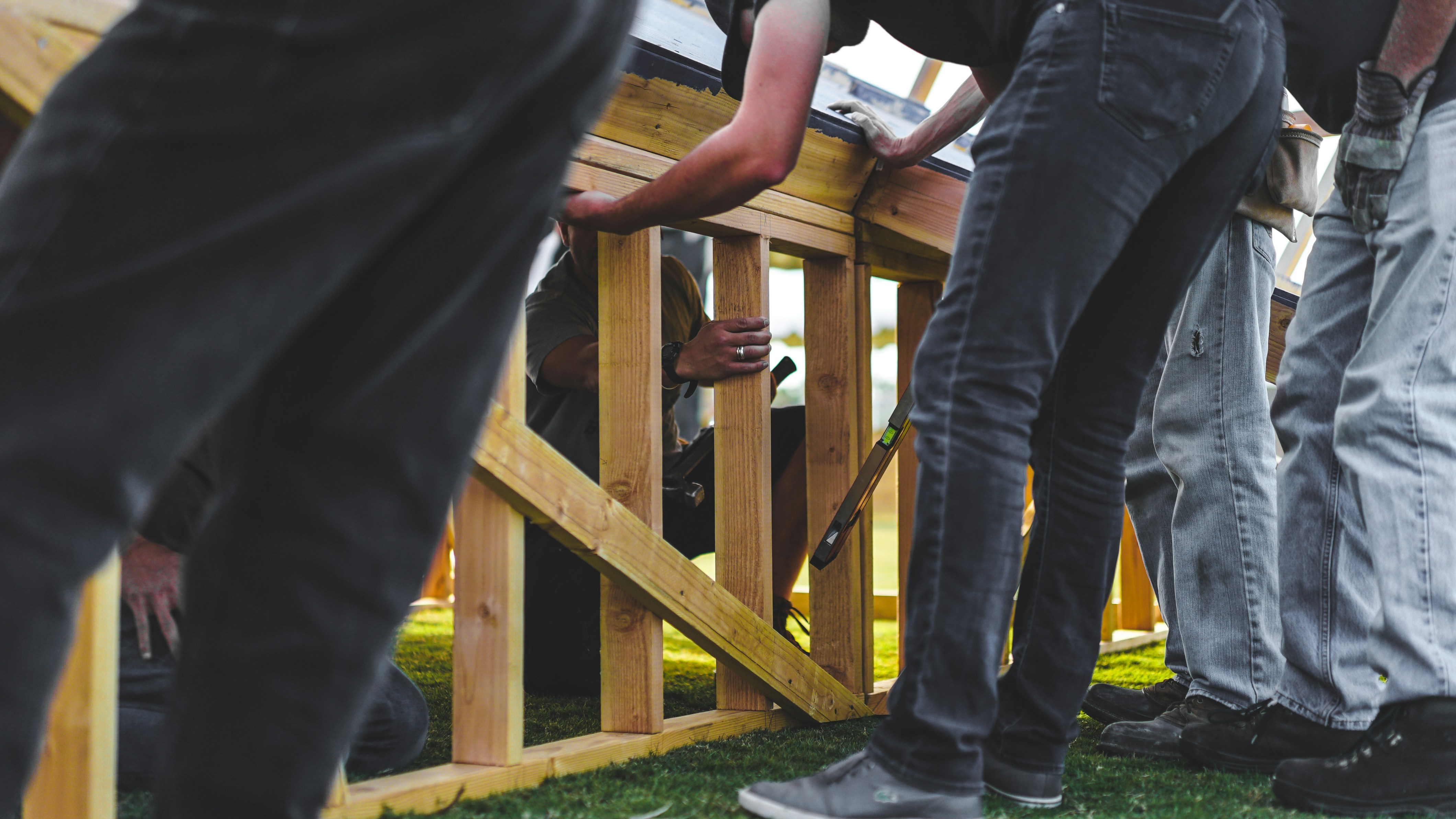
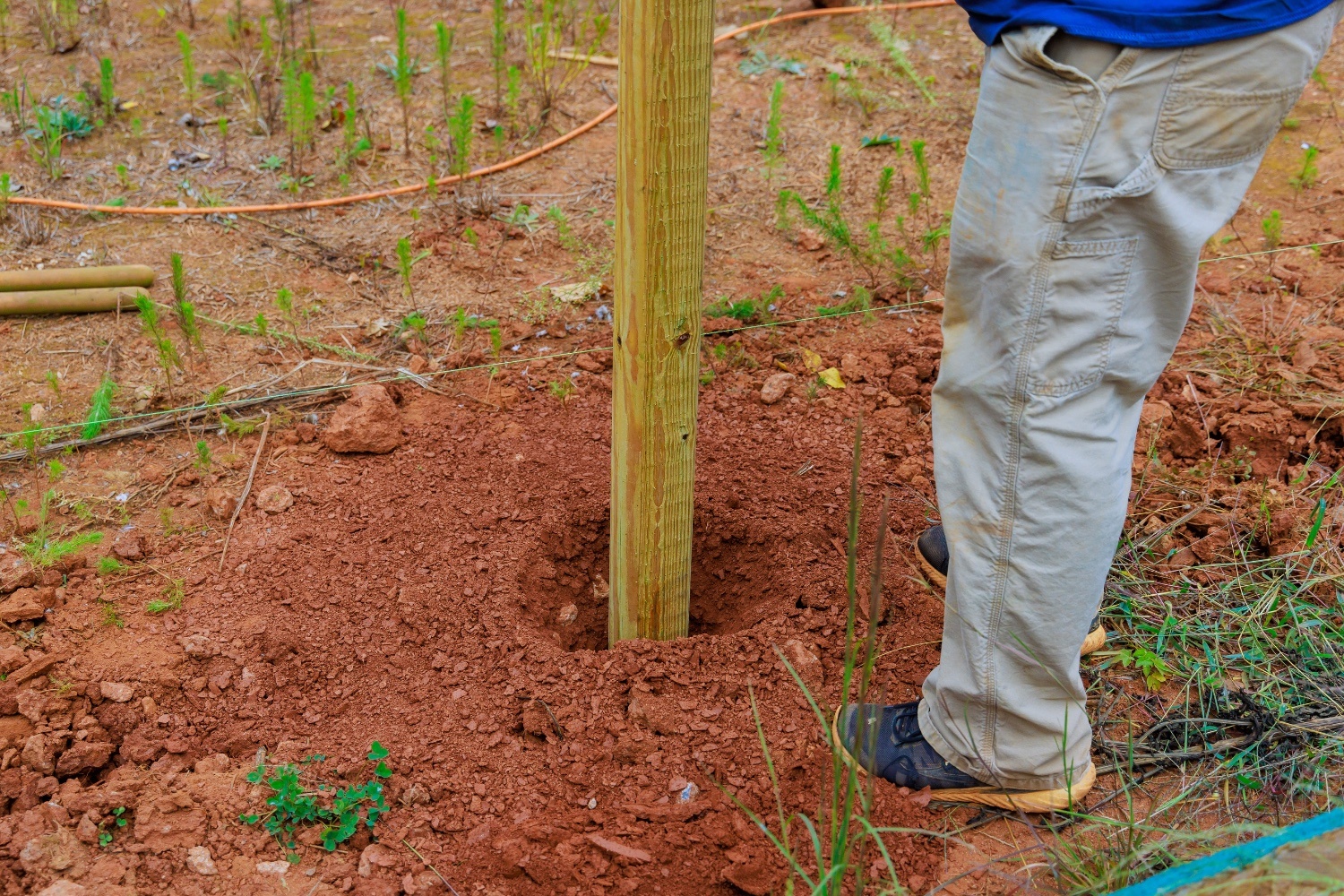
The technical side is where custom builds really raise the stakes compared to a standard fence, and it's the part that matters most. Horizontal designs need tighter post spacing than vertical pickets to keep the boards from sagging between posts. Mixed materials require fasteners and expansion joints that are compatible with each piece, since wood and metal expand and contract at different rates. Metal framing systems need precise measurements to get boards floating cleanly without visible hardware showing. Get any of these wrong, and the fence won't perform the way it's supposed to, even if it looks fine on installation day.
Professional installation also takes care of the logistics: material delivery, debris removal, cleanup, and warranty coverage. That's a major convenience on bigger projects, but it's a secondary benefit next to getting the technical details right the first time.
If you're weighing your options, talking to a contractor doesn't commit you to anything. It's a good way to get a clearer sense of what your specific design would involve before deciding whether to take it on yourself.
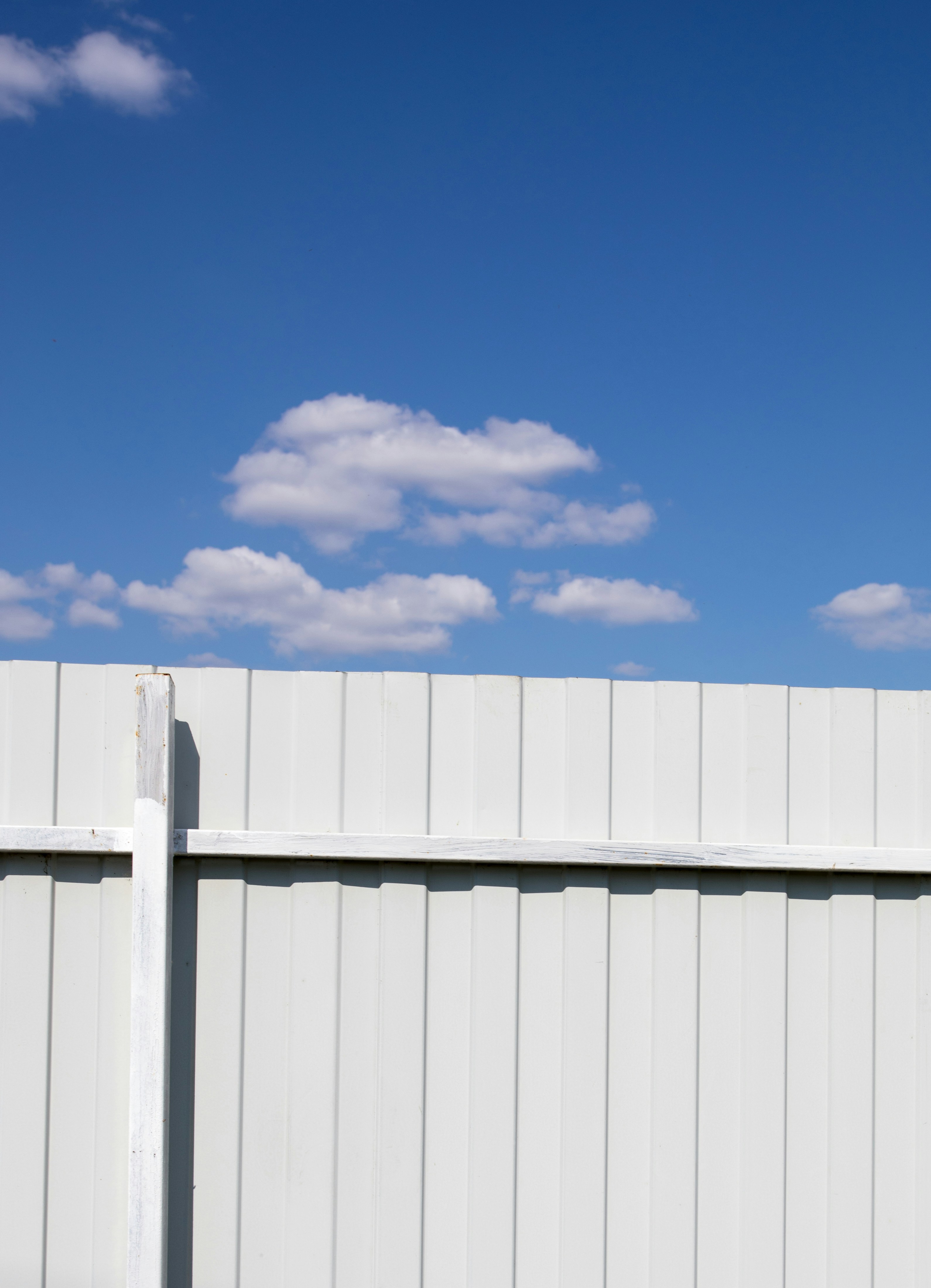
It depends on what you're going for. Cedar is popular for its natural look and takes stain well. Vinyl is low maintenance and comes in more styles than it used to. Metal framing with wood or composite panels gives you clean lines and holds up for a long time. Each has trade-offs, so it usually comes down to your priorities around look, upkeep, and budget.
There are online fence design tools that let you play around with materials, heights, and layouts before committing to anything. They're a good way to test ideas and get a feel for what might work with your home.
It varies by material. Cedar and vinyl both tend to last 20-30 years with the right care, and metal framing falls in a similar range, often 20-30+ years with minimal upkeep. Custom fences often hold up well because people tend to invest in better materials and more careful installation.
Not always. It depends on the complexity of the design and how comfortable you are with the build. Simpler custom projects are totally doable on your own. For more involved work like horizontal boards, mixed materials, or metal framing, having a pro can make things go smoother.
A well-designed fence that fits your home's style can definitely add to curb appeal. Whether it increases resale value depends on a lot of factors, but a quality fence that looks intentional rather than generic is usually seen as a plus.
For most homeowners exploring a custom design, we recommend starting with the architecture of your home rather than a Pinterest board. A fence that echoes your home's existing lines, whether that's the horizontal siding on a contemporary build or the classic proportions of a Colonial, almost always looks more intentional than one chosen purely on trend.
If you're drawn to horizontal designs or metal framing, we'd flag those as the projects where professional installation makes the biggest difference. The tighter post spacing and precise measurements these styles require are much harder to get right without experience, and mistakes are more visible on a horizontal fence than a traditional picket one.
For material selection, Columbus's clay soil and freeze-thaw cycles should factor into the decision early. Vinyl and metal framing tend to handle our climate with the least maintenance, while cedar rewards more upkeep with a distinctive, warm look that many homeowners consider a fair trade-off.
The best custom fences feel like natural extensions of the homes they surround. They solve practical needs while making your entire property look more intentional and distinctive.
Pulling that off takes a bit of thought. Custom fence designs involve balancing aesthetics with function, and personal preferences with long-term durability. If you're not sure where to start, a quick conversation with someone who's done this work can help point you in the right direction.
Create a Fence That Complements Your Modern Home
Fence Boys helps Columbus homeowners design and professionally install custom fences tailored to their style.
Get a Free Quote

.jpg)
.jpeg)
.jpg)









.jpeg)