HomeServicesLocationsBlogFAQ
Request a Quote
Choosing Your Materials

Ranch Rail Fence: Styles, Materials, and Where It Fits Best

A homeowner's guide to ranch rail fencing, covering rail layouts, wood, painted, and vinyl materials, posts, pet mesh, and where this open style fits best.

Request A ConsultationCall Us at (614) 412-4281

Ranch Rail Fence: Styles, Materials, and Where It Fits Best

Picture long horizontal boards running across a lawn with open space between them. That clean, simple line is the look of a ranch rail fence.

Many people think of farms when they hear ranch fence, but this style works just as well around a suburban yard. Homeowners choose it for a few reasons. It marks a large lot without boxing it in, and it frames a front yard while adding curb appeal. It also keeps your view open, so you can enjoy the landscape beyond it.

This guide is for Columbus homeowners who want a simple, open boundary. You'll learn how the layouts and materials differ, and you'll see when this style fits your property.

‍

Ranch Rail Fence at a Glance

A ranch rail fence marks a boundary with long horizontal boards and open space between them, so it keeps your view clear. Most use two to four rails and stand about 3 to 5 feet tall, and the material you choose, whether natural wood, painted wood, or vinyl, sets how much upkeep it needs. It works well on larger lots and front yards, though it offers no privacy, and posts set below the frost line keep it straight through Ohio winters.

‍

What Is a Ranch Rail Fence?

A ranch rail fence uses long, flat boards that run across the posts, with open gaps between them. The boards are usually 1x6 or 2x6 pieces, fastened to the face of the posts. The style goes by several names, such as ranch fence, Kentucky board fence, and post and board. They all describe nearly the same look, so the terms often get mixed together.

Split rail looks similar from a distance, but it's built quite differently.

FeatureRanch RailSplit Rail
RailsFlat boardsRough, split logs
AttachmentFastened to the post faceSlot into holes in the posts
LookClean and finishedRustic and natural
Design choicesPaint, stain, and many layoutsLimited by the post holes
BuildMore lumber and finishingSimpler to build
UpkeepMore, if painted or stainedLess, since it weathers naturally

Split rail tends to feel at home in rustic settings, while ranch rail fits yards that need a cleaner, more finished edge. For more style options, see our Top Fence Designs for Columbus Homes guide.

‍

Two-Rail, Three-Rail, and Four-Rail Layouts

The number of rails changes how the fence looks and how much open space it leaves. More rails mean tighter spacing between boards, which makes the fence feel fuller. The best count depends on the job you want it to do.

There's no national standard for rail count or height, so the figures below are typical ranges that vary by product.

LayoutTypical heightTypical useLook
Two-railAbout 3 to 4 feetMarking a boundary or lining a drivewayLight and low
Three-railAbout 4 to 4.5 feetFront yards and larger lotsBalanced, with moderate gaps
Four-railAbout 4.5 to 5 feet or moreRuns that need tighter gapsFull, with the smallest gaps

Posts usually sit about 8 feet apart, and 16-foot boards span two sections. Installers stagger the joints so they don't all land on the same post, which keeps the fence stronger.

A ranch style wood fence usually gives you more freedom with spacing, since boards can go where you want them. Vinyl, on the other hand, follows the fixed holes routed into its posts. Some manufacturers recommend at least 6 inches between the bottom rail and the ground.

Three rails is a balanced middle choice, two rails give a lighter look, and four rails give a fuller one.

‍

Wood, Painted, and Vinyl: Choosing Your Material

Most ranch rail fence projects come down to three materials: natural wood, painted wood, and vinyl. Each one trades off look, upkeep, and toughness in a different way.

MaterialLookUpkeepImpact resistanceBest fit
Natural woodWarm, with visible grainSealing or staining every few yearsModerate, and damaged boards can be replaced one at a timeA classic look with regular upkeep
Black painted poplarClassic black, Kentucky styleTouch-ups, with repainting over timeModerate, since poplar is a soft hardwood that can dentThe traditional black look
VinylUniform, in white, tan, or blackWashing onlyLower, since a hard hit in cold weather may crack itThe least upkeep

Natural Wood

A wood ranch fence gives you the warmest look, with visible grain that changes as the wood ages. Cedar and pressure-treated pine are the two common choices, and they protect themselves differently. Cedar relies on natural oils, while pressure-treated pine gets preservatives driven deep into the wood. Cedar also tends to warp less, so long boards stay straighter.

Both types need sealing or staining every few years, and the right timing depends on the wood. We cover timing in the maintenance section below.

Black Painted Poplar

Black painted poplar is a common material for the Kentucky board fence style. The boards are pressure-treated poplar that is pressure-painted black, which means the paint is pressed into the wood the same way the treatment is. Poplar is a soft hardwood that accepts pressure treatment well, which is why it works for treated board fence.

Black is the classic color for this style, and the reason is practical. In 2015, the Kentucky Horse Park announced it would change about 30 miles of white plank fence to black. The park's executive director said white paint costs about three times as much as black and needs repainting at least twice as often. Painted boards still need touch-ups over time, and keeping a little matching paint on hand makes small repairs simple.

Vinyl

A vinyl ranch fence is the lowest-upkeep choice. It needs no staining or painting, and washing is usually all it asks for. The rails lock into routed posts for a uniform look. Color options for a vinyl rail fence typically include white, tan, and black. Vinyl is rigid PVC, so a hard hit may crack it, especially in cold weather. The maintenance section below covers cleaning and winter care.

If you're unsure, you might begin with how much upkeep you'd like to take on. That's the biggest difference between the three.

‍

Posts and Hardware That Hold It Together

In a ranch rail fence, the posts do most of the structural work. There are no full panels to brace them, so each post must hold its position through wind and frost.

Choosing a Post Material

Wood posts are usually 4x4, 4x6, or 6x6 square posts, and some fences use round treated posts instead. Vinyl systems use 5x5 posts with routed holes that hold the rails in place. Wood posts tend to wear first just above and below the ground, where moisture sits.

Steel is a third option, and it comes in black to match painted boards. Steel doesn't rot, and on an open fence the dark post becomes part of the look. Steel posts can be driven into the ground with equipment or set in concrete.

Setting Posts Below the Frost Line

Columbus has a frost line of about 32 inches, so posts need to go deeper than that. An open fence catches less wind than a privacy fence, but frost heave doesn't depend on wind. Water in the soil freezes and expands, and it can push shallow posts up a little more each winter. Our Why Post Depth Matters guide covers depth, backfill, and concrete in more detail.

Gates and Hardware

A gate pulls on its posts every time it swings. For that reason, gate posts usually go 6 to 12 inches deeper than line posts. Walk gates are often about 3 to 4 feet wide, and double drive gates usually run about 10 to 16 feet. A steel frame is one way to keep a larger gate from sagging.

Hinges, latches, and fasteners matter too. Galvanized or stainless steel hardware holds up better outdoors than standard hardware. Strong posts and good hardware are what keep an open fence straight and the gate swinging smoothly for years.

‍

Keeping Pets and Small Animals Contained

Open ranch fencing looks light, but its gaps let small pets slip out and small animals wander in. Containment comes from mesh added to the fence, not from the boards themselves.

Adding Mesh to the Inside

Welded wire or vinyl-coated mesh goes on the inside face of the fence. That placement keeps the outside rails from becoming a ladder for climbers. Black coated wire nearly disappears against black boards, so the fence keeps its open look.

The right opening size depends on the animal:

  • 2 by 4 inch welded wire works well for medium and large dogs.
  • 2 by 2 or 1 by 2 inch wire is better for small dogs.
  • 1 by 1 inch galvanized wire is a good match for keeping out smaller animals.

Welded wire in 14 gauge is a common choice for dogs. It works best on level ground, while woven wire flexes to follow a slope.

Closing the Gaps Below

The space under the bottom rail is an easy escape route for small pets, so you may want to run the mesh close to the ground. For dogs that dig, an L-shaped mesh footer buried along the base and extending outward can block tunneling. Our dog fence guide covers dig barriers and gate latches in more detail.

What Mesh Doesn't Change

Mesh doesn't add height, so an athletic dog may still be able to clear a ranch rail fence that stands 3 to 5 feet tall. Calm dogs that don't climb tend to be the best match for this style. Horizontal rails can give climbers footholds, and an open fence lets reactive dogs watch every movement outside. A fence with full panels may serve these dogs better.

‍

Where Ranch Rail Works Well (and Where It Doesn't)

A ranch rail fence is a great way to mark a boundary, though it doesn't offer privacy or reduce noise. If either one matters to you, you may be happier with a different style.

Where It Works Well

Ranch rail tends to shine where an open boundary matters more than screening:

  • Larger lots are a good match, since long runs of full panels can feel heavy.
  • Front yards feel welcoming behind a low, open fence.
  • Property lines get a clear boundary without blocking sightlines.
  • Rural-edge and wooded lots let an open fence blend into the landscape.
  • Properties with a view keep that view when the fence stays open.

Ranch-style homes are a natural match as well. Their long, low rooflines pair nicely with the horizontal lines of ranch style fences. A front fence of about 3 to 4 feet is often suggested for these homes, since it stays easy to see over.

When Another Style May Be a Better Fit

If you'd like to block a view or keep your yard private, a different style may serve you better. Dogs that climb or react to passersby may also do better behind a fence with full panels, such as board-on-board.

A Few Rules to Check Before You Build

In Columbus, fences 6 feet or under generally don't need a building permit. The city does regulate front-yard fences on lots with a driveway, though. Those rules cover where the fence can sit and how open it must be. Open styles like ranch rail are often easier to fit within them. Rules vary by suburb, so it's a good idea to check with your local municipality before you finalize a design.

If your neighborhood has an HOA, approval typically comes before building. Most HOAs review height, material, color, and placement, and the homeowner submits the application. An installer can supply specifications and site plans to support it. Our HOA approval guide walks you through the process, and getting approval first can spare you from fines or changes later.

‍

Keeping Your Ranch Rail Fence Looking Sharp

Ranch rail fencing is easy to care for with a simple routine, and the details depend on the material you choose.

Painted Boards

Small chips and cut ends are the usual spots that need attention, and a quick touch-up protects the wood underneath. When the paint begins to fade, a fresh coat is a good idea. Before repainting, you can wash the boards, scrape off loose paint, and replace any damaged boards. The Kentucky Horse Park described this same approach for its black fences.

Natural Wood

Sealing or staining every few years protects the boards, and the right timing depends on the wood and the product. Following the label on your sealer is a good place to start. Our Wood Fence Maintenance Guide explains the timing for cedar and pressure-treated pine.

Vinyl

Washing with low pressure and a mild cleaner is usually enough. Bleach can yellow colored vinyl, so it's best avoided on black or tan rails. In winter, a soft broom is gentler on cold vinyl than metal shovels or ice tools. Our Vinyl Fence Care guide shares more cleaning tips.

A Quick Spring Check

A short walk along the fence each spring lets you catch small issues early:

  • Look for posts that lifted or leaned during winter's freeze and thaw.
  • Check for loose boards, fasteners, and gate hinges.
  • Clear plants and debris away from the base of the fence.
  • Touch up or reseal any boards that look worn.

A quick check like this is usually enough to keep a ranch rail fence straight and looking its best.

‍

Ranch Rail Fence FAQs

What is a ranch rail fence, and how is it different from split rail?

A ranch rail fence uses flat boards fastened to the face of the posts, which gives it a clean, finished look. Split rail uses rough rails that slot into the posts, so it has a more rustic look.

How many rails does a ranch rail fence need?

Two rails mark a boundary, while three or four give a fuller look with tighter spacing. A fencing professional can suggest a layout that works for your property.

Can you add wire mesh to a ranch rail fence?

Yes. Welded wire or vinyl-coated mesh goes on the inside face and nearly disappears from view. It keeps pets in and small animals out. Mesh doesn't add height, though, so athletic jumpers may still clear a lower fence.

How tall is a ranch rail fence?

Most ranch rail fences stand about 3 to 5 feet tall. Two-rail layouts run lower, and three- or four-rail layouts run taller. Front yards often limit fence height, so it's a good idea to check with your municipality and HOA first.

What kind of posts does a ranch rail fence use?

Wood posts and metal posts both work well. Metal posts resist rot and keep a slim, dark look. Either way, posts need to go deeper than Columbus's frost line of about 32 inches.

‍

What Fence Boys Recommends for Columbus Homeowners

If you're gathering ideas for ranch fences, a good place to start is with how you plan to use your yard. A ranch rail fence is a lovely choice for an open, classic boundary, and the material you pick shapes the upkeep that follows. Painted poplar or natural wood gives a traditional look, while vinyl appeals to those who'd like the least upkeep. If you have pets, planning the mesh from the start lets it go in neatly.

If privacy matters most to you, a low ranch rail fence along the front with a taller privacy fence in the back can be a good pairing. It keeps the front yard open and welcoming while giving you a private space behind the house. For long runs, gates, and sloped lots, a professional's eyes early on can catch small layout details that are easy to miss.

‍

Choosing a Ranch Rail Fence That Fits Your Yard

A ranch rail fence is really about openness and curb appeal. It marks your boundary with a clean, classic line, and it lets the view stay open. That's why it works so well on larger lots and front yards.

As you compare your options, consider weighing each material against how you use your yard. Natural wood and painted poplar offer a traditional look with some upkeep, while vinyl keeps the care simple. The right posts and mesh also keep the fence straight and secure for your pets. Taking a little time to match these choices to your property can give you a fence you enjoy for years.

Ready to Plan Your Ranch Rail Fence?

Fence Boys offers free consultations for Columbus homeowners, and we'll talk through the layout and material that fit your yard.

Get a Free Quote

Introduction

  • The hidden connection between strategic fencing and home energy costs
  • How proper fence placement can reduce heating and cooling expenses
  • Ohio's wind patterns and their impact on home energy efficiency
  • The role of fencing in creating beneficial microclimates around your home
  • Environmental benefits of energy-efficient fence planning
  • Integration with other energy-saving home improvements
  • The Fence Boys' approach to energy-conscious fence design and placement

Understanding Ohio's Wind Patterns and Energy Impact

Seasonal Wind Patterns Across Ohio

  • Prevailing winter wind directions (typically northwest) and heating impact
  • Summer wind patterns and their effect on cooling costs
  • Regional variations in wind patterns across Ohio (lake effect, topography)
  • How wind speed affects home energy loss through infiltration
  • Microclimate variations in urban vs. rural Ohio settings

‍

Wind Chill and Heat Index Effects

  • How wind increases the effective temperature difference your home experiences
  • Infiltration air leakage and its impact on HVAC system efficiency
  • Wind-driven pressure differences and their effect on home comfort
  • Seasonal energy cost variations related to wind exposure
  • The compound effect of wind and temperature on energy consumption

Home Exposure Assessment

  • Identifying vulnerable sides of your home to prevailing winds
  • Measuring current wind exposure and energy impact
  • Understanding how landscaping and neighboring structures affect wind patterns
  • Assessing potential energy savings from strategic wind protection
  • Tools and techniques for wind pattern analysis on your property

Strategic Windbreak Fence Design

Optimal Fence Placement for Energy Savings

  • Distance calculations for maximum windbreak effectiveness (6-10 times fence height)
  • Angle considerations for deflecting rather than blocking wind
  • Height requirements for effective wind protection
  • Integration with existing landscaping and structures
  • Multi-level windbreak systems combining fences with vegetation

Fence Design for Wind Management

  • Porosity considerations: solid vs. semi-permeable fence designs
  • How different fence styles affect wind flow patterns
  • Creating wind shadows for maximum home protection
  • Avoiding wind tunnel effects and turbulence creation
  • Seasonal adjustability options for changing wind patterns

Material Selection for Windbreak Fencing

  • Durability requirements for windbreak fences exposed to constant wind stress
  • Weight and structural considerations for wind load resistance
  • Material thermal properties and their impact on microclimate creation
  • Maintenance requirements for windbreak fencing in Ohio's varied weather
  • Cost-effective material choices for large windbreak installations

Regional Ohio Considerations

  • Lake Erie shoreline wind protection strategies
  • Hill country and valley wind pattern management
  • Urban heat island effects and fence-based mitigation strategies
  • Agricultural area wind protection integration with rural fencing needs
  • Suburban wind pattern modification for energy efficiency

Summer Cooling Strategies with Fencing

Shade Creation and Heat Reduction

  • Strategic fence placement for morning and afternoon sun protection
  • Integration with pergolas and shade structures
  • Vine and climbing plant integration for enhanced cooling
  • Reflective fence materials and colors for heat reduction
  • Creating cool microclimates around patios and outdoor living areas

Air Flow Management for Natural Cooling

  • Directing beneficial summer breezes toward your home
  • Creating venturi effects for enhanced air movement
  • Positioning fences to channel cooling airflow through outdoor spaces
  • Preventing hot air accumulation in landscaped areas
  • Integration with home ventilation strategies and window placement

Heat Island Reduction Techniques

  • Using fencing to break up large paved areas that create heat islands
  • Strategic placement to shade driveways, walkways, and patios
  • Integration with permeable surfaces and landscaping for cooling
  • Color and material selection for minimal heat absorption and retention
  • Creating multiple shade zones throughout your property

Winter Wind Protection and Heating Efficiency

Reducing Winter Heat Loss

  • Blocking cold northwest winds that increase home heat loss
  • Creating wind shadows that reduce infiltration air leakage
  • Strategic fence placement to protect HVAC equipment from wind exposure
  • Reducing wind chill effects on home exterior surfaces
  • Integration with foundation landscaping for comprehensive wind protection

Snow Management and Drift Control

  • Using fences to control snow drift patterns away from home foundations
  • Creating windbreaks that reduce snow accumulation around HVAC equipment
  • Strategic placement to maintain clear pathways and driveways
  • Preventing snow loading on home roofs through wind pattern modification
  • Integration with snow removal and winter maintenance strategies

Microclimate Creation for Winter Comfort

  • Creating protected outdoor spaces for winter use
  • Sun trap design for maximizing winter solar gain
  • Wind protection for outdoor equipment and utilities
  • Extending the usable season for outdoor spaces through wind protection
  • Integration with seasonal outdoor activities and winter landscape design

Integration with Renewable Energy Systems

Solar Panel Protection and Optimization

  • Wind protection for roof-mounted solar panel systems
  • Reducing debris accumulation on solar panels through strategic windbreaks
  • Creating microclimates that optimize solar panel efficiency
  • Fence-mounted solar options for energy generation and wind protection
  • Integration planning for future renewable energy system installation

Geothermal System Integration

  • Protecting geothermal equipment from wind exposure and debris
  • Strategic fencing around geothermal installation areas
  • Integration with geothermal landscaping requirements
  • Access considerations for geothermal system maintenance
  • Long-term planning for geothermal system expansion

Energy Efficiency Measurement and ROI

Calculating Energy Savings from Strategic Fencing

  • Methods for measuring before and after energy consumption
  • Typical energy savings percentages from effective windbreak installation
  • Seasonal variations in energy savings from wind protection
  • Integration with whole-home energy efficiency assessments
  • Documentation for utility company rebate and incentive programs

Cost-Benefit Analysis

  • Initial investment in energy-efficient fence design vs. ongoing energy savings
  • Payback period calculations for windbreak fence installations
  • Property value impact of energy-efficient landscaping and fencing
  • Maintenance costs vs. energy savings over fence lifetime
  • Financing options for energy-efficiency focused fence projects

Utility Rebates and Incentives

  • Ohio utility company programs for energy efficiency improvements
  • Federal and state tax incentives for energy-efficient home improvements
  • Documentation requirements for energy efficiency rebate programs
  • Integration with other home energy efficiency projects for maximum incentives

Professional Assessment and Implementation

  • Working with energy auditors to assess wind impact on home energy usage
  • Coordination with HVAC professionals for comprehensive efficiency planning
  • Landscape architect consultation for integrated windbreak design
  • Professional wind pattern analysis and fence placement optimization
  • Quality installation requirements for maximum energy efficiency benefits

Conclusion: Fencing Your Way to Lower Energy Bills

  • The strategic value of energy-conscious fence planning
  • Long-term financial and environmental benefits of windbreak fencing
  • The Fence Boys' expertise in energy-efficient fence design and placement
  • Next steps for energy-efficiency focused fence consultation

Related Resources

  • For information on proper foundations for windbreak fencing, see our guide: "Why Post Depth Matters: The Foundation of a Long-Lasting Fence"

‍

Related Posts

View All Posts
Green fence panels with concrete posts stepping down a grassy slope beside a narrow dirt path
The Installation Process

Fencing a Challenging Landscape: Slopes, Rocky Soil, and Trees

A guide for Columbus homeowners on how slopes, rocky soil, and mature trees change fence installation, covering layout, drainage, drilling, and tree protection.
Four-rail ranch fence running across a green lawn in front of a ranch-style home
Choosing Your Materials

Ranch Rail Fence: Styles, Materials, and Where It Fits Best

A homeowner's guide to ranch rail fencing, covering rail layouts, wood, painted, and vinyl materials, posts, pet mesh, and where this open style fits best.
Wooden Gate Texture with Brown Wood and Hardware
Planning Your Project

Fence Gates: How to Choose the Right Type, Size, and Hardware

A homeowner's guide to choosing a fence gate, covering gate types, widths, swing direction, posts, hardware, materials, and gates on slopes.
House with wood-slat siding behind a wooden fence at dusk.
Maintenance

Storm-Proofing Your Ohio Fence: Materials and Designs Built for Severe Weather

A practical guide to storm-resistant fencing for Columbus homeowners, covering material tradeoffs, wind-resistant design choices, and installation details that matter most in Central Ohio's climate.
Wood and metal privacy fence with gate in front of a well-maintained home.
Planning Your Project

Fence Investment & Property Value: The Complete ROI Guide

An honest, appraisal-backed guide to fence ROI for homeowners, covering the real return range, a simple formula, which materials perform best, and when to time installation.
Weathered wood fence with gray, discolored boards and climbing vines overhead
Planning Your Project

Signs Your Old Fence Needs Replacement (And What to Do Next)

A practical guide for Columbus homeowners on the physical warning signs, including a leaning fence and post rot, that point toward fence replacement rather than another repair.
Tape measure and blank paper resting in the grass, ready for property planning
Planning Your Project

Fence Planning Tools & Apps: The Best Free Online Fence Calculators in 2026

A guide to the best free online fence calculators and design apps for 2026, covering how to use them accurately and turn calculator research into real contractor conversations.
Horizontal wood slat fence with green vines growing through the gaps in sunlight
Choosing Your Materials

Custom Fence Options for Modern Homes

A guide to custom fence design for Columbus homeowners, covering materials, architectural style matching, planning tools, and when professional installation matters most.
Wood fence with snow-covered evergreen branches after a winter storm
The Installation Process

How to Set Fence Posts in Cold Weather

A practical guide for Columbus homeowners on installing fence posts in winter, covering frozen ground digging, cold-weather concrete, curing times, and when to call a professional.
New wood privacy fence lining a sunny backyard with green grass and trees
Choosing Your Materials

Affordable Fencing Ideas That Don't Compromise on Style

A practical guide to affordable fencing for Columbus homeowners, covering budget-friendly materials, DIY and partial DIY options, design techniques, and how to hire smart.
Vegetable seedlings in a raised garden bed beside a wooden fence
The Installation Process

DIY Garden Fences: Protecting Vegetables & Small Animals

A step-by-step DIY guide for Columbus homeowners on building garden fences that keep out rabbits, groundhogs, and deer, covering materials, installation, and buried barriers.
Aging wood privacy fence with weathered gray boards in an overgrown backyard
Maintenance

Common Fence Damage: Identification, Prevention and Repair Solutions to Consider

A practical guide for Columbus homeowners on identifying common fence damage by material type, staying ahead of problems with a seasonal routine, and knowing when to repair versus replace.
Cedar privacy fence with trees in the summer
Maintenance

How Weather Affects Your Fence: Building for Ohio's Climate

A guide to building and maintaining fences for Ohio's climate, covering material performance, installation, and seasonal maintenance.
New cedar privacy fence with wood fence panels.
Choosing Your Materials

Fence Panels vs. Custom Builds: Which is Best for Your Project?

A practical comparison of prebuilt fence panels and custom fence builds for homeowners weighing cost, lifespan, terrain, and long-term fit for their property.
 Clean white vinyl fence with soft clouds in a bright blue sky
Maintenance

Vinyl Fence Care: Keeping It Looking New for a Decade+

A practical guide to vinyl fence care covering cleaning methods, seasonal maintenance, and how to prevent the most common sources of damage.
Black wrought-iron fence with decorative spear finials and a blurred residential background.
Maintenance

Decorative Metal Maintenance: Protecting Your Investment

A material-specific guide to decorative metal fence maintenance covering aluminum, steel, and wrought iron care routines and seasonal tips.
A white vinyl privacy fence runs across a grassy yard and follows the natural slope of the terrain.
Planning Your Project

How to Determine the Right Fence Size for Your Property

A practical guide for Columbus homeowners on how slopes, mature trees, pools, easements, and irregular lot shapes affect fence planning before installation begins.
Two girls holding hands and running across a grassy yard.
Planning Your Project

Child-Safe Fence Options for Family Properties

A practical guide for Columbus homeowners on choosing a child-safe fence, covering materials, essential safety features, and how your child's age should shape the decision.
Alt text: Person filling out a price quote form on a blue clipboard.
Planning Your Project

Why Fence Quotes Vary So Much: Hidden Costs and Corner-Cutting to Watch For

A practical guide for Columbus homeowners on understanding why fence quotes vary, what costs are commonly left out of estimates, and how to compare contractors accurately.
Approved document with a red stamp, ink pad, and pen on a desk.
Planning Your Project

Navigating HOA Approvals for Your New Fence

A practical guide for Columbus homeowners on navigating HOA fence approvals, covering documentation requirements, the review process, and how to handle denials or conditional approvals.
Fallen wooden fence panels lying beside a road, with dense shrubs and trees in the background
Maintenance

After the Storm: Emergency Fence Assessment and Repair in Ohio

A practical guide for Columbus homeowners on assessing fence damage after a storm, documenting for insurance, deciding between repair and replacement, and choosing a trustworthy contractor.
White vinyl fence along a grassy yard with trees and houses in the background.
Planning Your Project

Property Lines and Fence Installation: What Every Homeowner Must Know First

A practical guide for Columbus homeowners on confirming property lines before fence installation, covering surveys, neighbor communication, and placement best practices.
Small patio enclosed by horizontal wooden slat fencing with a table, chairs, and artificial grass.
Choosing Your Materials

Backyard Fence Inspiration: Privacy, Pet Safety & Decorative Styles

A practical guide to backyard fencing for Columbus homeowners, covering privacy options, pet-safe designs, and decorative styles that enhance curb appeal.
Dog sitting in a grassy suburban backyard enclosed by a wood privacy fence.
Planning Your Project

The Right Fence Choice for Dogs: Beyond Height Requirements

A practical guide for Columbus homeowners on choosing the right fence for their dog, covering escape styles, material trade-offs, gate hardware, and dig barriers.
White vinyl fence enclosing a grassy yard.
Choosing Your Materials

Wood, Vinyl, & Metal: Which One is Best for Your Yard?

A straightforward comparison of wood, vinyl, and decorative metal fencing for Columbus homeowners, covering long-term maintenance, lifespan, and how to match a material to your property.
A modern brown horizontal-slat yard fence runs along a brick base, bordered by tall green hedges that provide privacy and landscaping.
Choosing Your Materials

Top Fence Designs for Columbus Homes: From Modern to Traditional

A guide to modern and classic fence designs for Columbus homeowners, covering style options by architecture and how to choose the right fit.
Hand applying wood stain to a cedar fence with paintbrush against blue sky.
Maintenance

Complete Wood Fence Maintenance Guide: From Installation to Maximum Lifespan

A year-by-year guide to wood fence maintenance covering cedar and pressure-treated pine care, seasonal routines, and when to call a pro.
A worker wearing protective gloves uses a tape measure to measure a concrete base on gravel, preparing the layout for building a yard fence.
Planning Your Project

How to Measure Your Yard for a Fence (And Avoid Costly Mistakes)

A practical step-by-step guide for Columbus homeowners on how to measure their yard for a fence, calculate linear feet, and avoid common measuring mistakes.
DIY fence-building project in progress, featuring a partially installed wooden fence, stacked timber pieces, and construction materials arranged on a gravel surface.
Planning Your Project

DIY vs. Professional Fence Installation: What Homeowners Should Know

An honest breakdown of DIY vs. professional fence installation, covering real costs, legal considerations, common mistakes, and a decision framework for Columbus homeowners.
Light brown wooden privacy fence covered with snow, standing against a snowy white background in winter.
The Installation Process

Seasonal Fencing: The Pros and Cons of Installing in Each Season

A season-by-season breakdown of fence installation timing for Columbus homeowners, covering scheduling realities, ground conditions, and honest trade-offs for every time of year.
Close-up of a clipboard holding a “Request for Quotation” form on a wooden desk, with a calculator beside it.
Planning Your Project

Your Fence Quote Prep Checklist: How to Avoid Costly Surprises
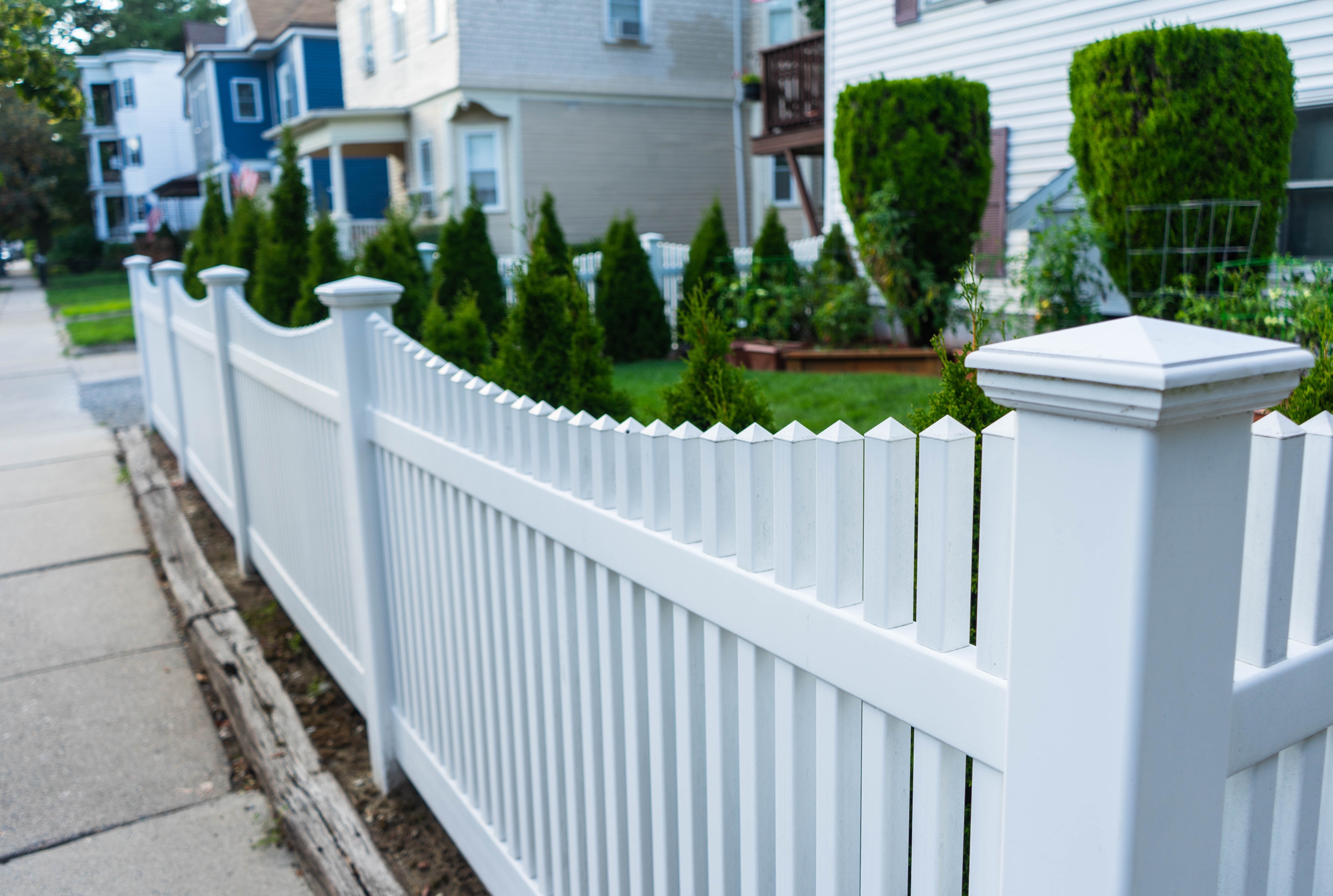
A practical checklist for Columbus homeowners preparing for a fence quote consultation, covering property lines, documents, site prep, and what to expect on the day.
Contractor and homeowner discuss preparations for a new fence installation beside a partially completed wooden fence.
Planning Your Project

10 Questions to Ask Before Hiring ANY Fence Contractor

Ten practical questions to ask any fence contractor before signing, covering post depth, concrete, materials, warranties, property lines, and follow-up support.
A long white fence stretched along a sidewalk in a suburban neighborhood.
The Installation Process

Fence Installation Near Me: What to Look For (and Avoid) in Columbus Contractors

A practical guide for Columbus homeowners on how to vet local fence contractors — what credentials to check, what a good estimate includes, and what red flags to avoid.
Worker using a chainsaw to cut and remove old wooden fencing outdoors, with sawdust flying around the work area.
The Installation Process

How We Handle Old Fence Removal: Our Clean Process Explained

How Fence Boys handles old fence removal in Columbus — post extraction, concrete footing removal, responsible disposal, and full site cleanup before your new fence goes in.
Worker measuring wooden fence boards with a tape measure during residential fence installation in a backyard
Fencing

Fence Terminology Decoded: A Visual Guide for Homeowners

A plain-language guide to fence terminology — from posts and rails to frost lines and pressure treatment grades. Everything you need to follow contractor conversations with confidence.
Workers installing a wooden fence outdoors, positioning support posts and securing the frame during the construction process.
The Installation Process

What to Expect on Fence Installation Day with Fence Boys

A practical guide to fence installation day in Columbus — what to prep beforehand and what Fence Boys does from morning walkthrough to final cleanup.
A wooden post is being set into a deep, freshly dug hole in red soil.
The Installation Process

Why Post Depth Matters: The Foundation of a Long-Lasting Fence

Why post depth is the single most important factor in fence longevity and what Fence Boys does differently to make sure Columbus installations hold up through Ohio's winters.
Close-up of a fence quotation form with pen, calculator, and reading glasses on a desk
Choosing Your Materials

What Actually Affects Your Fence Cost in Columbus (Beyond Just the Material)

Why do two quotes for the same fence vary by thousands? Slope, soil, gate count, and board spacing all shift the number more than material choice.
Calendar with pinned dates representing a fence installation project timeline
The Installation Process

The Fence Installation Timeline: What to Expect from Quote to Completion
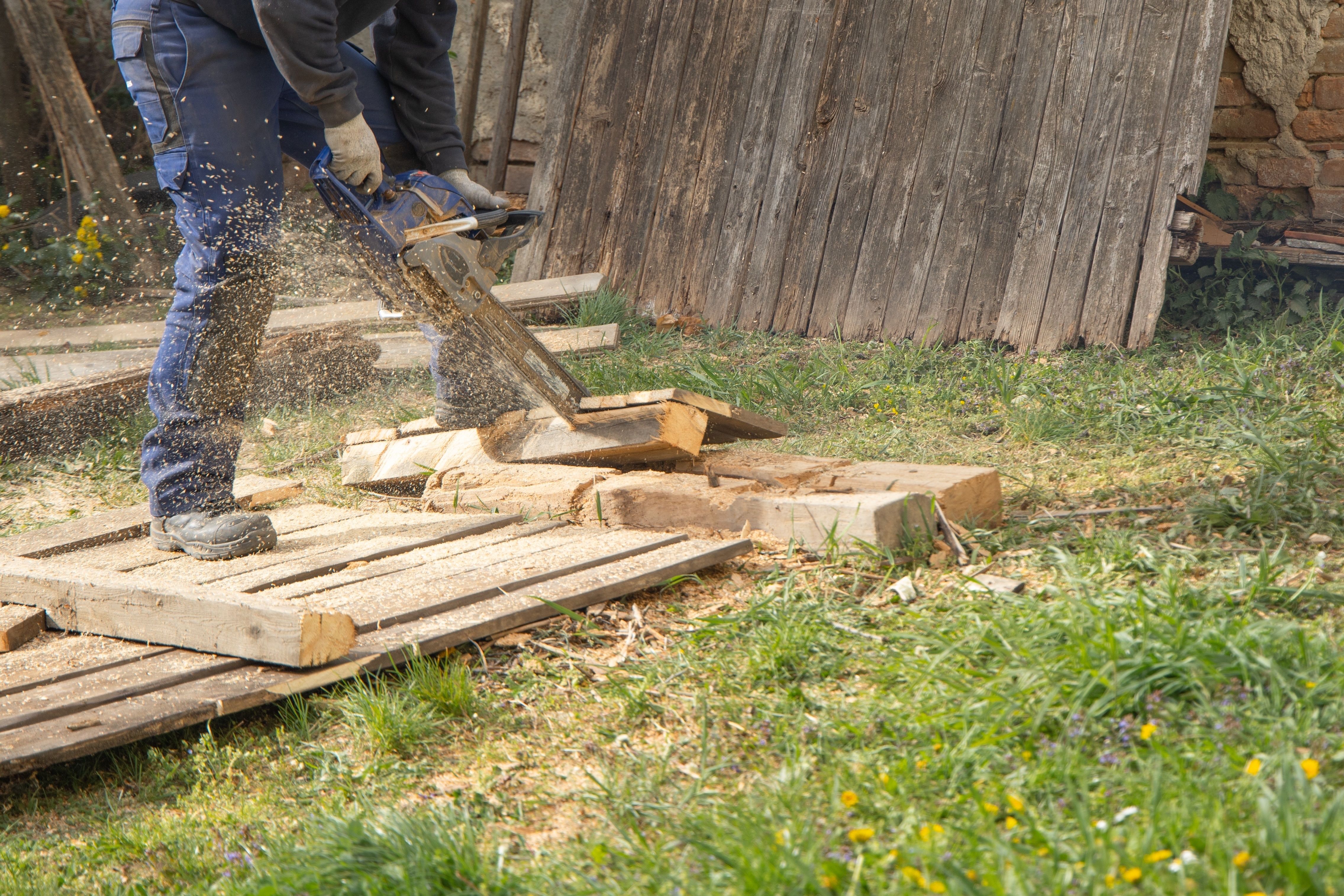
The fence installation timeline typically runs 4-6 weeks when things go smoothly. Learn what happens at each phase and how to plan around it.
Fence Boys crew member working on a residential wood fence installation in Columbus
The Installation Process

Why Fence Boys' Process Stands Out from Other Columbus Fence Contractors

Discover what separates professional fence contractors in Columbus. Learn the standards you should expect from pricing to installation and cleanup.
Red cedar privacy fence installed in a residential backyard
Fencing

Western Red Cedar vs. Pressure-Treated Pine: Which Wood is Right for Your Fence?

Comparing red cedar fence and pressure-treated pine? Learn the differences in lifespan, maintenance, and long-term value. Get a free quote from Fence Boys.

Experience The Fence Boys

Request a Quote
Sign up for updates
Thank you! Your submission has been received!
Oops! Something went wrong while submitting the form.
Navigation
HomeAboutServicesLocationsFAQBlogContact
Service Areas
Bexley
Canal Winchester
Dublin
Gahanna
Grove City
Hilliard
+ More
Services
Decorative Metal FencingVinyl FencingWood Fencing
contact
1509 Blatt Blvd Unit 6106, Gahanna, OH 43230support@fenceboys.com(614) 412-4281
© 2026 Fence Boys. All Rights Reserved.
Request a QuoteCall Us