HomeServicesLocationsBlogFAQ
Request a Quote
Maintenance

Common Fence Damage: Identification, Prevention and Repair Solutions to Consider

A practical guide for Columbus homeowners on identifying common fence damage by material type, staying ahead of problems with a seasonal routine, and knowing when to repair versus replace.

Request A ConsultationCall Us at (614) 412-4281

Common Fence Problems: How to Spot, Prevent, and Address Damage Early

Every fence takes a beating over time. Weather, everyday wear, and the simple passage of time all leave their mark. That's not a problem. It's just the nature of owning one. The difference between a minor fix and a major repair usually comes down to how early you catch things.

Most homeowners don't start thinking about fence repair until something is visibly wrong. By that point, what could have been a quick fix has often turned into something more involved. A little familiarity with what damage looks like across different materials and different seasons makes it much easier to stay ahead of it.

This guide covers the warning signs specific to wood, vinyl, and metal fences, a simple seasonal maintenance routine, and how to decide when repair makes sense and when replacement is the smarter call.

‍

Common Fence Problems at a Glance

Most fence damage follows predictable patterns, and catching it early is almost always cheaper than reacting late. In Central Ohio, freeze-thaw cycles, clay soil, and humid summers accelerate wear on every material. A seasonal walkthrough and a basic understanding of what to look for by material type are the two things that make the biggest difference over the life of a fence.

‍

How Weather Damages Your Fence

Central Ohio puts fences through a real workout. A few threats show up more than others here.

Freeze-thaw cycles are the most significant. The ground freezes and thaws repeatedly each winter, putting steady stress on fence posts and slowly pushing them out of position over the years. It's one of the reasons post depth matters so much in this part of Ohio.

Moisture compounds the problem. High humidity, heavy spring rains, and clay soil that holds water create conditions where wood fences rot and metal fences rust faster than most homeowners expect. UV exposure and temperature swings add to it, affecting vinyl fence connections and metal hardware through repeated expansion and contraction.

For a deeper look at how Ohio's climate affects each material, our post on building for Ohio's climate covers that in full.

‍

How to Spot Common Fence Damage Early

Wood Fence Warning Signs

Wood fences tend to show their problems at ground level first. A few things to check during any inspection:

  • Soft or spongy texture at post bases: Push gently where posts meet the soil. More than slight flex means moisture has gotten into the structure.
  • Permanent discoloration: Brown, gray, or black staining that won't rinse off with a garden hose is a sign that rot has taken hold.
  • Musty odor around posts: Healthy wood doesn't have an earthy smell. If you notice one, it's a signal to look closer.
  • Termite mud tubes: Pencil-width channels running up posts mean termites are active inside the structure. This one warrants a professional look.

Vinyl Fence Warning Signs

Vinyl fencing is low maintenance, but it follows predictable failure patterns over time. These are the ones to watch for:

  • Hairline cracks at panel connections: Small cracks at joints tend to expand during freeze-thaw cycles. Catching them early keeps them manageable.
  • Cold weather brittleness: Below freezing, impacts that would be harmless in summer can crack vinyl fence panels. Handle with extra care during winter months.
  • UV damage: Yellowing, chalky residue, or noticeable color fading are signs that UV exposure is working on your vinyl fence over time.

Metal Fence Rust Stages

Metal fencing rust follows a fairly predictable progression. The earlier you catch it, the more options you have.

  • Surface rust: Orange dust that wipes off easily. Completely treatable with the right products.
  • Scale rust: Rust that flakes off in pieces, indicating deeper corrosion. Still manageable with more thorough treatment.
  • Penetrating rust: Corrosion that starts to affect structural integrity. A professional opinion is a good idea at this stage.
  • Severe rust: Significant metal loss throughout the affected area. Repair attempts at this point rarely make sense.

Spots That Are Easy to Miss

A few areas tend to get skipped during casual walkthroughs but belong in any thorough inspection:

  • Post bases at ground level: This is where moisture, soil contact, and freeze-thaw stress concentrate. It's the first place wood fence rot typically shows up.
  • Areas behind vegetation: Shrubs and bushes hold moisture against fence materials and slow drying. Pull them back occasionally to check what's underneath.
  • Sagging gates: A gate that hangs lower than it used to usually signals post movement rather than a hardware issue. Adjusting the latch without addressing the underlying cause is a short-term fix at best.

‍

Your Seasonal Fence Maintenance Routine

A simple seasonal walkthrough catches most fence problems while they're still easy to address. Consistency matters more than perfection here.

Spring is your assessment window. Check fence posts for lean or wobble after the ground thaws, look for frost heave, examine hardware for rust or looseness, and clean the surface to get a clear look at what winter left behind.

Summer is mostly about staying ahead of a few quiet problems. Trim vegetation growing against the fence, check drainage around posts after heavy rains, and test gate operation. Heat causes hardware to expand, and summer is when that stress peaks.

Fall is your best window for repairs. Concrete still cures properly, materials aren't brittle yet, and you have time to address anything before winter arrives. Clear debris from post bases, apply any pre-winter sealing to wood fences, and secure loose elements before the cold sets in.

Winter is mostly about monitoring. Keep an eye on snow load on horizontal rails, check gate hardware for ice damage, and document any storm damage promptly for insurance purposes.

For material-specific maintenance guides, see our full breakdowns on wood fence care, vinyl fence care, and decorative metal maintenance.

‍

When to Repair and When to Replace

A fence with isolated damage in otherwise sound sections is usually a good candidate for repair. When damage shows up across multiple sections at once, replacement tends to make more long-term sense. Staying current with fence maintenance makes that call easier to see coming before it becomes urgent. For a deeper look at how to work through that decision, our guide on knowing when it's time to replace covers the specific indicators to watch for.

‍

Common Fence Problems FAQs

How often should I inspect my fence?

A seasonal walkthrough four times a year catches problems while they're still manageable. Spring and fall are the most important. Spring shows you what winter left behind, and fall gives you a window to make repairs before cold weather sets in.

How do I know if my fence post needs to be replaced?

Push gently on the post at ground level. If it moves more than slightly, the base has likely been compromised by moisture or frost heave. A post that leans visibly or wobbles under light pressure needs attention before it affects the sections around it.

What's the most common cause of wood fence rot?

Ground contact and standing water. Wood fences are most vulnerable at the base of posts, where moisture, soil, and freeze-thaw cycles all converge. Keeping soil cleared away from post bases and addressing drainage nearby makes a real difference over time.

Can vinyl fences crack in cold weather?

They can. Vinyl fence panels become more brittle below freezing, which means impacts that would be harmless in warmer months can cause cracking in winter. Hairline cracks at panel connections are the most common early sign.

When does surface rust on a metal fence become a real problem?

Surface rust that wipes off easily is still very treatable. Once rust starts flaking off in pieces, the corrosion has gone deeper and needs more thorough attention. At that stage, addressing it promptly keeps it from progressing further.

How do I know when to repair versus replace my fence?

Isolated damage on an otherwise sound fence generally points toward repair. Widespread damage across multiple sections usually points toward replacement. A local contractor can help you make that call with confidence.

‍

What Fence Boys Recommends for Columbus Homeowners

The single biggest thing we see homeowners overlook is post base condition. It's the least visible part of a fence and the most vulnerable. In Central Ohio, clay soil and freeze-thaw cycles put more stress on post bases than most people realize. Making post integrity part of your seasonal walkthrough, especially in spring after the ground thaws, catches the issues that tend to become expensive if they sit.

For material-specific care, our approach is straightforward. Wood fences need their first treatment timed correctly and a consistent seasonal routine after that. Vinyl fences need less attention overall, but panel connections and cold-weather brittleness deserve a close look each fall before temperatures drop. Metal fences need an annual rust check. Surface rust is easy to treat, but it moves fast if it's ignored through a wet Ohio winter.

If you're not sure what condition your fence is in or want a professional set of eyes on it, we're happy to take a look and give you a straight answer on what it needs.

‍

Taking Care of Your Fence Starts With Knowing What to Look For

A well-maintained fence doesn't ask for much. A seasonal walkthrough, a quick check after a hard winter, and a willingness to address small issues before they compound. That's really all it takes.

The homeowners who get the longest life out of their fences are usually the ones who stay a step ahead rather than reacting when something goes wrong. We built this guide to help you do exactly that. When you're ready to talk through what your fence needs, we're happy to take a look.

‍

Ready to Talk Through What Your Fence Needs?

Fence Boys offers free consultations for Columbus homeowners and a straight answer on what it needs.

Get a Free Quote

Introduction

  • The hidden connection between strategic fencing and home energy costs
  • How proper fence placement can reduce heating and cooling expenses
  • Ohio's wind patterns and their impact on home energy efficiency
  • The role of fencing in creating beneficial microclimates around your home
  • Environmental benefits of energy-efficient fence planning
  • Integration with other energy-saving home improvements
  • The Fence Boys' approach to energy-conscious fence design and placement

Understanding Ohio's Wind Patterns and Energy Impact

Seasonal Wind Patterns Across Ohio

  • Prevailing winter wind directions (typically northwest) and heating impact
  • Summer wind patterns and their effect on cooling costs
  • Regional variations in wind patterns across Ohio (lake effect, topography)
  • How wind speed affects home energy loss through infiltration
  • Microclimate variations in urban vs. rural Ohio settings

‍

Wind Chill and Heat Index Effects

  • How wind increases the effective temperature difference your home experiences
  • Infiltration air leakage and its impact on HVAC system efficiency
  • Wind-driven pressure differences and their effect on home comfort
  • Seasonal energy cost variations related to wind exposure
  • The compound effect of wind and temperature on energy consumption

Home Exposure Assessment

  • Identifying vulnerable sides of your home to prevailing winds
  • Measuring current wind exposure and energy impact
  • Understanding how landscaping and neighboring structures affect wind patterns
  • Assessing potential energy savings from strategic wind protection
  • Tools and techniques for wind pattern analysis on your property

Strategic Windbreak Fence Design

Optimal Fence Placement for Energy Savings

  • Distance calculations for maximum windbreak effectiveness (6-10 times fence height)
  • Angle considerations for deflecting rather than blocking wind
  • Height requirements for effective wind protection
  • Integration with existing landscaping and structures
  • Multi-level windbreak systems combining fences with vegetation

Fence Design for Wind Management

  • Porosity considerations: solid vs. semi-permeable fence designs
  • How different fence styles affect wind flow patterns
  • Creating wind shadows for maximum home protection
  • Avoiding wind tunnel effects and turbulence creation
  • Seasonal adjustability options for changing wind patterns

Material Selection for Windbreak Fencing

  • Durability requirements for windbreak fences exposed to constant wind stress
  • Weight and structural considerations for wind load resistance
  • Material thermal properties and their impact on microclimate creation
  • Maintenance requirements for windbreak fencing in Ohio's varied weather
  • Cost-effective material choices for large windbreak installations

Regional Ohio Considerations

  • Lake Erie shoreline wind protection strategies
  • Hill country and valley wind pattern management
  • Urban heat island effects and fence-based mitigation strategies
  • Agricultural area wind protection integration with rural fencing needs
  • Suburban wind pattern modification for energy efficiency

Summer Cooling Strategies with Fencing

Shade Creation and Heat Reduction

  • Strategic fence placement for morning and afternoon sun protection
  • Integration with pergolas and shade structures
  • Vine and climbing plant integration for enhanced cooling
  • Reflective fence materials and colors for heat reduction
  • Creating cool microclimates around patios and outdoor living areas

Air Flow Management for Natural Cooling

  • Directing beneficial summer breezes toward your home
  • Creating venturi effects for enhanced air movement
  • Positioning fences to channel cooling airflow through outdoor spaces
  • Preventing hot air accumulation in landscaped areas
  • Integration with home ventilation strategies and window placement

Heat Island Reduction Techniques

  • Using fencing to break up large paved areas that create heat islands
  • Strategic placement to shade driveways, walkways, and patios
  • Integration with permeable surfaces and landscaping for cooling
  • Color and material selection for minimal heat absorption and retention
  • Creating multiple shade zones throughout your property

Winter Wind Protection and Heating Efficiency

Reducing Winter Heat Loss

  • Blocking cold northwest winds that increase home heat loss
  • Creating wind shadows that reduce infiltration air leakage
  • Strategic fence placement to protect HVAC equipment from wind exposure
  • Reducing wind chill effects on home exterior surfaces
  • Integration with foundation landscaping for comprehensive wind protection

Snow Management and Drift Control

  • Using fences to control snow drift patterns away from home foundations
  • Creating windbreaks that reduce snow accumulation around HVAC equipment
  • Strategic placement to maintain clear pathways and driveways
  • Preventing snow loading on home roofs through wind pattern modification
  • Integration with snow removal and winter maintenance strategies

Microclimate Creation for Winter Comfort

  • Creating protected outdoor spaces for winter use
  • Sun trap design for maximizing winter solar gain
  • Wind protection for outdoor equipment and utilities
  • Extending the usable season for outdoor spaces through wind protection
  • Integration with seasonal outdoor activities and winter landscape design

Integration with Renewable Energy Systems

Solar Panel Protection and Optimization

  • Wind protection for roof-mounted solar panel systems
  • Reducing debris accumulation on solar panels through strategic windbreaks
  • Creating microclimates that optimize solar panel efficiency
  • Fence-mounted solar options for energy generation and wind protection
  • Integration planning for future renewable energy system installation

Geothermal System Integration

  • Protecting geothermal equipment from wind exposure and debris
  • Strategic fencing around geothermal installation areas
  • Integration with geothermal landscaping requirements
  • Access considerations for geothermal system maintenance
  • Long-term planning for geothermal system expansion

Energy Efficiency Measurement and ROI

Calculating Energy Savings from Strategic Fencing

  • Methods for measuring before and after energy consumption
  • Typical energy savings percentages from effective windbreak installation
  • Seasonal variations in energy savings from wind protection
  • Integration with whole-home energy efficiency assessments
  • Documentation for utility company rebate and incentive programs

Cost-Benefit Analysis

  • Initial investment in energy-efficient fence design vs. ongoing energy savings
  • Payback period calculations for windbreak fence installations
  • Property value impact of energy-efficient landscaping and fencing
  • Maintenance costs vs. energy savings over fence lifetime
  • Financing options for energy-efficiency focused fence projects

Utility Rebates and Incentives

  • Ohio utility company programs for energy efficiency improvements
  • Federal and state tax incentives for energy-efficient home improvements
  • Documentation requirements for energy efficiency rebate programs
  • Integration with other home energy efficiency projects for maximum incentives

Professional Assessment and Implementation

  • Working with energy auditors to assess wind impact on home energy usage
  • Coordination with HVAC professionals for comprehensive efficiency planning
  • Landscape architect consultation for integrated windbreak design
  • Professional wind pattern analysis and fence placement optimization
  • Quality installation requirements for maximum energy efficiency benefits

Conclusion: Fencing Your Way to Lower Energy Bills

  • The strategic value of energy-conscious fence planning
  • Long-term financial and environmental benefits of windbreak fencing
  • The Fence Boys' expertise in energy-efficient fence design and placement
  • Next steps for energy-efficiency focused fence consultation

Related Resources

  • For information on proper foundations for windbreak fencing, see our guide: "Why Post Depth Matters: The Foundation of a Long-Lasting Fence"

‍

Related Posts

View All Posts
Aging wood privacy fence with weathered gray boards in an overgrown backyard
Maintenance

Common Fence Damage: Identification, Prevention and Repair Solutions to Consider

A practical guide for Columbus homeowners on identifying common fence damage by material type, staying ahead of problems with a seasonal routine, and knowing when to repair versus replace.
Cedar privacy fence with trees in the summer
Maintenance

How Weather Affects Your Fence: Building for Ohio's Climate

A guide to building and maintaining fences for Ohio's climate, covering material performance, installation, and seasonal maintenance.
 Clean white vinyl fence with soft clouds in a bright blue sky
Maintenance

Vinyl Fence Care: Keeping It Looking New for a Decade+

A practical guide to vinyl fence care covering cleaning methods, seasonal maintenance, and how to prevent the most common sources of damage.
Black wrought-iron fence with decorative spear finials and a blurred residential background.
Maintenance

Decorative Metal Maintenance: Protecting Your Investment

A material-specific guide to decorative metal fence maintenance covering aluminum, steel, and wrought iron care routines and seasonal tips.
A white vinyl privacy fence runs across a grassy yard and follows the natural slope of the terrain.
Planning Your Project

How to Determine the Right Fence Size for Your Property

A practical guide for Columbus homeowners on how slopes, mature trees, pools, easements, and irregular lot shapes affect fence planning before installation begins.
Two girls holding hands and running across a grassy yard.
Planning Your Project

Child-Safe Fence Options for Family Properties

A practical guide for Columbus homeowners on choosing a child-safe fence, covering materials, essential safety features, and how your child's age should shape the decision.
Alt text: Person filling out a price quote form on a blue clipboard.
Planning Your Project

Why Fence Quotes Vary So Much: Hidden Costs and Corner-Cutting to Watch For

A practical guide for Columbus homeowners on understanding why fence quotes vary, what costs are commonly left out of estimates, and how to compare contractors accurately.
Approved document with a red stamp, ink pad, and pen on a desk.
Planning Your Project

Navigating HOA Approvals for Your New Fence

A practical guide for Columbus homeowners on navigating HOA fence approvals, covering documentation requirements, the review process, and how to handle denials or conditional approvals.
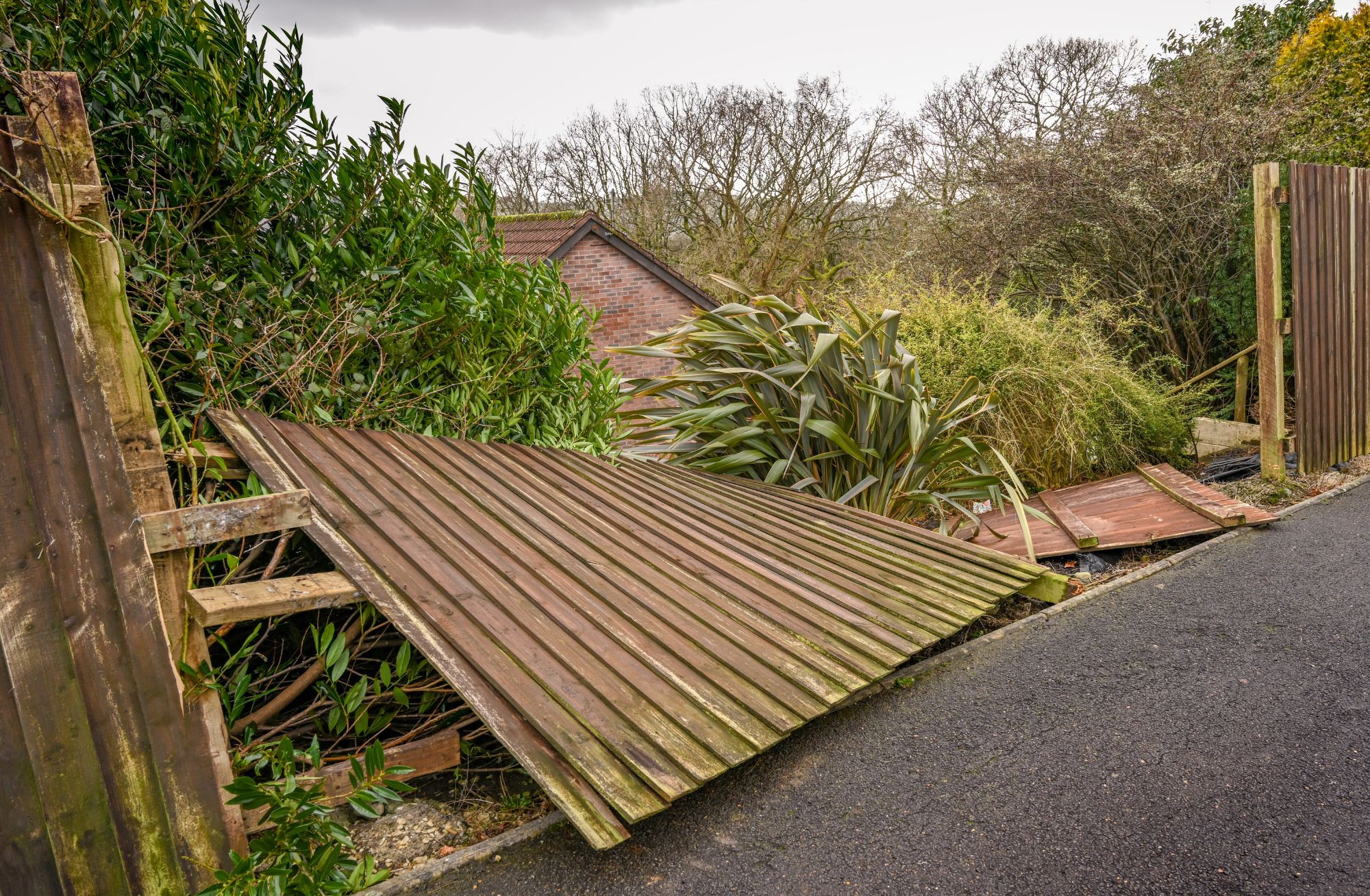
Fallen wooden fence panels lying beside a road, with dense shrubs and trees in the background
Maintenance

After the Storm: Emergency Fence Assessment and Repair in Ohio

A practical guide for Columbus homeowners on assessing fence damage after a storm, documenting for insurance, deciding between repair and replacement, and choosing a trustworthy contractor.
White vinyl fence along a grassy yard with trees and houses in the background.
Planning Your Project

Property Lines and Fence Installation: What Every Homeowner Must Know First

A practical guide for Columbus homeowners on confirming property lines before fence installation, covering surveys, neighbor communication, and placement best practices.
Small patio enclosed by horizontal wooden slat fencing with a table, chairs, and artificial grass.
Choosing Your Materials

Backyard Fence Inspiration: Privacy, Pet Safety & Decorative Styles

A practical guide to backyard fencing for Columbus homeowners, covering privacy options, pet-safe designs, and decorative styles that enhance curb appeal.
Dog sitting in a grassy suburban backyard enclosed by a wood privacy fence.
Planning Your Project

The Right Fence Choice for Dogs: Beyond Height Requirements

A practical guide for Columbus homeowners on choosing the right fence for their dog, covering escape styles, material trade-offs, gate hardware, and dig barriers.
White vinyl fence enclosing a grassy yard.
Choosing Your Materials

Wood, Vinyl, & Metal: Which One is Best for Your Yard?

A straightforward comparison of wood, vinyl, and decorative metal fencing for Columbus homeowners, covering long-term maintenance, lifespan, and how to match a material to your property.
A modern brown horizontal-slat yard fence runs along a brick base, bordered by tall green hedges that provide privacy and landscaping.
Choosing Your Materials

Top Fence Designs for Columbus Homes: From Modern to Traditional

A guide to modern and classic fence designs for Columbus homeowners, covering style options by architecture and how to choose the right fit.
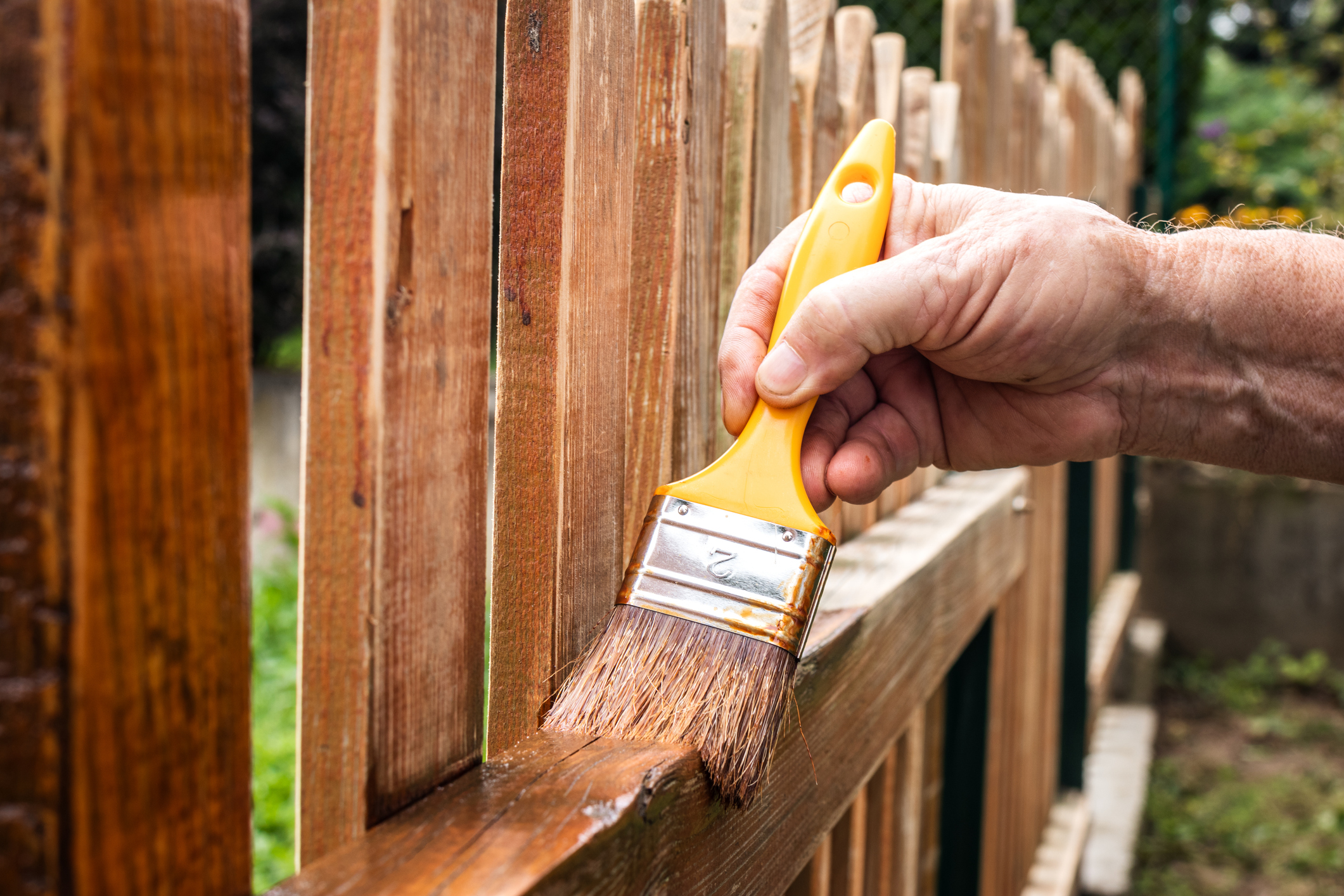
Hand applying wood stain to a cedar fence with paintbrush against blue sky.
Maintenance

Complete Wood Fence Maintenance Guide: From Installation to Maximum Lifespan

A year-by-year guide to wood fence maintenance covering cedar and pressure-treated pine care, seasonal routines, and when to call a pro.
A worker wearing protective gloves uses a tape measure to measure a concrete base on gravel, preparing the layout for building a yard fence.
Planning Your Project

How to Measure Your Yard for a Fence (And Avoid Costly Mistakes)

A practical step-by-step guide for Columbus homeowners on how to measure their yard for a fence, calculate linear feet, and avoid common measuring mistakes.
DIY fence-building project in progress, featuring a partially installed wooden fence, stacked timber pieces, and construction materials arranged on a gravel surface.
Planning Your Project

DIY vs. Professional Fence Installation: What Homeowners Should Know

An honest breakdown of DIY vs. professional fence installation, covering real costs, legal considerations, common mistakes, and a decision framework for Columbus homeowners.
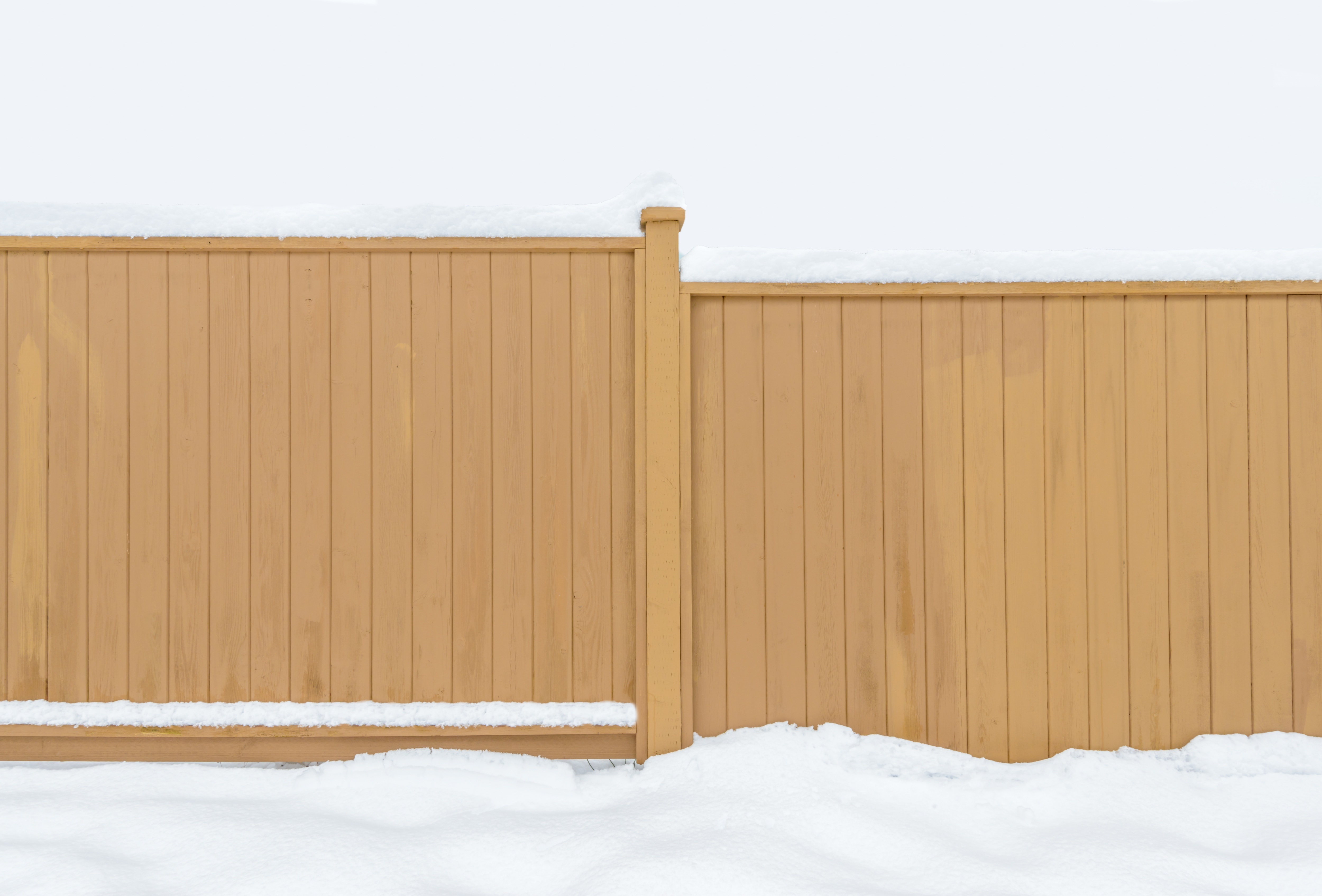
Light brown wooden privacy fence covered with snow, standing against a snowy white background in winter.
The Installation Process

Seasonal Fencing: The Pros and Cons of Installing in Each Season

A season-by-season breakdown of fence installation timing for Columbus homeowners, covering scheduling realities, ground conditions, and honest trade-offs for every time of year.
Close-up of a clipboard holding a “Request for Quotation” form on a wooden desk, with a calculator beside it.
Planning Your Project

Your Fence Quote Prep Checklist: How to Avoid Costly Surprises

A practical checklist for Columbus homeowners preparing for a fence quote consultation, covering property lines, documents, site prep, and what to expect on the day.
Contractor and homeowner discuss preparations for a new fence installation beside a partially completed wooden fence.
Planning Your Project

10 Questions to Ask Before Hiring ANY Fence Contractor

Ten practical questions to ask any fence contractor before signing, covering post depth, concrete, materials, warranties, property lines, and follow-up support.
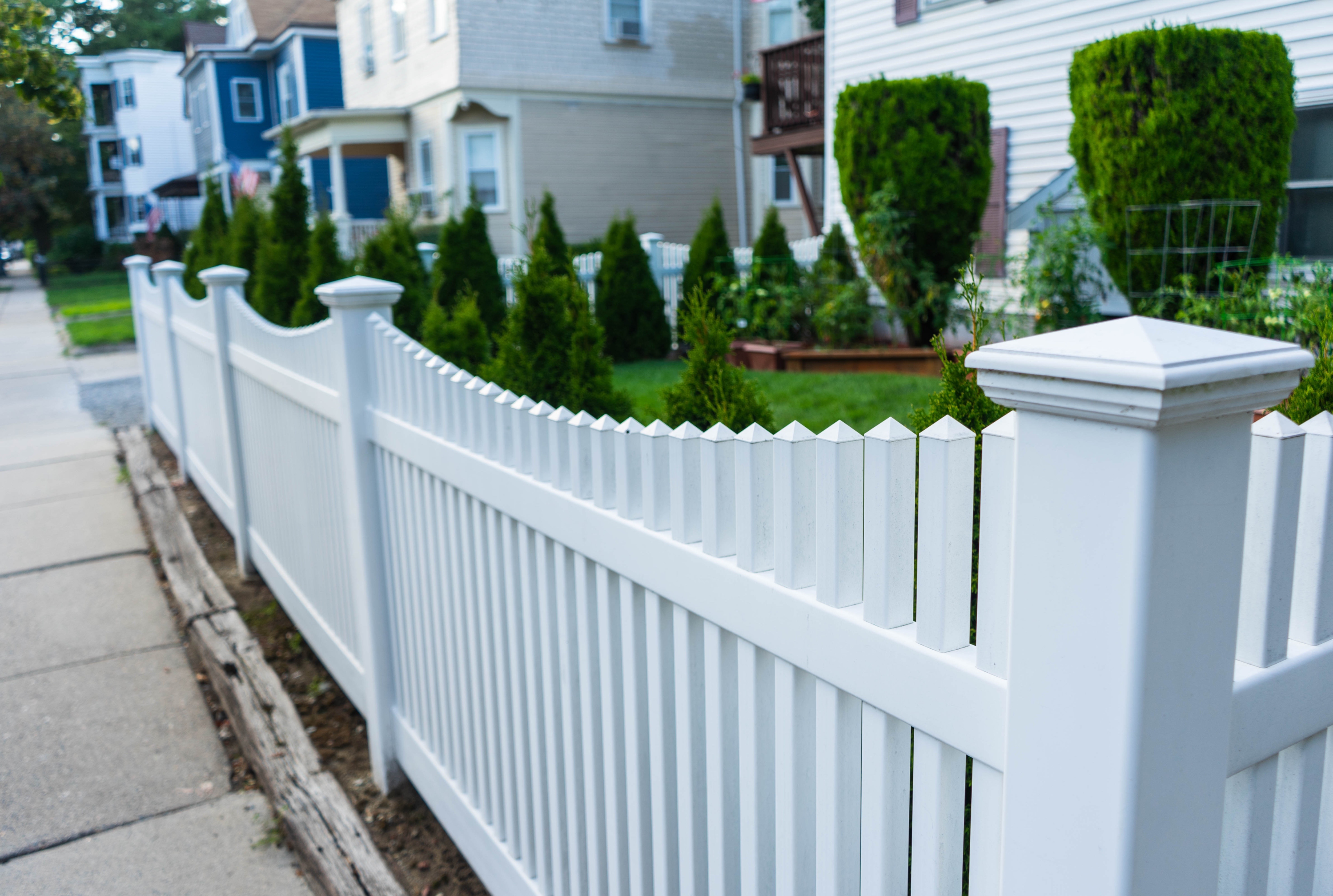
A long white fence stretched along a sidewalk in a suburban neighborhood.
The Installation Process

Fence Installation Near Me: What to Look For (and Avoid) in Columbus Contractors

A practical guide for Columbus homeowners on how to vet local fence contractors — what credentials to check, what a good estimate includes, and what red flags to avoid.
Worker using a chainsaw to cut and remove old wooden fencing outdoors, with sawdust flying around the work area.
The Installation Process

How We Handle Old Fence Removal: Our Clean Process Explained

How Fence Boys handles old fence removal in Columbus — post extraction, concrete footing removal, responsible disposal, and full site cleanup before your new fence goes in.
Worker measuring wooden fence boards with a tape measure during residential fence installation in a backyard
Fencing

Fence Terminology Decoded: A Visual Guide for Homeowners

A plain-language guide to fence terminology — from posts and rails to frost lines and pressure treatment grades. Everything you need to follow contractor conversations with confidence.
Workers installing a wooden fence outdoors, positioning support posts and securing the frame during the construction process.
The Installation Process

What to Expect on Fence Installation Day with Fence Boys

A practical guide to fence installation day in Columbus — what to prep beforehand and what Fence Boys does from morning walkthrough to final cleanup.
A wooden post is being set into a deep, freshly dug hole in red soil.
The Installation Process

Why Post Depth Matters: The Foundation of a Long-Lasting Fence

Why post depth is the single most important factor in fence longevity and what Fence Boys does differently to make sure Columbus installations hold up through Ohio's winters.
Close-up of a fence quotation form with pen, calculator, and reading glasses on a desk
Choosing Your Materials

What Actually Affects Your Fence Cost in Columbus (Beyond Just the Material)

Why do two quotes for the same fence vary by thousands? Slope, soil, gate count, and board spacing all shift the number more than material choice.
Calendar with pinned dates representing a fence installation project timeline
The Installation Process

The Fence Installation Timeline: What to Expect from Quote to Completion

The fence installation timeline typically runs 4-6 weeks when things go smoothly. Learn what happens at each phase and how to plan around it.
Fence Boys crew member working on a residential wood fence installation in Columbus
The Installation Process

Why Fence Boys' Process Stands Out from Other Columbus Fence Contractors

Discover what separates professional fence contractors in Columbus. Learn the standards you should expect from pricing to installation and cleanup.
Red cedar privacy fence installed in a residential backyard
Fencing

Western Red Cedar vs. Pressure-Treated Pine: Which Wood is Right for Your Fence?

Comparing red cedar fence and pressure-treated pine? Learn the differences in lifespan, maintenance, and long-term value. Get a free quote from Fence Boys.

Experience The Fence Boys

Request a Quote
Sign up for updates
Thank you! Your submission has been received!
Oops! Something went wrong while submitting the form.
Navigation
HomeAboutServicesLocationsFAQBlogContact
Service Areas
Bexley
Canal Winchester
Dublin
Gahanna
Grove City
Hilliard
+ More
Services
Decorative Metal FencingVinyl FencingWood Fencing
contact
1509 Blatt Blvd Unit 6106, Gahanna, OH 43230support@fenceboys.com(614) 412-4281
© 2026 Fence Boys. All Rights Reserved.
Request a QuoteCall Us