Maintenance
How Weather Affects Your Fence: Building for Ohio's Climate
A guide to building and maintaining fences for Ohio's climate, covering material performance, installation, and seasonal maintenance.
A guide to building and maintaining fences for Ohio's climate, covering material performance, installation, and seasonal maintenance.

Ohio has a way of testing fences that most general guides don't fully account for. Between the freeze-thaw cycling, clay soil, humid summers, and road salt near driveways, the conditions here put real demands on materials and installation methods alike.
The good news is that the right choices make a genuine difference. Understanding what Ohio's climate actually does to a fence, which materials hold up best here, and what maintenance looks like across the seasons gives you a much clearer picture of what to invest in and what to avoid. That's what this guide is for.
Ohio's combination of freeze-thaw cycling, clay soil, humid summers, and road salt creates conditions that wear on fences faster than most general guides account for. The materials that hold up best here, cedar, vinyl, and aluminum, all handle moisture and temperature swings differently. Post depth, drainage, and concrete mix matter as much as material choice. And a consistent seasonal maintenance routine is what keeps a fence performing across the full range of what Ohio throws at it each year.
Ohio's climate is harder on fences than most homeowners expect. The combination of factors here, freeze-thaw cycling, clay soil, seasonal humidity, and temperature swings from below zero to the mid-90s, creates wear patterns that materials in milder climates simply don't experience at the same rate.
A few specifics that matter here:
Ground conditions add another layer. Ohio's frost line varies by region. Cincinnati sits around 30 inches, Columbus around 32 inches, and Cleveland around 36 inches. Post depth isn't just a best practice here. It's what determines whether a fence stays put through a hard winter.
Regional differences within Ohio matter too. Northern Ohio deals with lake effect snow that can add significant weight and moisture load well beyond what central and southern parts of the state see. If you're in the Cleveland area or northeast Ohio, that's something to factor into both material choice and post depth.
These conditions combined are why fencing decisions that work well in other parts of the country sometimes underperform here. Material choice, installation depth, and seasonal maintenance all need to account for what Ohio specifically throws at a fence over the course of a year.
Ohio's climate rewards some materials more than others. The table below gives a quick overview, and the sections after it explain what actually drives the differences.
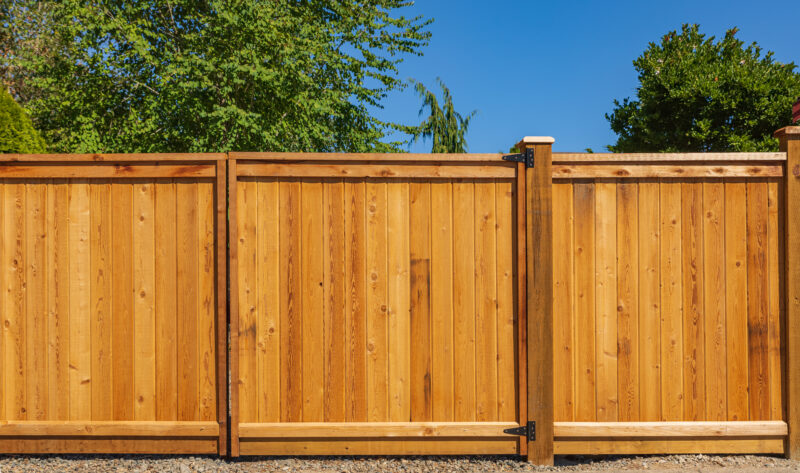
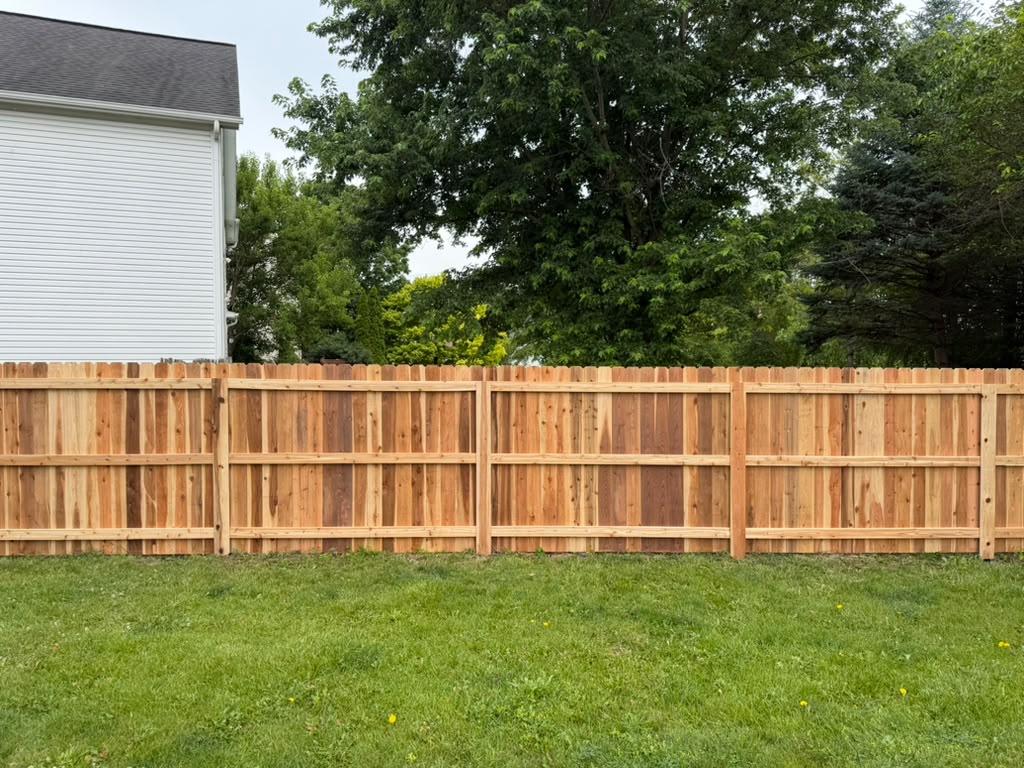
Cedar is one of the stronger performers in Ohio's climate. Its natural oils provide built-in resistance to moisture and insects, and it handles repeated freeze-thaw cycling without the dimensional movement that causes other woods to warp and split over time.
Pressure-treated pine works well for posts set in the ground, where its chemical treatment provides real protection against moisture and decay. Above grade, it needs more regular maintenance than cedar and is more prone to movement as it dries. A common approach is pressure-treated posts underground with cedar boards for the visible fence, which takes advantage of what each material does best.
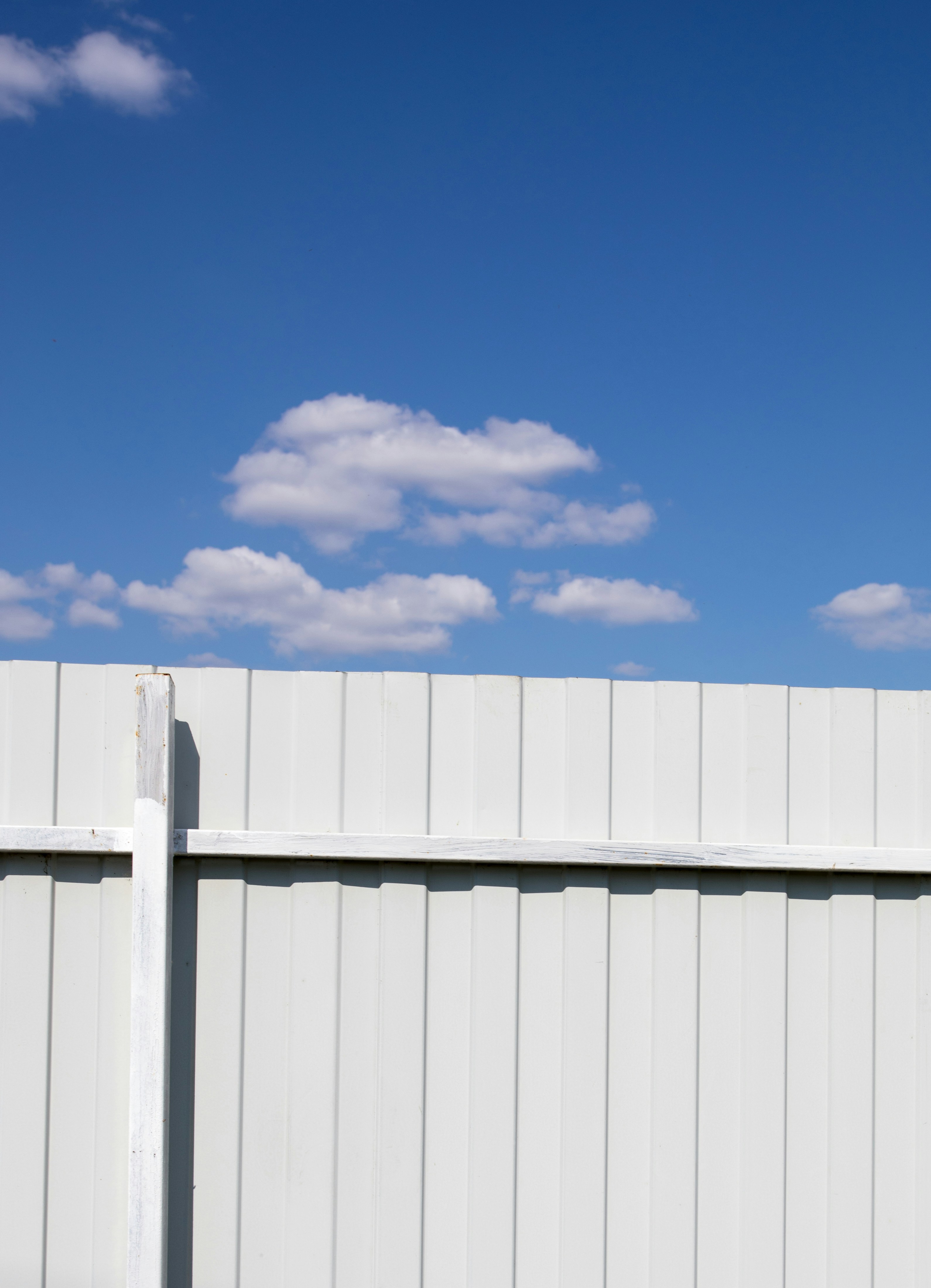
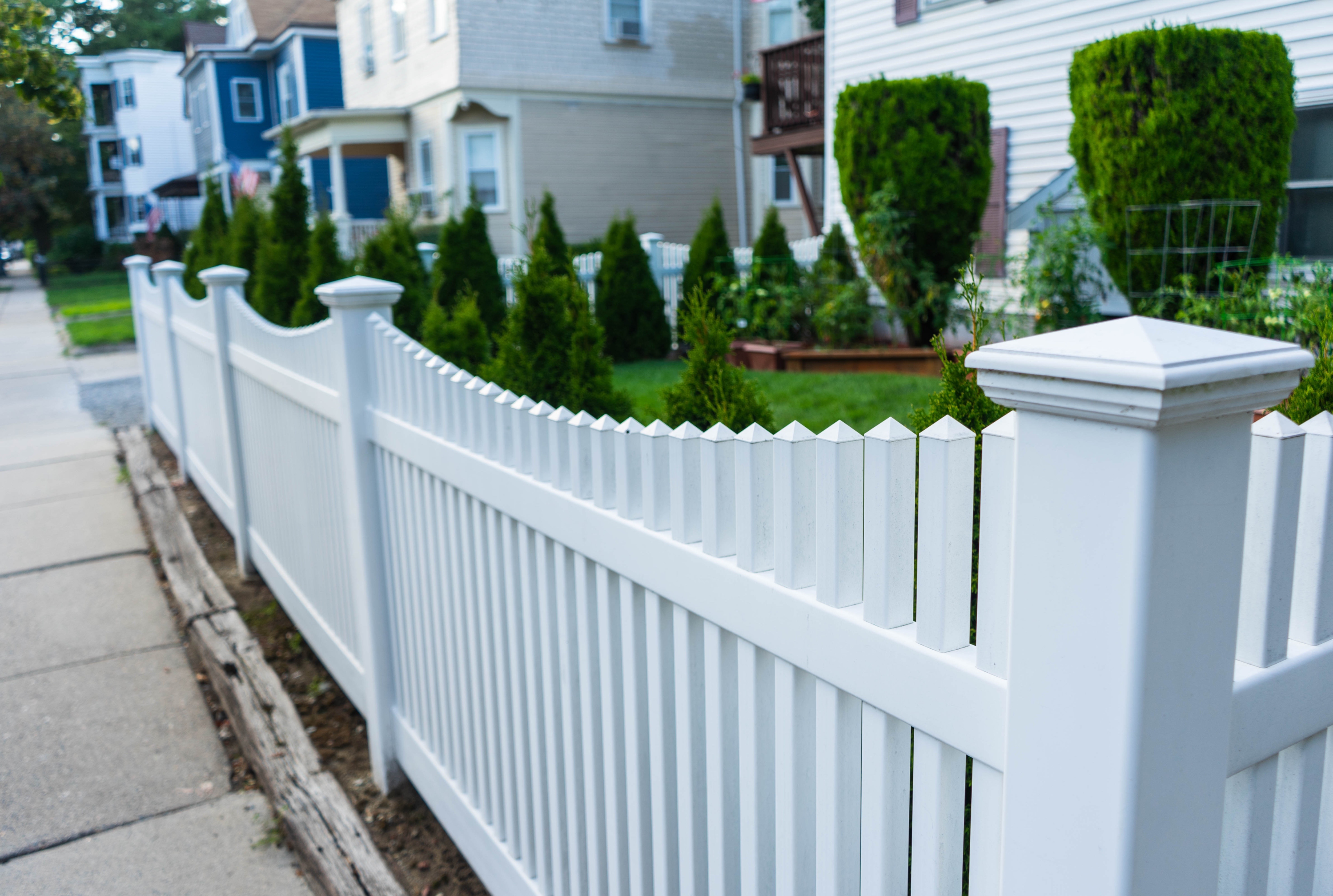
Vinyl requires very little ongoing maintenance and handles Ohio's humidity well since it doesn't absorb moisture. One thing to keep in mind: vinyl can become brittle in hard freezes, so it's more vulnerable to impact damage during Ohio winters than it is the rest of the year.
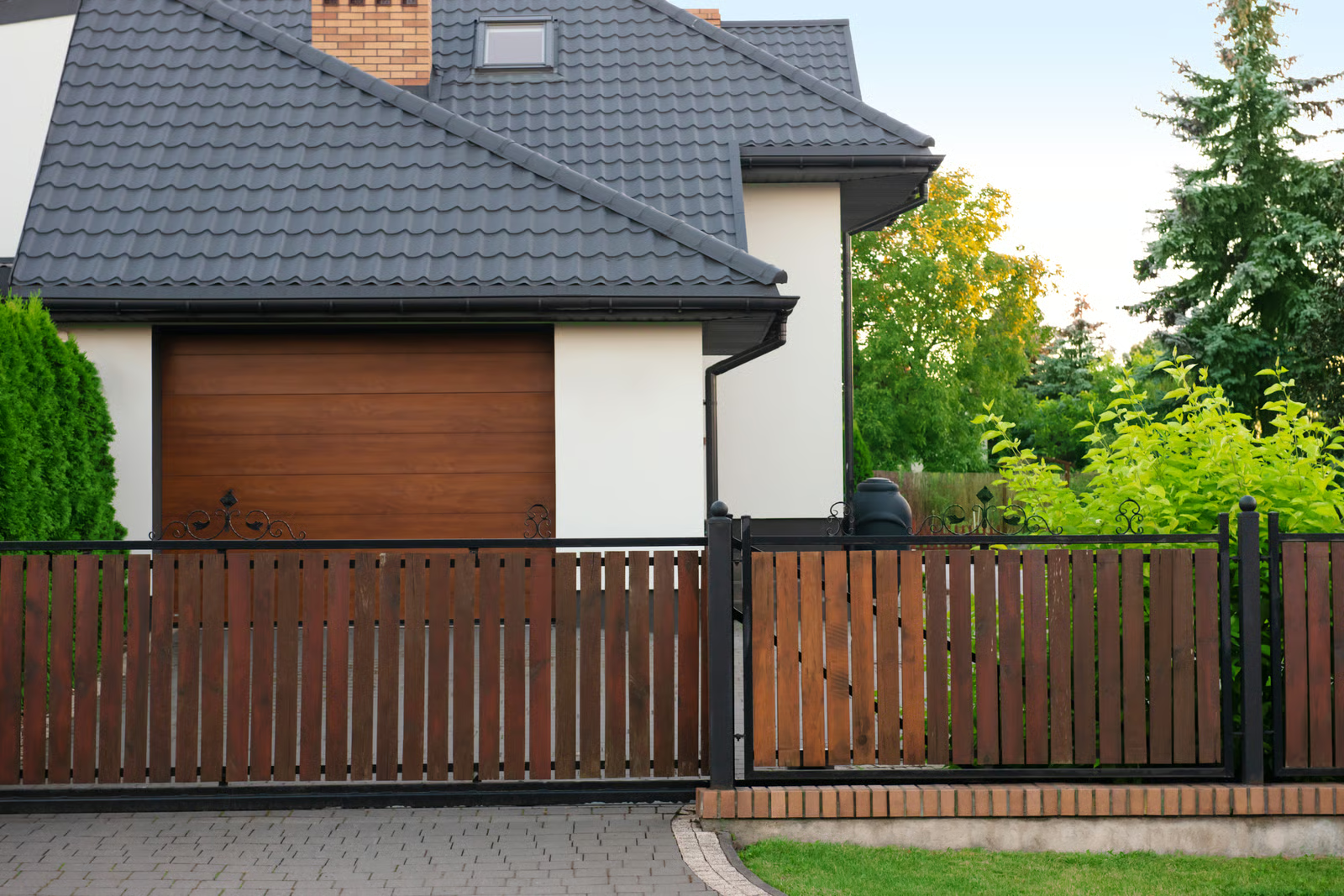
Aluminum is a reliable option for decorative fencing in Ohio's climate. It doesn't rust, handles the humidity well, and holds up through freeze-thaw cycling without the corrosion concerns that come with standard galvanized steel near driveways or areas where road salt is used.
Installation is where Ohio's climate conditions either get accounted for or don't. The differences tend to show up months later, after the first hard winter, which is why getting the foundation right matters so much here.
A few techniques make a real difference in Ohio specifically:
A seasonal maintenance routine does most of the work when it comes to protecting a fence from Ohio's climate. The specific tasks vary by material, but the seasonal rhythm is consistent across all of them.
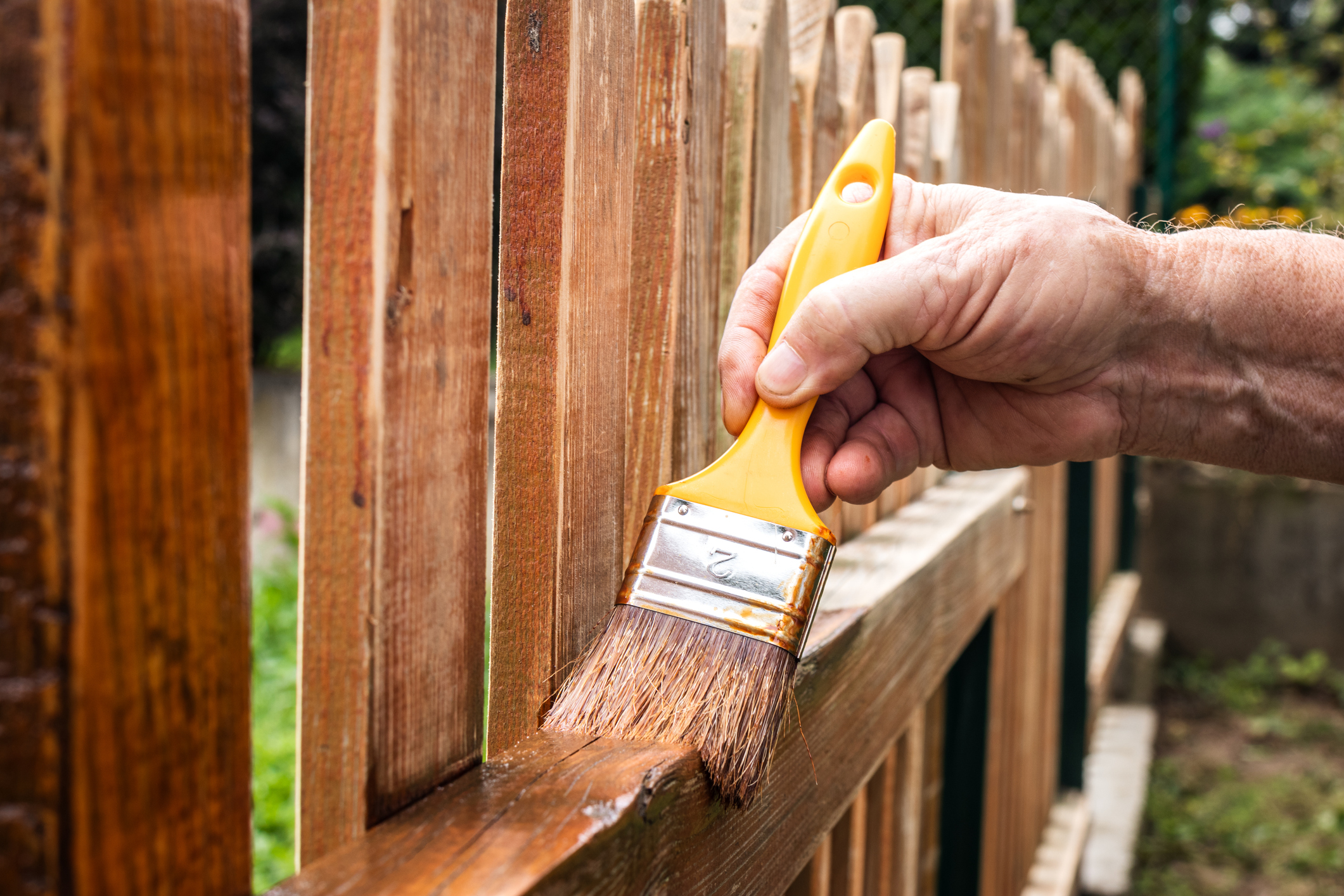
Spring is the right time to assess any winter damage. Check posts for movement by pushing firmly at the top. Any shift suggests frost heave that needs attention before it gets worse. Clear road salt residue from the base of the fence, and apply any stain or sealant once temperatures hold steady between 50 and 80 degrees Fahrenheit. Oil-based products tend to penetrate better in Ohio's humidity than water-based alternatives.
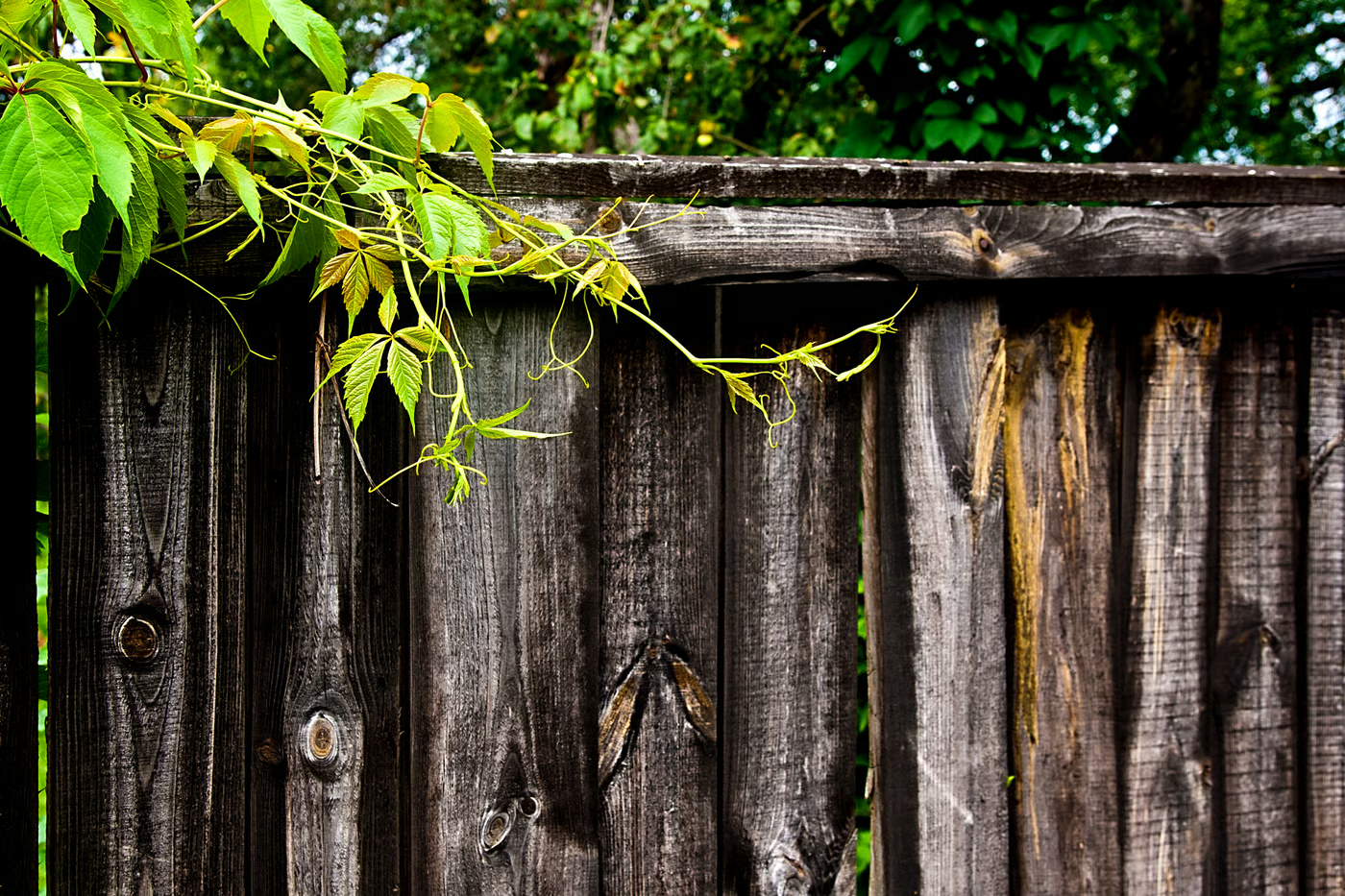
Summer maintenance is mostly about monitoring. Keep vegetation clear of the fence base for air circulation. Check south-facing sections for UV wear, which shows up faster here than on shaded sides. Metal fences benefit from a periodic check for rust during peak humidity months, and vinyl fences stay cleaner with occasional rinsing to prevent mildew buildup in shaded areas.
Fall is your last window for meaningful repairs and treatments before the ground freezes. Aim to complete any wood sealing with at least two weeks of cure time before hard frost. Tighten gate hardware, clear drainage paths around post bases, and trim any overhanging branches that could create problems under ice or snow load.
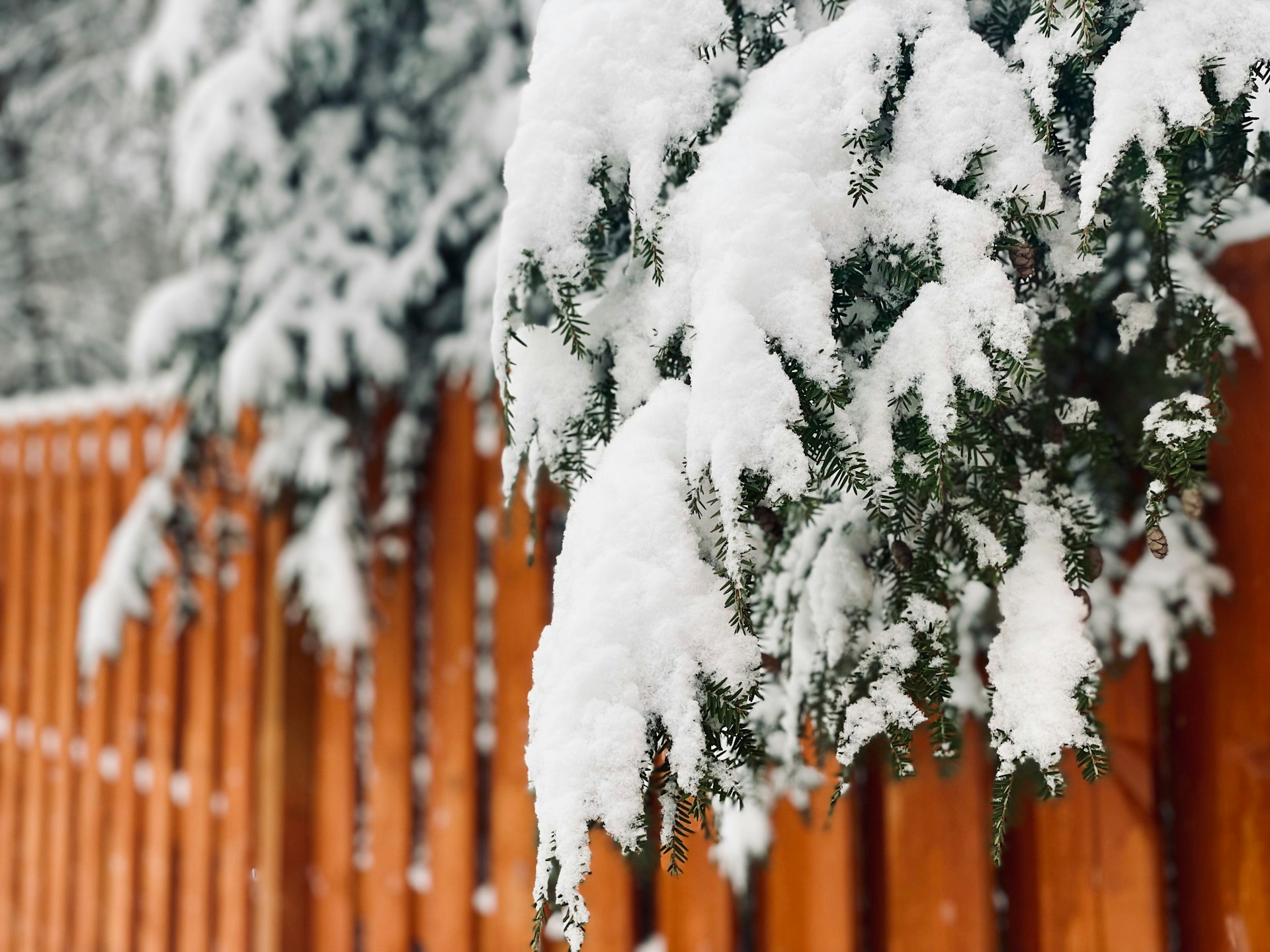
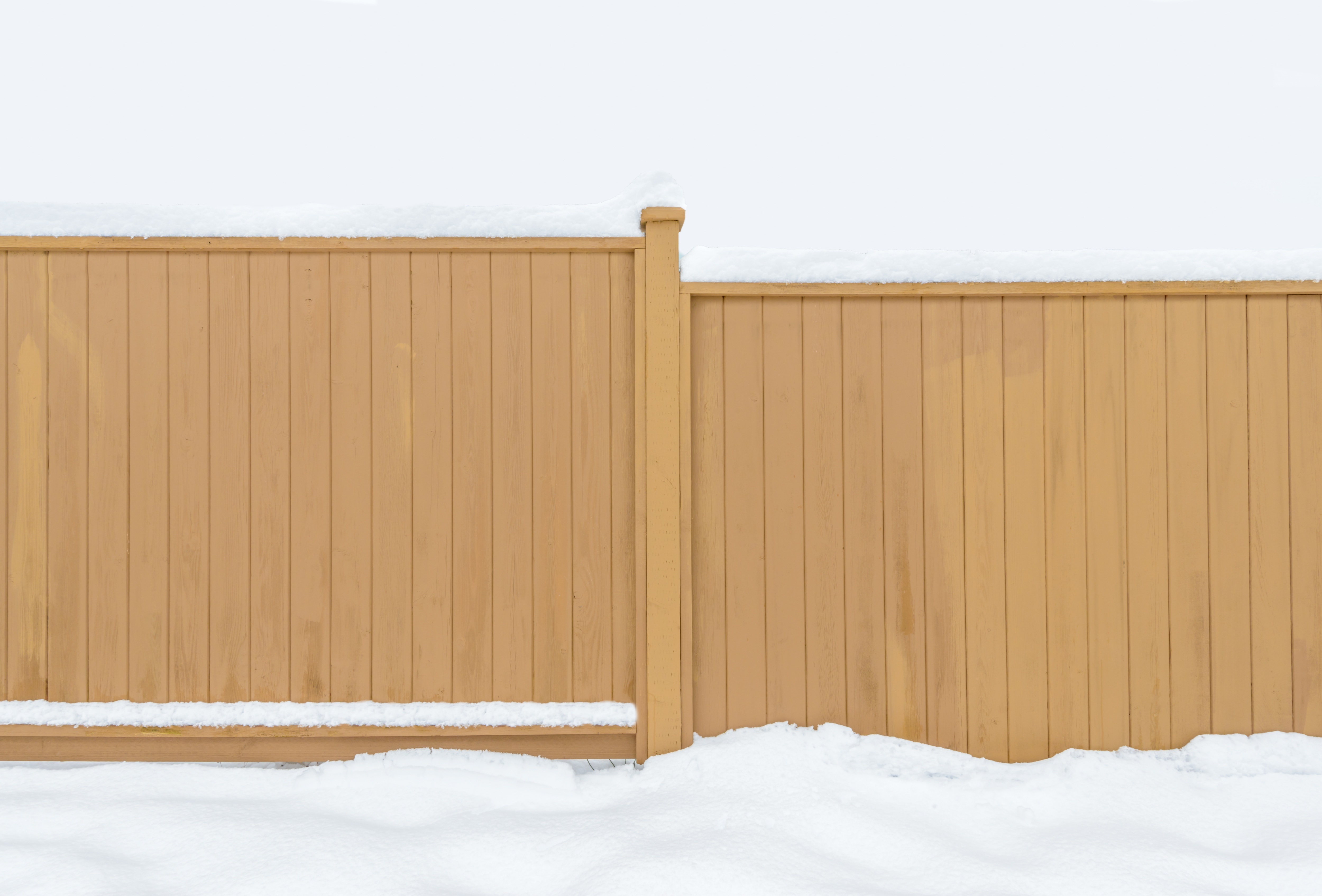
Winter care is straightforward. Use a soft-bristled broom rather than metal tools to clear snow from panels. Keep snow piles away from the fence base. Calcium chloride is a better choice than rock salt for ice management near fences, and ice melt products shouldn't be applied directly to fence surfaces.
For a deeper look at wood-specific maintenance, our complete wood fence maintenance guide covers the full year-round routine in detail.
Cedar and vinyl are the two strongest performers in Ohio's climate for different reasons. Cedar handles freeze-thaw cycling well and holds its structure through seasonal temperature swings. Vinyl requires almost no maintenance and doesn't absorb moisture, though it can become more brittle in hard freezes. Aluminum is a reliable choice for decorative fencing since it doesn't rust and holds up well through Ohio's humidity. The right choice depends on your priorities for appearance, maintenance, and how you plan to use the fence.
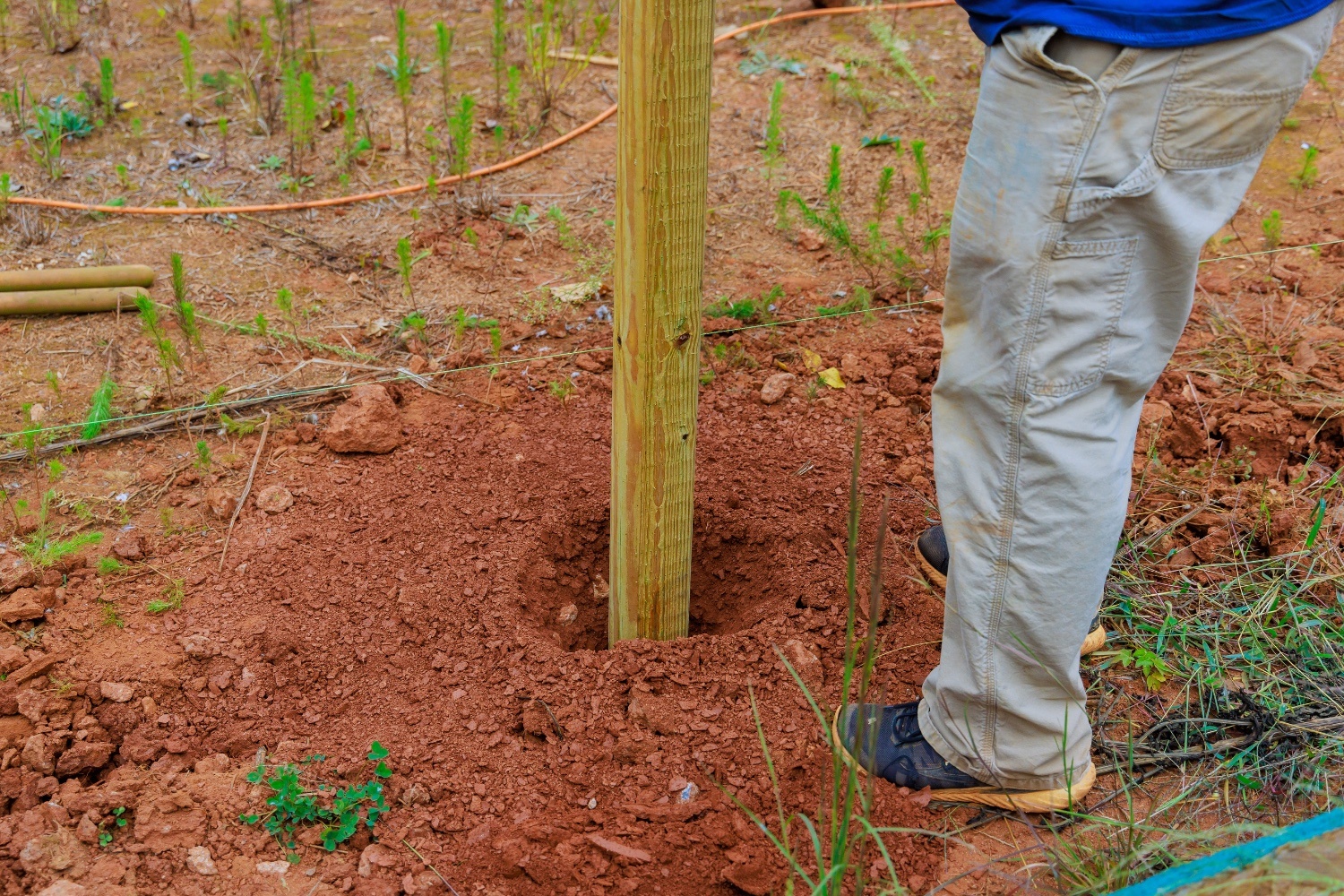
Post depth should reach the local frost line plus a safety margin. In Columbus, that means setting posts around 36 to 38 inches deep. Cincinnati's frost line sits around 30 inches and Cleveland's around 36 inches. Posts set too shallow are the most common reason fences shift or lean after a hard winter in Ohio.
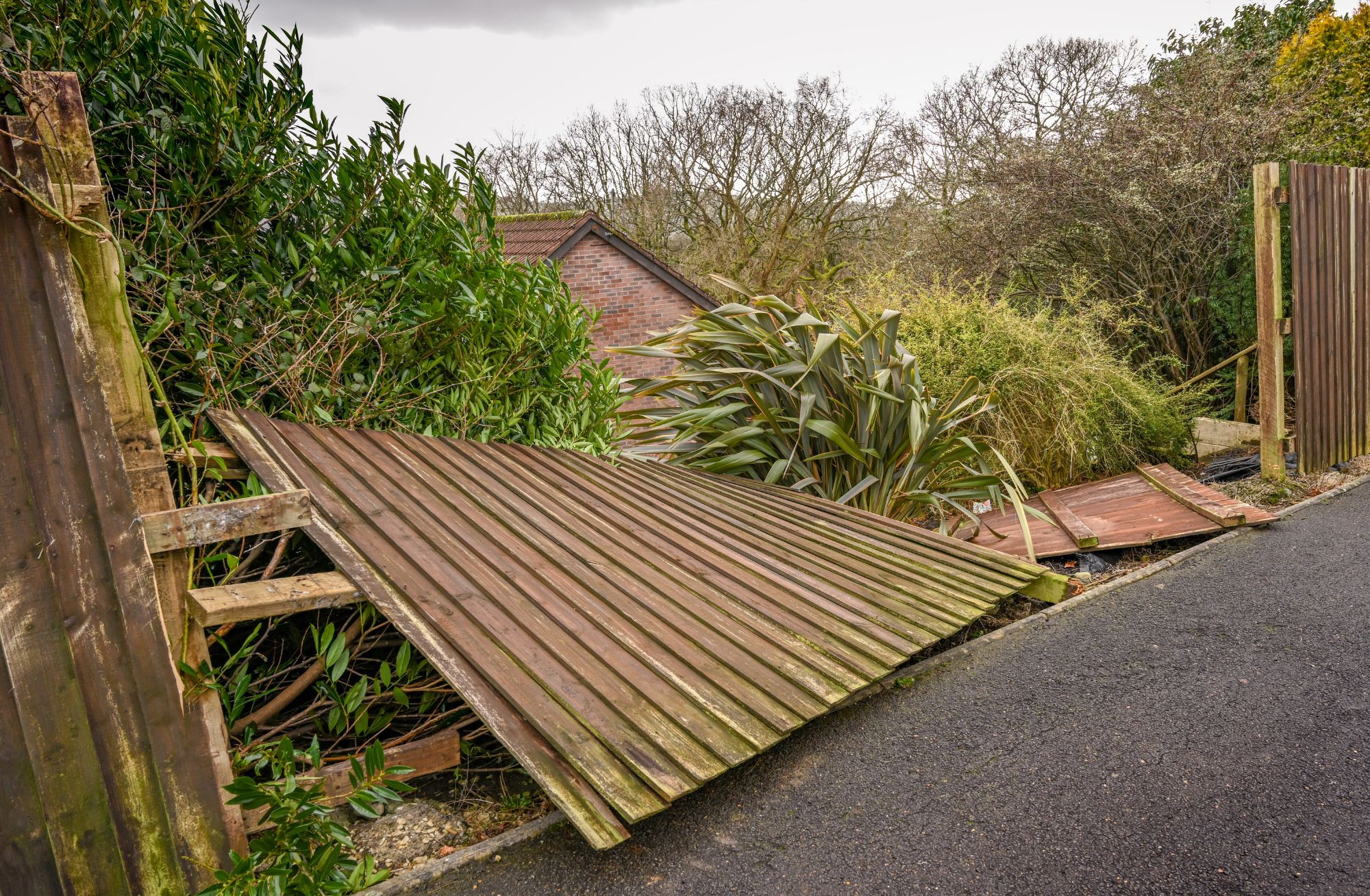
Freeze-thaw cycling puts repeated stress on fence posts by expanding and contracting the soil around them. Over time, this movement can push posts upward out of the ground, a process called frost heave. Bell-bottom post holes, proper concrete mix, and adequate post depth all reduce this risk significantly.
Spring and early fall are the best windows. For spring application, wait until temperatures hold consistently between 50 and 80 degrees Fahrenheit and the wood has dried out from winter. Oil-based stains tend to penetrate better than water-based alternatives in Ohio's humidity. Fall applications should be completed with at least two weeks of cure time before the first hard frost.
Yes, particularly for metal components near driveways or areas where salt is applied regularly. Road salt accelerates corrosion on standard galvanized hardware and can affect soil chemistry around post bases over time. Aluminum hardware and aluminum-coated steel hold up significantly better in salt-exposed areas than standard galvanized options.
The principle we come back to most often is this: match the material and installation method to what Ohio's climate actually demands, not what looks good in a showroom or costs the least upfront. A fence that's installed correctly for local conditions will consistently outperform one that isn't, regardless of what it's made of.
Post depth and drainage tend to be where corners get cut most often, and they're also where failures tend to originate. Getting those right at the start is more important than any material upgrade. From there, a consistent seasonal routine, checking in after winter, treating wood in the right window, keeping the base clear of debris and vegetation, does most of the work of keeping a fence in good shape for the long run.
If you're unsure how any of this applies to your specific property, that's exactly what an on-site consultation is for. Columbus lots vary enough in soil, grade, and sun exposure that a quick walkthrough tends to answer more questions than a general guide can.
Ohio's climate creates real demands on a fence, and the right response to those demands is specific. Post depth, material selection, drainage, and seasonal maintenance all look different here than they do in most of the country. Getting those details right from the start makes a meaningful difference in how a fence holds up over time.
At Fence Boys, we install fences specifically for Columbus and the surrounding area. We're familiar with the frost line requirements, the soil conditions, and the seasonal patterns that affect how a fence performs here. If you're planning a project and want to talk through your options with someone who knows the local conditions, we're happy to help.

.jpg)
.jpeg)
.jpg)









.jpeg)